






















How to Visit Kilve Channel Fossils Hunt
How to Visit Kilve Channel Fossils Hunt Kilve Channel, nestled along the rugged coastline of Somerset in Southwest England, is one of the most accessible and rewarding fossil-hunting sites in the United Kingdom. Known for its rich deposits of Jurassic-era marine fossils, this tidal stretch of beach offers amateur collectors, geology students, and professional paleontologists alike a rare opportuni

How to Visit Kilve Channel Fossils Hunt
Kilve Channel, nestled along the rugged coastline of Somerset in Southwest England, is one of the most accessible and rewarding fossil-hunting sites in the United Kingdom. Known for its rich deposits of Jurassic-era marine fossils, this tidal stretch of beach offers amateur collectors, geology students, and professional paleontologists alike a rare opportunity to uncover ancient remains preserved for over 180 million years. Unlike many fossil sites that require permits or guided tours, Kilve Channel welcomes the public to explore its cliffs and foreshore under responsible, ethical guidelines. This guide provides a comprehensive, step-by-step walkthrough for anyone planning to visit Kilve Channel for a fossil hunt from preparation and safety to identification and conservation. Whether youre a first-time visitor or a seasoned collector, this tutorial ensures you make the most of your experience while protecting this irreplaceable natural heritage.
Step-by-Step Guide
1. Research the Site and Its Geological Significance
Before setting foot on the beach, invest time in understanding the geology of Kilve Channel. The site lies within the Blue Lias Formation, a sequence of limestone and shale layers deposited during the Early Jurassic period (approximately 195183 million years ago). These layers were formed in a shallow, warm sea teeming with marine life. Fossils found here include ammonites, belemnites, ichthyosaur vertebrae, marine reptile bones, and occasionally plant fragments. Understanding the stratigraphy helps you identify where to look the lower limestone beds often yield ammonites, while the shale layers above may contain more delicate impressions.
Study geological maps from the British Geological Survey (BGS) or download the Geology of the Bristol and Somerset Coast guide from the Jurassic Coast Trust. Familiarize yourself with the terms foreshore, cliff fall, and slump zone these are key areas where fossils are most commonly exposed.
2. Plan Your Visit Around Tides
Timing is everything at Kilve Channel. The beach is only accessible during low tide, as high tide covers the fossil-rich foreshore and makes access dangerous. Consult a reliable tidal calendar for Watchet or Minehead (nearest towns), and aim to arrive at least one hour before low tide. This gives you ample time to explore before the water returns.
Use trusted sources like the UK Hydrographic Offices tidal predictor or the BBC Weather tidal app. Avoid visiting during spring tides if youre inexperienced these bring higher water levels and stronger currents. Always check the weather forecast; rain can trigger landslides on the cliffs, making the site hazardous.
3. Dress Appropriately for the Environment
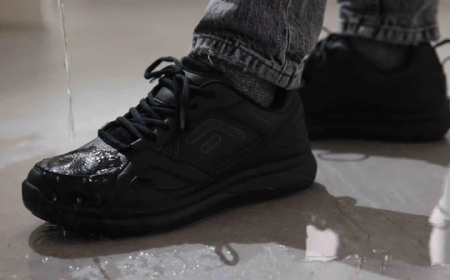
Kilve Channel is a coastal, rocky environment with uneven terrain and slippery surfaces. Wear sturdy, closed-toe footwear with excellent grip hiking boots or waterproof walking shoes are ideal. Avoid sandals, flip-flops, or sneakers without tread.
Dress in layers. Even on warm days, coastal winds can be chilly. A waterproof jacket is essential, as mist and spray are common. Long trousers protect against scrapes from sharp rock edges and stinging nettles that grow near the cliff tops. Bring a hat and sunscreen UV exposure is higher near reflective water and sand.
Carry a small backpack with essentials: water, snacks, a first-aid kit, and a phone in a waterproof case. Do not rely solely on mobile reception signal is patchy along the coast.
4. Access the Site Safely
Kilve Channel is accessed via a steep, narrow footpath from the village of Kilve, near the Kilve Court estate. The path is well-marked but can be muddy and overgrown. Use the designated public footpath do not attempt to climb the cliffs or cut across private land. The area is part of the West Somerset Coastal Path, and trespassing can lead to legal consequences.
Once at the beach, stay clear of the cliff face. Rockfalls occur without warning, especially after rain or during freeze-thaw cycles. Maintain a distance of at least 10 meters from the base of the cliffs. Observe warning signs posted by local authorities and heed any verbal warnings from other visitors or coastal wardens.
5. Search Strategically on the Foreshore
Fossils at Kilve Channel are not buried deep they are typically found loose on the beach surface or partially exposed in broken slabs of rock. Focus your search on three key areas:
- Shingle and pebble zones where wave action has broken apart limestone blocks and exposed internal fossils.
- Shale outcrops look for dark, flaky layers that may contain fossil impressions.
- Cliff fall debris recently fallen rock fragments often contain pristine specimens.
Use a small brush or soft toothbrush to gently remove sand and grit from potential fossils. Never use metal tools to pry rocks apart this can damage fragile specimens. Instead, use a geological hammer only to break larger, stable rocks that are already detached from the cliff. Always wear safety goggles when striking rock.
6. Identify Common Fossils
Learn to recognize the most common finds before you go:
- Ammonites spiral-shaped shells, often with ridged surfaces. Look for circular or coiled patterns in limestone. Species like Psiloceras and Phylloceras are frequent.
- Belemnites bullet-shaped internal skeletons of extinct squid-like creatures. These are often black or dark grey and found in shale.
- Ichthyosaur bones rare but possible. Look for dense, curved bone fragments, sometimes with a honeycomb texture.
- Crinoid stems segmented, cylindrical rods that resemble tiny beads threaded on a string.
- Plant impressions dark, leaf-like shapes in shale, often from ancient ferns.
Use a magnifying glass (10x is ideal) to examine surface textures. Many fossils are subtle what looks like a rock streak may be a fossilized suture line.
7. Collect Responsibly
Under the UKs Code of Conduct for Fossil Collecting, you are permitted to collect small, common fossils for personal use but not for commercial sale. Do not remove large specimens, complete skeletons, or anything that appears scientifically significant. If you find something unusual such as a vertebrate bone, a rare ammonite, or a complete belemnite leave it in place and take a photo. Report the find to the local museum or the Jurassic Coast World Heritage Site team.
Use a small container or zip-lock bags to store your finds. Label each specimen with the date and exact location (e.g., Kilve Channel, 10m east of the kiln ruins, 2024-06-15). This data is invaluable for scientific record-keeping.
8. Clean and Preserve Your Finds
After your hunt, gently rinse fossils with fresh water to remove salt and sand. Do not use soap or chemicals. Allow them to air-dry on a towel in a shaded, well-ventilated area. Avoid direct sunlight UV rays can degrade organic material in fossil impressions.
For fragile specimens, apply a thin layer of Paraloid B-72 (a museum-grade consolidant) using a fine brush. This stabilizes crumbling surfaces without altering appearance. For beginners, a simple solution is to store fossils in cotton wool inside a padded box to prevent breakage.
9. Document Your Experience
Take photos of your finds in situ before removing them. Note the rock layer, orientation, and surrounding geology. These details help experts assess the context of your discovery. Consider keeping a fossil journal record each find with sketches, measurements, and weather conditions.
Many collectors share their finds on platforms like iNaturalist or the UK Fossils Facebook group. Contributing to citizen science projects helps researchers track fossil distribution and environmental change over time.
10. Leave No Trace
Always leave the site as you found it. Do not dig holes, remove rocks from the cliff face, or disturb vegetation. Pick up any litter plastic and packaging are common pollutants on coastal paths. Respect wildlife: seals, seabirds, and rare invertebrates inhabit the area. Keep noise to a minimum and avoid using loud equipment.
Best Practices
1. Prioritize Safety Over Specimens
No fossil is worth risking your life. The cliffs at Kilve Channel are unstable and have claimed lives in the past. Never climb them. Do not collect under overhangs. If you hear cracking or see dust falling, move away immediately. Always have a companion with you solo fossil hunting is strongly discouraged.
2. Respect the Law and Ethical Guidelines
Under the UKs Countryside and Rights of Way Act 2000, you have the right to access coastal land for recreation but not to damage protected geological features. The Jurassic Coast is a UNESCO World Heritage Site, and its integrity is protected by law. Removing fossils for profit or removing large specimens is illegal and subject to fines.
Follow the take only photos, leave only footprints principle. If you find something rare or scientifically important, contact the Sedgwick Museum of Earth Sciences at Cambridge University or the Lyme Regis Museum. They may arrange for professional excavation.
3. Educate Yourself Continuously
Fossil identification improves with experience. Read books like Fossils of the Jurassic Coast by David Ward or The Complete Guide to Fossils of the UK by David B. Norman. Watch documentaries such as BBCs Jurassic Britain. Attend local geology talks the Minehead Geology Club and the West Somerset Geological Society host monthly meetings.
4. Use the Right Tools and Know When Not to Use Them
Essential tools include:
- Geological hammer (with safety goggles)
- Chisel (for splitting flat rock layers)
- Soft-bristled brush
- Magnifying glass (10x)
- Measuring tape or ruler
- Plastic containers or foam-lined boxes
Do not use power tools, explosives, or heavy machinery. Do not collect from active cliff faces. Do not dig trenches. These actions are destructive, illegal, and endanger others.
5. Teach Children Ethical Collecting
If bringing children, make fossil hunting a learning experience. Teach them to identify fossils before picking them up. Explain why some rocks are too important to remove. Encourage them to draw their finds instead of taking them. Many museums offer free fossil identification days bring your childrens discoveries for expert feedback.
6. Monitor Weather and Tides Daily
Conditions change rapidly. Check the Met Office forecast for wind, rain, and wave height. Avoid visiting during storms or gales. Even on sunny days, fog can roll in quickly, reducing visibility. Always carry a map and compass GPS can fail on coastal cliffs.
7. Report Significant Finds
If you discover a fossil that appears to be a new species, a complete skeleton, or a rare vertebrate, do not touch it. Take a photo with a scale (e.g., a coin or ruler) and note the GPS coordinates. Contact the UK Fossil Record Database via the Natural History Museums website. Your contribution may aid academic research.
Tools and Resources
Essential Equipment Checklist
Before heading to Kilve Channel, ensure you have the following:
- Sturdy, non-slip footwear
- Waterproof jacket and layered clothing
- Geological hammer (with safety goggles)
- Small chisel or rock pick
- Soft brush (toothbrush or paintbrush)
- 10x magnifying glass
- Plastic containers or padded boxes for storage
- Zip-lock bags and labels
- Water and high-energy snacks
- First-aid kit (including antiseptic wipes and bandages)
- Mobile phone with offline maps (download OS Maps app)
- Compass and paper map of the area
- Camera or smartphone for documentation
Recommended Books and Guides
- Fossils of the Jurassic Coast by David Ward detailed photos and identification keys.
- The Complete Guide to Fossils of the UK by David B. Norman comprehensive species catalog.
- Geology of the Bristol and Somerset Coast free downloadable PDF from the British Geological Survey.
- Fossil Hunting on the Jurassic Coast by Paul Barrett practical advice from a paleontologist.
Online Resources
- Jurassic Coast Trust jurassiccoast.org official site with safety alerts, maps, and event calendars.
- British Geological Survey bgs.ac.uk access geological maps and rock formation data.
- Natural History Museum Fossil Database nhm.ac.uk upload photos for expert identification.
- UK Fossil Record ukfossilrecord.org citizen science portal for reporting finds.
- iNaturalist inaturalist.org share photos and get community identification help.
Local Museums and Expert Contacts
For expert advice or to donate finds, contact:
- Lyme Regis Museum renowned for Jurassic fossils; offers free identification clinics.
- Sedgwick Museum of Earth Sciences, Cambridge accepts donations of scientifically significant specimens.
- West Somerset Heritage Centre local history and geology exhibits; staff can provide site-specific advice.
Real Examples
Example 1: The Ammonite Discovery by a Family Group
In April 2023, a family from Bristol visited Kilve Channel during a spring low tide. While examining a slab of limestone dislodged from a recent cliff fall, the father noticed a circular pattern. Using his magnifying glass, he identified a well-preserved Psiloceras planorbis ammonite a species common in the Blue Lias. The child, aged 9, carefully brushed away debris and documented the find with photos. The family reported the discovery to the Lyme Regis Museum, which confirmed its significance and invited them to a fossil identification day. The ammonite was left in place, but the family received a certificate of contribution to science.
Example 2: The Belemnite Find by a Student
A geology student from Cardiff University visited Kilve Channel as part of a field trip. She noticed a dark, bullet-shaped object embedded in shale. After gently extracting it with a chisel, she recognized it as a complete belemnite guard rare due to its size and preservation. She took detailed notes, photographed it with a scale, and sent the data to the BGS. The specimen was later included in a study on Jurassic cephalopod diversity. The student credited her success to prior research and patience in scanning shale layers slowly.
Example 3: The Illegal Removal and Consequences
In 2021, a visitor attempted to remove a large ichthyosaur vertebra from a cliff face using a crowbar. The action triggered a small rockslide, injuring another visitor. The individual was reported to authorities and fined 500 under the Wildlife and Countryside Act for damaging a protected geological feature. The vertebra was irreparably damaged. This case underscores the importance of ethical collecting and the dangers of improper tools.
Example 4: Citizen Science Contribution
A retired teacher from Taunton began fossil hunting at Kilve Channel in 2018. Over five years, she documented over 120 finds on iNaturalist, including several rare crinoid stems and plant fragments. Her data helped researchers map the distribution of Jurassic flora in the region. In 2023, her collection was featured in a regional museum exhibit titled Every Stone Tells a Story. Her story shows how consistent, ethical collecting can contribute meaningfully to science.
FAQs
Is it legal to collect fossils at Kilve Channel?
Yes, you may collect small, common fossils like ammonites and belemnites for personal use under the UKs Code of Conduct for Fossil Collecting. Commercial collection, removal of large or scientifically significant specimens, or damaging the cliff face is illegal. Always leave rare or complete fossils undisturbed.
What is the best time of year to hunt fossils at Kilve Channel?
Spring and early autumn offer the most favorable conditions. Tides are predictable, weather is generally mild, and erosion from winter storms often exposes new fossils. Avoid winter months due to dangerous cliff conditions and high winds. Summer can be crowded visit on weekdays for a quieter experience.
Can children go fossil hunting at Kilve Channel?
Yes, children are welcome, but must be supervised at all times. The terrain is uneven and cliffs are unstable. Bring a small kit with child-safe tools (plastic hammer, brush) and teach them to identify fossils before touching. Many local museums offer family fossil-hunting events.
Do I need a permit to collect fossils?
No permit is required for casual, non-commercial fossil collecting on the foreshore. However, you must follow the UK Fossil Collecting Code and avoid protected areas. Always check for temporary closures due to erosion or safety concerns.
What should I do if I find a rare or complete fossil?
Do not remove it. Take clear photos with a scale (e.g., a coin or ruler) and note the exact location using GPS. Contact the Natural History Museum or Lyme Regis Museum. They may arrange for a professional team to excavate it properly.
Are there guided fossil walks at Kilve Channel?
Yes, the Jurassic Coast Trust and local geology societies offer guided walks during spring and summer. These are free or low-cost and provide expert identification and safety training. Check their websites for schedules.
Can I use a metal detector at Kilve Channel?
No. Metal detectors are prohibited on the foreshore and cliff areas. They are not effective for fossil hunting and can damage the environment. Fossils are organic or mineralized remains not metallic.
How do I know if a rock is a fossil?
Fossils often have distinct shapes spirals, ribs, segments, or organic outlines unlike natural rock patterns. Use a magnifying glass to look for texture differences. Fossils may be slightly darker or lighter than the surrounding rock. If in doubt, leave it and consult an expert later.
Is Kilve Channel safe for solo visitors?
No. Solo fossil hunting is strongly discouraged due to the risk of rockfalls, sudden tides, and limited mobile signal. Always go with at least one other person and inform someone of your plans.
Where can I get my fossils identified?
Visit the Lyme Regis Museum, contact the Natural History Museums fossil identification service, or upload photos to iNaturalist. Local geology clubs also host monthly identification events.
Conclusion
Kilve Channel is more than a beach it is a window into Earths distant past. Each fossil you find is a fragment of a world that existed long before humans walked the planet. By following the steps outlined in this guide, you not only maximize your chances of discovery but also ensure that this extraordinary site remains accessible and protected for future generations.
Responsible fossil hunting requires patience, preparation, and respect. It is not about amassing a collection it is about understanding the story written in stone. Whether you uncover a common ammonite or witness a rare bone fragment, your presence contributes to the ongoing dialogue between science and nature.
As you leave Kilve Channel, take one final look at the cliffs weathered by time, shaped by the sea, and still giving up their secrets. Carry that wonder with you. And remember: the greatest fossil youll ever find is the knowledge you gain.