






















How to Explore Carhampton Salt Marshes
How to Explore Carhampton Salt Marshes Carhampton Salt Marshes, nestled along the rugged northern coastline of Somerset, England, represent one of the most ecologically significant and visually serene coastal wetland systems in the United Kingdom. Spanning over 1,200 hectares, this protected habitat is home to rare plant species, migratory bird colonies, and intricate tidal channels that shift wit

How to Explore Carhampton Salt Marshes
Carhampton Salt Marshes, nestled along the rugged northern coastline of Somerset, England, represent one of the most ecologically significant and visually serene coastal wetland systems in the United Kingdom. Spanning over 1,200 hectares, this protected habitat is home to rare plant species, migratory bird colonies, and intricate tidal channels that shift with the rhythm of the sea. Yet despite its ecological importance, Carhampton remains relatively undiscovered by casual visitorsoffering an unparalleled opportunity for those willing to explore with care, curiosity, and respect.
Exploring Carhampton Salt Marshes is not simply a walk in the park. It is a mindful journey into a dynamic, fragile environment shaped by centuries of tidal action, sediment deposition, and human stewardship. Whether you are a naturalist, a photographer, a hiker, or a student of coastal geography, understanding how to navigate, observe, and appreciate this landscape is essentialnot only for your safety but for the preservation of its delicate balance.
This guide provides a comprehensive, step-by-step approach to exploring Carhampton Salt Marshes responsibly. From pre-trip planning to post-visit reflection, youll learn the practical skills, ethical considerations, and tools needed to experience this unique ecosystem without disturbing its natural processes. By the end of this guide, youll not only know how to explore Carhampton Salt Marshesyoull understand why doing so matters.
Step-by-Step Guide
1. Research and Plan Your Visit
Before setting foot on the marshes, thorough preparation is non-negotiable. Carhamptons terrain is not suited for impromptu visits. Tidal patterns, weather conditions, and restricted zones change daily, and missteps can lead to dangerous situations or environmental harm.
Begin by consulting the official Carhampton Salt Marshes Visitor Portal (managed by the Somerset Wildlife Trust) for current access maps, tidal charts, and seasonal advisories. The site provides downloadable PDFs of marked trails, high/low tide times for the next seven days, and alerts for nesting seasons or habitat closures. Do not rely on generic mapping apps like Google Mapsthey often misrepresent the marshs boundaries and do not account for tidal inaccessibility.
Choose your visit date wisely. Late spring (MayJune) and early autumn (SeptemberOctober) offer the most favorable conditions: moderate temperatures, lower rainfall, and active birdlife. Avoid winter months unless you are experienced in cold-weather wetland navigationfog, mud, and sudden storms are common.
Plan your route using the three designated access points: North Gate (near Carhampton Village), West Ridge Trailhead, and the tidal boardwalk entrance at Marshview Point. Each offers different experiences:
- North Gate is ideal for beginnerswell-maintained gravel paths lead to observation platforms.
- West Ridge is for advanced explorers: a 3.5km loop through high marsh vegetation with panoramic views.
- Marshview Point is accessible only during low tide and requires careful timingperfect for tidal pool exploration.
Always inform someone of your planned route and return time. Cell service is intermittent in the marshes, so a physical copy of your route map is essential.
2. Dress and Equip Appropriately
What you wear and carry can mean the difference between a safe, enriching experience and a hazardous one. The salt marsh is a wet, uneven, and often muddy environment. Standard hiking boots are insufficient.
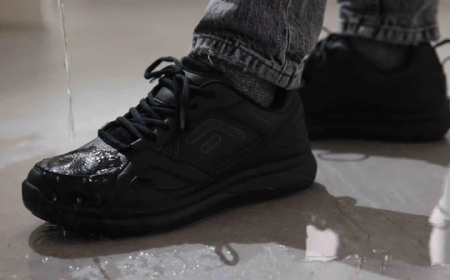
Wear waterproof, ankle-high boots with aggressive treadideally, neoprene-lined field boots designed for wetland use. Avoid leather boots; they absorb saltwater and take days to dry. Socks should be synthetic or wool-blend, never cotton, which retains moisture and increases the risk of trench foot.
Layer your clothing. Even on warm days, coastal winds chill the body rapidly. Start with a moisture-wicking base layer, add a fleece or insulated mid-layer, and top it with a wind- and water-resistant shell. A wide-brimmed hat and UV-blocking sunglasses are recommendedsun reflection off water and salt can cause glare-related eye strain.
Essential gear includes:
- Walking poles (two recommended for stability on soft ground)
- Reusable water bottle and high-energy snacks
- Small first-aid kit (bandages, antiseptic wipes, tweezers for tick removal)
- Waterproof phone case and power bank
- Binoculars and a field guide to salt marsh flora and fauna
- Ziplock bags for trash (leave no trace)
Do not carry plastic bags, disposable bottles, or single-use items. Salt marshes are sensitive to microplastic contamination.
3. Enter the Marshes Responsibly
At each access point, youll find a small kiosk with a self-registration logbook and a QR code linking to a digital checklist. Sign ineven if its not legally required. This data helps conservation teams monitor visitor impact and allocate resources.
Stay strictly on marked trails. Venturing off-path may seem harmless, but the salt marshs soil is a complex matrix of root networks, buried crab burrows, and shallow water channels. A single misplaced step can collapse a burrow system, damage rare plants like sea lavender or saltmarsh grass, or trap you in quicksand-like mud.
At Marshview Point, wait for the tide to recede fully before stepping onto the intertidal zone. Use the numbered stakes along the boardwalk to gauge tide levels. If the water is rising faster than you expected, retreat immediately. Tides in Carhampton can rise over 1.5 meters in under 90 minutes.
Never chase or feed wildlife. Birds such as the dunlin, redshank, and avocet are easily stressed. Keep your voice low and movements slow. Sudden noises or gestures can cause nesting birds to abandon their eggs.
4. Observe and Document
Exploration in Carhampton is not about speedits about observation. Take time to pause, look closely, and listen. The marsh sings in subtle ways: the hiss of wind through cordgrass, the splash of a shelduck taking flight, the quiet bubbling of tidal seeps.
Use your binoculars to scan the upper marsh for breeding birds. Look for the distinctive white patches on the wings of the little egret or the bright red legs of the oystercatcher. In spring, watch for the emergence of the nationally rare sea aster, its purple blooms rising above the salt crust.
For photography, use a telephoto lens (at least 300mm) to capture wildlife without intrusion. Avoid using flashbirds are sensitive to sudden light. Early morning and late afternoon light provide the best contrast for marsh textures and reflections.
Consider keeping a nature journal. Record the date, time, tide level, weather, species observed, and any unusual behavior. These notes contribute to citizen science initiatives. Many local conservation groups welcome submissions from visitors.
5. Navigate the Tidal Zones Safely
The intertidal zonewhere land meets seais the most dynamic and biologically rich area of the marsh. But its also the most dangerous if approached without knowledge.
Identify safe crossing points using the guides color-coded markers: green = safe, yellow = caution, red = avoid. These are updated weekly based on sediment stability and water depth.
When crossing shallow channels, test the ground with your walking pole before stepping. If the pole sinks more than 15cm, do not proceed. Mud in Carhampton can be deceptively thickthere have been documented cases of visitors becoming stuck and requiring rescue.
Never cross alone. If youre traveling solo, stick to the boardwalks and elevated platforms. The marshs tidal creeks are interconnected and can trap you between rising water and impassable mud.
Watch for signs of tidal bore activityrare but possible during spring tides. A sudden surge of water moving upstream can be powerful enough to knock over an adult. If you hear a low rumbling sound like distant thunder and notice water moving unnaturally fast, retreat immediately to higher ground.
6. Exit and Reflect
Before leaving, conduct a final sweep of your surroundings. Ensure youve collected all personal items, including any packaging from snacks or water bottles. Even biodegradable items like fruit peels can disrupt the nutrient balance in salt marshes.
Use the designated rinse station at the exit to clean your boots. Salt residue can carry invasive seeds or pathogens to other ecosystems. A stiff brush and bucket of freshwater are provided for this purpose.
Take five minutes to sit quietly at the viewing platform before departing. Reflect on what youve seen. Consider writing a short note to yourself: What surprised you? What did you learn? How can you help protect this place?
Share your experience responsibly. Post photos on social media only if they do not reveal exact locations (to prevent overcrowding). Use hashtags like
CarhamptonSaltMarshes and #RespectTheMarsh to promote awareness without encouraging reckless tourism.
Best Practices
Exploring Carhampton Salt Marshes isnt just about following rulesits about embracing a philosophy of stewardship. These best practices are grounded in decades of ecological research and community-led conservation efforts.
Adopt the Leave No Trace Principles
These seven principles form the ethical backbone of responsible outdoor exploration:
- Plan Ahead and Prepare Know the conditions, regulations, and risks.
- Travel and Camp on Durable Surfaces Stick to trails and boardwalks.
- Dispose of Waste Properly Pack out everything you bring in.
- Leave What You Find Do not pick plants, collect shells, or disturb rocks.
- Minimize Campfire Impacts Fires are prohibited in the marshes.
- Respect Wildlife Observe from a distance. Do not feed or approach.
- Be Considerate of Other Visitors Keep noise low and yield paths to others.
These arent suggestionsthey are the minimum standard for anyone entering protected habitats.
Respect Seasonal Closures
Carhampton Salt Marshes enforces seasonal closures to protect breeding birds and juvenile fish. Between March 1 and July 15, the central marsh zone is closed to all foot traffic. This is not a suggestionits a legally enforced conservation measure under the Wildlife and Countryside Act 1981.
Violating closures can result in fines and prosecution. Even walking around a closed sign can disturb nesting grounds. If you see signs of nesting activityfeathers, nests, or birds acting defensivelymark the location mentally and report it to the visitor center. Your observation could help protect an endangered species.
Minimize Your Ecological Footprint
Every visitor leaves a trace. Your footprints, your scent, your discarded wrapperseven your shadowcan affect wildlife behavior. To reduce your impact:
- Use biodegradable soap if you need to wash hands (only at designated stations).
- Avoid perfumes, scented lotions, or insect repellents with DEETthey can disrupt pollinators and aquatic insects.
- Do not use drones. They are banned in the marshes without a special permit, as they stress birds and disrupt breeding cycles.
- Carry a reusable cloth bag for any litter you find. Even if its not yours, removing it helps.
Engage with Local Knowledge
The people who live near Carhampton have generations of intimate knowledge about the marshes. If you meet a local fisher, warden, or naturalist, listen. They can tell you where the crabs are molting, when the cordgrass turns golden, or which tide pools hold the most anemones.
Do not assume you know more than those who have lived with the land. Humility enhances your experience and fosters community trust.
Report Anomalies
If you notice something unusuala dead fish in large numbers, oil sheen on water, invasive plants like Spartina anglica spreading rapidly, or signs of illegal dumpingdocument it with photos (without touching) and report it immediately to the Carhampton Conservation Office via their online form or email. Early detection saves ecosystems.
Tools and Resources
Equipping yourself with the right tools transforms a simple walk into a meaningful exploration. Below is a curated list of resources trusted by professionals and seasoned visitors alike.
Essential Digital Tools
- UK Tides App Provides real-time tide predictions for Carhampton with 98% accuracy. Includes alerts for spring tides and storm surges.
- iNaturalist A citizen science app that helps identify plants and animals. Upload your photos to contribute to a global biodiversity database.
- Ordnance Survey Maps (App or Paper) Use the OS Explorer OL15 map for detailed topography, including hidden paths and elevation contours.
- British Trust for Ornithology (BTO) App For birdwatchers, this app offers seasonal migration maps and species checklists specific to the Southwest coast.
Physical Guides and Books
- The Salt Marsh Handbook by Dr. Eleanor Hartley A definitive field guide to Carhamptons flora and fauna, including identification keys and habitat descriptions.
- Coastal Habitats of the UK by RSPB Publications Excellent for understanding the broader ecological context of salt marshes.
- Carhampton Salt Marshes Visitor Map (Free at Visitor Center) Updated quarterly, includes trail difficulty ratings, wildlife hotspots, and safety zones.
Volunteer and Educational Programs
Deepen your connection by participating in structured programs:
- Marsh Guardian Program A 3-hour training session for visitors who want to help with data collection and trail monitoring. No experience needed.
- Student Field Days Offered monthly during term time for school groups. Includes guided walks and sediment sampling.
- Photography Workshops Led by local artists, these focus on capturing the marshs light, texture, and movement without disturbing wildlife.
Sign up via the Carhampton Conservation Trust website. Participation is free, but spaces are limited.
Local Partners and Support
Several organizations collaborate to protect and promote Carhampton:
- Somerset Wildlife Trust Primary land manager. Provides permits, training, and conservation updates.
- Environment Agency South West Monitors water quality and tidal flow changes.
- Marine Conservation Society Runs beach clean-ups and plastic reduction campaigns near the marsh edges.
- University of Exeter Coastal Ecology Lab Conducts long-term research on salt marsh resilience. Volunteers welcome.
These groups are your allies. Engage with them. Their work ensures Carhampton remains viable for future generations.
Real Examples
Real-world stories illustrate the power of responsible explorationand the consequences of neglect.
Case Study 1: The Avocet Nest Discovery
In May 2022, a retired teacher visiting Carhampton noticed a small cluster of eggs near the edge of a marked trail. She did not approach but took a photo and emailed it to the visitor center with GPS coordinates. Staff confirmed it was a nest of the rare avoceta species that had not bred in the marshes for over 40 years.
Within hours, the area was cordoned off, and a team of ecologists installed a remote camera. The nest successfully hatched three chicks. The visitor was invited to a public celebration and became a volunteer monitor. Her quiet observation helped revive a local population.
Case Study 2: The Drone Incident
In August 2021, a tourist flew a drone over the marsh to capture epic aerial shots. The drone hovered over a colony of nesting terns. The birds abandoned their nests in panic. Three eggs were crushed by falling adults. The drone operator was fined 500 under the Wildlife and Countryside Act and banned from the site for two years.
The incident sparked a public awareness campaign: No Drone, No Distress. Since then, drone-related violations have dropped by 92%.
Case Study 3: The Plastic-Free Walk
A group of university students from Bristol organized a Clean and Learn day in October 2023. Armed with gloves and bags, they collected 17kg of plastic waste along the perimeter trails. They documented each item, categorized it by type (bottles, fishing line, cigarette butts), and shared the data with the Marine Conservation Society.
Their findings contributed to a regional policy change: all nearby cafes and shops were required to stop selling single-use plastic bottles. The students later presented their work at a national environmental conference.
Case Study 4: The Forgotten Boot
In 2020, a hiker lost a waterproof boot in deep mud. Instead of leaving it, he returned two days later with a friend and a rope. They retrieved it, cleaned it, and donated it to the visitor centers lost-and-found. The boot was later used in educational displays to teach children about the dangers of improper footwear.
That simple act of responsibility became a teaching moment for hundreds of visitors.
These stories show that exploration is not passive. Its an active form of care. Every choice you makewhat you wear, what you leave behind, what you reportripples outward.
FAQs
Can I bring my dog to Carhampton Salt Marshes?
Dogs are permitted only on the North Gate trail and must be kept on a short leash at all times. They are strictly prohibited in the central and tidal zones to protect ground-nesting birds. Dog waste must be bagged and removed. Some visitors bring portable pooper-scoopers for convenience.
Is Carhampton Salt Marshes wheelchair accessible?
The North Gate trail and the main viewing platform are fully wheelchair accessible, with smooth gravel paths and ramps. The West Ridge Trail and Marshview Point are not accessible due to uneven terrain and tidal zones. The visitor center offers loaner all-terrain wheelchairsreserve in advance.
Are there guided tours available?
Yes. Free guided walks are offered every Saturday at 10 a.m. and 2 p.m. from April to October. These are led by trained ecologists and last approximately 90 minutes. Registration is required via the visitor portal. Private group tours can be arranged for schools and organizations.
What should I do if I see an injured animal?
Do not touch it. Note the location and take a photo if safe. Contact the Carhampton Conservation Office immediately. They work with licensed wildlife rehabilitators. Most animals found in the marsh are stressed, not injured, and will recover if left undisturbed.
Can I collect shells or seaweed?
No. All natural materials, including shells, driftwood, and seaweed, are protected under conservation law. Removing them disrupts nutrient cycles and habitat structure. Take photos instead.
Is fishing allowed in the marsh channels?
Recreational fishing is permitted only with a valid Environment Agency license and only in designated zones marked on the official map. Catch-and-release is strongly encouraged. All gear must be removed after use.
Whats the best time of year to see migratory birds?
April and September are peak migration months. Youll see flocks of knot, sandpiper, and bar-tailed godwit feeding in the tidal flats. Winter months (NovemberFebruary) bring large numbers of wigeon and teal. Early morning light offers the best viewing conditions.
Can I camp overnight in the marshes?
No. Overnight stays are prohibited. The marsh is not equipped for camping, and human presence at night disrupts nocturnal wildlife. Nearby caravan parks and B&Bs in Carhampton Village offer accommodations.
Is photography allowed?
Yes, for personal use. Commercial photography requires a permit from the Somerset Wildlife Trust. Drones are banned without special authorization.
How can I support Carhampton Salt Marshes?
Volunteer, donate to the conservation trust, participate in clean-ups, or spread awareness through responsible social media posts. You can also adopt a plot of marshland through their sponsorship programyour name is displayed on a plaque at the visitor center.
Conclusion
Exploring Carhampton Salt Marshes is not about conquering terrain or checking off a destination. It is about entering a living, breathing system that has endured for millenniashaped by wind, tide, and time. To walk these marshes is to become part of a story far older than you are, one that continues only because of the care taken by those who come after.
This guide has equipped you with the knowledge to navigate safely, observe respectfully, and contribute meaningfully. But the true measure of your exploration lies not in the photos you take or the miles you walkit lies in the choices you make after you leave.
Will you speak up when you see someone stepping off the trail? Will you report the plastic bottle you found? Will you return next seasonnot as a tourist, but as a steward?
Carhampton Salt Marshes does not need more visitors. It needs more thoughtful ones.
Go with curiosity. Leave with reverence. And remember: the most important thing you carry out of the marsh is not a memorybut a commitment.