























How to Experience Blue Anchor Carnival Parade
How to Experience Blue Anchor Carnival Parade The Blue Anchor Carnival Parade is more than just a festive procession—it is a living tapestry of culture, community, and color that transforms a quiet coastal town into a vibrant stage of music, dance, and heritage. Held annually in the historic seaside village of Blue Anchor, Somerset, this event draws tens of thousands of visitors from across the UK

How to Experience Blue Anchor Carnival Parade
The Blue Anchor Carnival Parade is more than just a festive processionit is a living tapestry of culture, community, and color that transforms a quiet coastal town into a vibrant stage of music, dance, and heritage. Held annually in the historic seaside village of Blue Anchor, Somerset, this event draws tens of thousands of visitors from across the UK and beyond. Unlike commercialized city parades, the Blue Anchor Carnival Parade retains its grassroots soul, with local artisans, school groups, maritime clubs, and retired sailors crafting every float, costume, and performance by hand. To experience it fully is to step into a tradition that has endured for over 120 years, shaped by generations of residents who treat the parade not as entertainment, but as a sacred ritual of belonging.
Yet, for first-time visitors, the parades charm can be overwhelming. Without proper preparation, its easy to miss the subtle detailsthe hand-painted sails on a float representing the villages fishing legacy, the haunting melody of a foghorn played by a local brass band, or the whispered stories elders share as they hand out homemade shortbread to children. This guide is designed to help you move beyond spectatorship and into deep, meaningful participation. Whether youre a solo traveler seeking authentic local experiences, a family looking to create lasting memories, or a cultural enthusiast documenting regional traditions, this tutorial will show you how to experience the Blue Anchor Carnival Parade not just as an event, but as a living, breathing celebration of identity.
Step-by-Step Guide
1. Plan Your Visit Well in Advance
The Blue Anchor Carnival Parade does not operate on a typical tourist calendar. While the date is publicly listedusually the second Saturday in Augustit sells out quickly. Accommodations within a 10-mile radius fill up months ahead, and parking permits for residents and pre-registered visitors are distributed on a first-come, first-served basis through the Blue Anchor Community Trust website. Do not assume you can drive in and find a spot on the day.
Start by visiting the official event portal at blueanchorcarnival.org.uk. Here, youll find the full schedule, including the parade route map, exact start time (11:00 AM sharp), and designated viewing zones. Register for a free Carnival Companion Pass to receive updates, printable maps, and exclusive access to the post-parade community picnic. This pass also grants you early entry to the viewing platforms near the Old Lifeboat Stationa prime spot to witness the parades grand finale.
2. Understand the Parades Structure and Symbolism
The Blue Anchor Carnival Parade is not a random sequence of floats and dancers. It follows a strict, centuries-old narrative arc rooted in maritime history and seasonal rites. The parade begins with the Call of the Tidea lone bagpiper playing from the cliffs above the harbor, signaling the start. This is followed by the Fishing Fleet, a procession of hand-built boats on wheels, each representing a different vessel that once sailed from Blue Anchors port. The floats are adorned with nets, buoys, and lanterns made from recycled materials, honoring the villages sustainable traditions.
Next comes the Children of the Tides, a procession of local schoolchildren dressed as sea creaturescrabs, jellyfish, and gullseach carrying hand-painted signs with phrases like Respect the Waves or Save Our Shells. This segment is not for spectacle; its an educational act passed down through schools since the 1930s. Afterward, the Mariners Choir sings sea shanties a cappella, their voices echoing off the cliffs. The parade culminates with the Spirit of Blue Anchora towering, illuminated figure of a 19th-century lighthouse keeper, carried by volunteers in traditional oilskin coats. This figure is not a mascot; it is a tribute to the villagers who lost their lives at sea.
Understanding this structure allows you to move beyond passive observation. Youll notice how the music slows during the Mariners Choir, how the crowd falls silent when the Spirit is carried past the memorial stone. These moments are intentional. They are not performancesthey are remembrances.
3. Arrive Early and Claim Your Spot Wisely
Do not wait until 10:00 AM to arrive if the parade starts at 11:00 AM. The main route along Marine Parade and the Old Quay is lined with stone walls and narrow sidewalks. The best viewing positions are taken by 8:00 AM. Locals often arrive the night before with folding chairs, blankets, and thermoses of tea, turning the street into a communal living room.
If youre visiting with children or have mobility concerns, prioritize the designated accessible viewing zones near the Pavilion Gardens. These areas are marked with blue flags and have raised platforms, restrooms, and shaded seating. Do not assume general admission means you can stand anywheremany spots are reserved for residents, and enforcement is strict.
Bring a small, lightweight stool or cushion. The concrete sidewalks are unforgiving, and the parade lasts over two hours. Sitting is not optionalits essential for comfort and safety.
4. Dress Appropriately for the Weather and Terrain
Blue Anchors coastal climate is notoriously unpredictable. Even in August, sea breezes can drop temperatures by 10C within minutes. Layering is non-negotiable. Wear a waterproof outer shell over a thermal base layer, even if the forecast looks clear. The parade route is lined with salt spray from the nearby harbor, and mist often rolls in off the Bristol Channel.
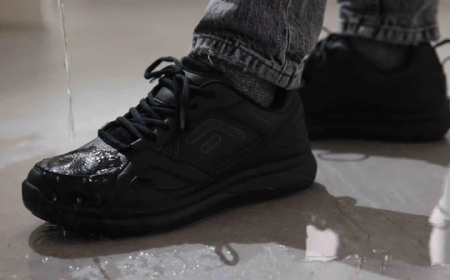
Footwear is critical. The parade route includes cobblestone sections, uneven boardwalks, and patches of wet grass near the dunes. Sturdy, closed-toe shoes with grip are mandatory. Flip-flops, heels, or new sneakers will leave you stranded or injured. Many locals wear wellington bootseven in summerbecause the ground is damp, and puddles form quickly after morning fog.
Wear a hat and sunglasses. The sun reflects off the sea and the white chalk cliffs, creating intense glare. A wide-brimmed hat is ideal. Avoid bright neon colors; they distract from the parades muted, natural palette of navy, cream, and rust redthe colors of the sea, sand, and fishing nets.
5. Engage with the Community, Dont Just Watch
The greatest mistake visitors make is treating the parade like a show. This is not a theme park ride. It is a shared cultural moment. To experience it authentically, you must participate.
Before the parade begins, join the Wreath-Laying Circle at the War Memorial. Locals gather at 10:30 AM to place small wooden boats made from driftwood into the water. Visitors are invited to join. No prior knowledge is neededjust bring a small, hand-carved boat if you have one, or accept one offered by a volunteer. This ritual honors those lost at sea and is the emotional core of the day.
During the parade, do not take photos with your phone held high. Instead, use a compact camera or simply watch. Many of the performers are children or elderly residents who have spent months preparing. They are not seeking viral famethey are sharing a piece of their family history. If you want to photograph someone, ask politely. Most will smile and nod. A simple Thank you for sharing this with us goes further than any lens.
After the parade ends, head to the Tide Tables Tent near the harbor. Volunteers sit at wooden tables, offering free tea and homemade shortbread. They will tell you the story behind every float, every costume, every song. Ask questions. Who made this? Why is the crab wearing a hat? What happened to the old lighthouse keeper? These conversations are the heartbeat of the event.
6. Learn the Local Customs and Etiquette
There are unwritten rules that govern behavior during the parade. Violating them is not just rudeit disrupts the rhythm of the tradition.
- Do not use drones. They are strictly prohibited. The parades sound design relies on natural acousticswind, waves, voicesand drones interfere with the emotional tone.
- Do not bring large bags or coolers. There are no trash bins along the route. All waste must be carried out. The community prides itself on zero litter.
- Do not interrupt the silence during the Mariners Choir. No talking, no phone rings, no baby cries. If your child is restless, step away quietly. There are designated quiet zones near the pier.
- Do not touch the floats. Even if they look inviting, they are fragile. Many are made from papier-mch, wood, and fabric that has been hand-sewn for weeks.
- Do not assume everyone speaks English. Blue Anchor has a small but active Portuguese fishing community whose ancestors arrived in the 1890s. They often sing in their native tongue. Listen respectfully.
7. Extend Your Experience Beyond the Parade
The parade is only the centerpiece. The full experience spans three days: Fridays Carnival Market, Saturdays parade, and Sundays Echoes of the Sea concert.
On Friday evening, visit the Old Fish Market, now transformed into a craft fair. Here, youll find handmade rope baskets, sea glass jewelry, and wooden carvings of whales. The vendors are all locals. Ask them about their familys connection to the sea. Many have been making these items for 50 years.
On Sunday, attend the Echoes of the Sea concert at the Cliffside Chapel. Its a quiet, candlelit performance of sea shanties and folk ballads, performed by the same musicians who participated in the parade. No tickets are soldattendance is by invitation only. But if youve shown respect during the parade, volunteers will often extend a personal invitation. Be humble. Be present. Do not expect special treatment.
Stay overnight. The village is magical after dark. The harbor lights reflect off the water like stars. Walk the cliffs with a flashlight. Listen to the tide. Youll understand why this place endures.
Best Practices
Respect the Pace
The Blue Anchor Carnival Parade moves slowly. Floats are pulled by hand. Musicians pause to let the echo of their songs fade. Children stop to wave to their grandparents. This is not a flawit is the point. Rushing through the experience defeats its purpose. Slow down. Breathe. Let the rhythm of the sea dictate your pace.
Bring a Journal
Bring a small notebook and pen. Write down what you see, hear, and feel. Not just the visualsthe sounds: the creak of a wooden float, the murmur of a shanty, the laughter of a child holding a crab-shaped balloon. These sensory details become memories you can return to long after the confetti is gone.
Support Local Artisans
Do not buy mass-produced souvenirs. Instead, purchase directly from the makers. A hand-carved wooden boat from the Old Fish Market costs 15, but it carries the story of three generations. A jar of local honey from the village bakery, labeled From the Hive by the Cliff, costs 6 but supports a widow who has kept bees since 1972. Your purchase sustains the tradition.
Practice Silent Gratitude
At the end of the parade, many locals place a single white flower on the Spirit of Blue Anchors float. You are welcome to do the same. Do not take a photo. Do not announce it. Just place the flower and walk away. This act is sacred. It is not performativeit is personal.
Leave No Trace
Blue Anchors environment is fragile. The cliffs are eroding. The tide pools are home to rare sea anemones. Do not step off designated paths. Do not pick wildflowers. Do not leave wrappers, even if theyre biodegradable. The community cleans up after the paradebut they shouldnt have to clean up after visitors.
Learn the Language of the Sea
Learn a few local phrases:
- Yowll be all right, luv. A common reassurance. It means Youll be fine.
- The tides got a memory. A poetic way of saying the sea remembers everything.
- No storm lasts forever. A phrase carved into the lighthouse wall.
Using these phrases, even if imperfectly, shows respect. Locals will respond with warmth.
Be an Ambassador, Not a Tourist
When you return home, speak about Blue Anchor with reverence. Share stories, not selfies. Talk about the elderly woman who cried while singing the shanty. Talk about the boy who carried the lantern for his grandfather. This is not a destination to check off a listit is a living memory. Protect it by honoring it.
Tools and Resources
Official Resources
- Blue Anchor Carnival Official Website blueanchorcarnival.org.uk Contains the full schedule, route map, volunteer sign-up, and historical archive.
- Carnival Companion Pass Free digital pass with printable maps, audio guides, and exclusive access to the post-parade picnic.
- Blue Anchor Heritage Society Offers guided pre-parade walks through the villages maritime history. Book via email at heritage@blueanchor.org.uk.
Mobile Applications
- Sea Echoes Audio Guide A free app available on iOS and Android. It plays ambient sounds and historical narrations as you walk the parade route. Works offline.
- Coastal Watch Provides real-time tide, wind, and weather alerts for Blue Anchor. Essential for planning your day.
Books and Media
- The Salt and the Song: A Century of Blue Anchor Carnival by Eliza Trew A beautifully illustrated history of the parade, with photographs from 1902 to the present.
- Voices of the Tide A documentary film (2023) featuring interviews with parade participants across generations. Available on BBC iPlayer and YouTube.
- Fishing Nets and Folklore A field guide to the symbols on each float. Available at the village library and the Old Fish Market.
Local Partnerships
Several local businesses offer curated experiences:
- The Mariners Rest Offers a Carnival Package including a room with harbor views, a guided pre-parade tour, and breakfast with a local historian.
- Cliffside Bakery Sells Parade Biscuitsshortbread shaped like anchors and waves. Best eaten with tea while watching the parade.
- Blue Anchor Art Collective Hosts evening workshops on making your own driftwood boat. Perfect for families.
Accessibility Resources
For visitors with mobility needs:
- Wheelchair-accessible viewing platforms are marked with blue flags and available on a first-come basis.
- Quiet zones with sensory-friendly lighting and reduced sound are located near the Pavilion Gardens.
- Volunteer Carnival Guides are available to assist with navigation. Request one when registering for your Companion Pass.
Real Examples
Example 1: The Johnson Family Three Generations, One Float
For 72 years, the Johnson family has built the Fishing Fleet float. Great-grandfather Thomas, a fisherman who survived the 1952 storm, carved the first hull from oak. His daughter, Margaret, painted the sails with seaweed dyes. Now, her grandson Leo, 12, adds the final touchestiny brass bells that chime when the wind blows. Leo says, Its not a toy. Its a story. When asked why he does it, he replies, Because if I dont, no one will remember.
Example 2: Maria, a Portuguese Immigrant, and the Shanty
Marias grandfather arrived in Blue Anchor in 1895 from the Azores. He worked on the fishing boats and taught his children the shanty Adeus, Mar Alta. For decades, it was sung only in Portuguese. In 2010, Maria convinced the parade committee to include it in the official program. Now, every child in the village learns it in both languages. Its not about being Portuguese or English, Maria says. Its about being from the sea.
Example 3: The Silent Visitor
In 2022, a woman from London arrived alone. She did not speak to anyone. She sat quietly during the parade, tears streaming down her face. Afterward, she placed a single white rose on the Spirit of Blue Anchor. A volunteer asked if she was related to someone lost at sea. She nodded. My father was a sailor, she whispered. He never came home. Ive waited 40 years to feel him here. She returned the next yearand brought her daughter.
Example 4: The Photographer Who Learned to Listen
A travel blogger came to Blue Anchor expecting viral content. He took 200 photos. He posted them. No one cared. He returned the next year with a notebook. He sat with the musicians. He asked questions. He wrote about the silence between the songs. His article, The Sound of Memory, went viralnot for its images, but for its humility. He now volunteers with the Heritage Society every year.
FAQs
Is the Blue Anchor Carnival Parade suitable for children?
Yes, but with preparation. The parade is long (over two hours) and involves periods of silence. Bring snacks, a small blanket, and a quiet toy. Children under 5 may find it overwhelming. The Children of the Tides segment is designed for themits colorful, interactive, and full of laughter.
Can I bring my dog?
No. The parade includes loud music, crowds, and unfamiliar smells. Animals are not permitted on the route. Service animals are allowed with prior registration.
Are there food vendors during the parade?
There are no commercial food trucks. The community provides free tea, shortbread, and water at designated stations. This is intentionalit keeps the focus on tradition, not consumption.
What if it rains?
The parade goes on, rain or shine. Locals say, The sea doesnt cancel, and neither do we. Bring waterproof gear. Umbrellas are discouragedthey block views. Ponchos are recommended.
Do I need to speak English?
No. Many participants speak Portuguese, Cornish, or simply communicate through gesture and song. A smile and a nod are universal.
Can I join the parade as a performer?
Yesbut only if you have a direct connection to the village. Residents, descendants of residents, or those who have volunteered with the Heritage Society for at least one year may apply. Applications open in January. Visit the official website.
Is photography allowed?
Yes, but respectfully. No flash. No drones. No blocking the view of others. Avoid posing performers. Capture the moment, not the spectacle.
How do I get to Blue Anchor?
By train: Take the South Western Railway to Minehead, then a 15-minute taxi ride. By car: Use the A39. Parking is limiteduse the free shuttle from the West Somerset Railway Station. Buses run from Taunton and Bridgwater.
Is the event accessible for people with disabilities?
Yes. Accessible viewing platforms, restrooms, and quiet zones are provided. Volunteer guides are available. Contact the Heritage Society at least two weeks in advance to arrange assistance.
Why is the parade so quiet compared to other carnivals?
Because its not about noise. Its about memory. The silence between songs is where the heart of the event lives. The sea doesnt shout. It whispers. And so does Blue Anchor.
Conclusion
To experience the Blue Anchor Carnival Parade is to witness a tradition that refuses to be commodified. It is not a spectacle designed for Instagram. It is not a performance for tourists. It is a quiet, enduring act of remembrancea community gathering to honor its past, celebrate its present, and pass its soul to the next generation. The floats are hand-painted. The songs are learned by heart. The stories are told in whispers.
When you come to Blue Anchor, do not come to see. Come to listen. Come to feel. Come to remember what it means to belong to a place, to a people, to a rhythm older than memory.
Bring your quietest self. Leave your expectations behind. And when you stand on the cliff as the Spirit of Blue Anchor passes, and the wind carries the last note of the shanty into the seayou will understand why this parade has lasted for 120 years. Not because its loud. But because its true.