






















Top 10 Ways to Build Trust with Customers
Introduction In today’s hyper-competitive marketplace, products and services are easier to replicate than trust. Customers are bombarded with choices, bombarded with claims, and bombarded with ads. What sets one brand apart from another isn’t always the price, the features, or even the design—it’s the quiet, consistent, and authentic trust that grows between a business and its customers. Trust is

Introduction
In todays hyper-competitive marketplace, products and services are easier to replicate than trust. Customers are bombarded with choices, bombarded with claims, and bombarded with ads. What sets one brand apart from another isnt always the price, the features, or even the designits the quiet, consistent, and authentic trust that grows between a business and its customers. Trust is the invisible currency of commerce. It reduces friction, increases retention, and turns casual buyers into lifelong advocates. Yet, trust isnt built overnight. Its not a slogan on a billboard or a flashy video campaign. Its earned through hundreds of small, deliberate actionseach one reinforcing reliability, integrity, and care.
This article explores the top 10 proven ways to build trust with customers you can trust. These arent theoretical ideas or buzzword-driven tactics. Theyre time-tested, research-backed strategies used by the most respected brands in the worldfrom small local businesses to global enterprises. Whether youre running an e-commerce store, a service-based firm, or a SaaS platform, these methods will help you cultivate deeper, more meaningful relationships with your audience. By the end of this guide, youll have a clear, actionable roadmap to transform customer skepticism into unwavering loyalty.
Why Trust Matters
Trust is the foundation of every lasting customer relationship. Without it, even the most innovative product will struggle to gain traction. Studies from Harvard Business Review and Edelmans Trust Barometer consistently show that customers are 35 times more likely to purchase from brands they trust. Theyre also more forgiving of mistakes, more willing to pay premium prices, and more likely to recommend the brand to others.
Consider this: in a world where 81% of consumers say they need to trust a brand before making a purchase (Edelman, 2023), trust isnt a nice-to-haveits a non-negotiable. When customers trust you, they stop comparing prices and start comparing experiences. They stop reading reviews and start sharing stories. They stop being transactional and start being relational.
Trust also reduces operational costs. Customers who trust a brand require less support, make fewer returns, and engage more deeply with content. They become co-creators of your brand story. On the flip side, a single breach of trustwhether its a misleading claim, a delayed response, or a data privacy lapsecan undo years of goodwill. One negative review can reach thousands. One broken promise can echo across social media.
Building trust isnt about manipulating perception. Its about aligning actions with values. Its about showing up, day after day, with honesty, competence, and humanity. The brands that win arent the loudesttheyre the most reliable. And reliability is built through systems, not slogans.
Top 10 Ways to Build Trust with Customers You Can Trust
1. Prioritize Transparency in Communication
Transparency isnt just about being openits about being intentionally clear. Customers today are skeptical of marketing fluff. Theyve seen too many miracle products, too many guaranteed results, and too many vague terms like best-in-class or industry-leading. To cut through the noise, be specific. Explain how your product works. Share the sourcing of materials. Clarify pricing structures. Admit when something isnt perfect.
For example, a skincare brand that lists every ingredient, explains why each one is included, and discloses potential sensitivities builds far more trust than one that simply says all-natural. A software company that publishes its uptime statistics, outlines its data encryption methods, and openly shares its roadmap doesnt just informit reassures.
Transparency also means acknowledging mistakes. If a shipment is delayed, say so. If a feature is temporarily unavailable, explain why and when it will return. Customers dont expect perfectionthey expect honesty. And honesty, consistently delivered, becomes the bedrock of credibility.
2. Deliver Consistent Quality Every Time
Consistency is the silent hero of trust. One great experience can create excitement. A hundred great experiences create loyalty. Customers dont remember the one time you exceeded expectationsthey remember the 50 times you met them, reliably and predictably.
Whether youre delivering a product, providing a service, or publishing content, consistency signals competence. It tells customers, You can count on us. This applies to everything: packaging quality, response times, tone of voice, user interface, and even the timing of email newsletters.
Think of your brand as a promise. Every interaction is a chance to fulfill that promise. If your coffee shop serves a perfect latte on Monday but a watery one on Friday, trust erodes. If your app crashes every third time you update, users will abandon youeven if your features are brilliant.
Build systems that standardize quality. Train your team relentlessly. Audit your processes quarterly. Measure customer satisfaction not just after a sale, but after every touchpoint. When customers know what to expectand its always goodthey stop second-guessing. And thats when trust takes root.
3. Showcase Real Customer Stories and Testimonials
People dont trust advertisements. They trust other people. Thats why authentic customer stories are one of the most powerful trust-building tools available. A testimonial from a real personcomplete with their name, photo, location, and specific resultscarries far more weight than any corporate claim.
Video testimonials are especially effective. Seeing someone speak honestly about their experience creates emotional resonance. Written stories work too, especially when they include details: I was skeptical at first, but after three weeks of using this, my back pain improved by 70%. Specificity breeds believability.
Dont just feature your happiest customers. Include stories from people who had doubts, challenges, or even negative experiences that were resolved. These narratives are gold. They show that you dont just collect praiseyou listen, adapt, and care.
Encourage customers to share their stories on social media and feature them prominently on your website. Create a Real People, Real Results section. Let your customers become your most credible salespeople. The more real the story, the more trust it builds.
4. Honor Your Commitments Relentlessly
Every promise you makewhether spoken, written, or impliedis a thread in the fabric of trust. Break one thread, and the whole thing begins to unravel. Honor every commitment, no matter how small.
If you say youll respond within 24 hours, respond within 24 hours. If you promise a free guide after sign-up, send it immediately. If you state a delivery window, meet itor notify the customer in advance with a clear explanation.
Small oversights accumulate. A delayed reply here, a missing email there, a forgotten discount codeit all adds up. Customers notice. They dont always say anything, but they remember. And when theyre deciding between you and a competitor, memory becomes decision.
Create internal checklists for every customer-facing promise. Automate reminders. Assign accountability. Celebrate teams that consistently deliver on commitments. When your organization operates on the principle of say what youll do, then do it, trust becomes automatic. Not because youre trying to impressbut because youre simply reliable.
5. Protect Customer Data with Uncompromising Security
In an age of data breaches and identity theft, protecting customer information isnt just a legal obligationits a moral one. Trust is shattered the moment a customer feels their personal data is at risk. One security lapse can cost you not just sales, but reputation.
Implement industry-standard encryption, conduct regular security audits, and use multi-factor authentication for internal systems. Clearly communicate your data practices in plain language. Dont bury your privacy policy in fine print. Make it readable, accessible, and honest.
Even better: go beyond compliance. If you collect minimal data, say so. If you dont sell customer information, state it boldly. If youve never had a breach, mention it with humilitynot arrogance. Customers are more likely to trust a brand that acknowledges risk and shows how its mitigated than one that pretends it doesnt exist.
Consider earning third-party security certifications (like SOC 2 or ISO 27001) and display those badges visibly. These arent just symbolstheyre signals of integrity. When customers know their data is safe, theyre far more willing to engage, share, and return.
6. Be Human in Every Interaction
People connect with people, not logos. Even in digital spaces, the tone of your communication, the empathy in your responses, and the humanity in your content make all the difference. Avoid robotic, templated replies. Dont hide behind chatbots when a real person could help.
Use names. Acknowledge emotions. Say I understand when a customer is frustrated. Apologize sincerely when something goes wrong. Share behind-the-scenes glimpses of your team. Celebrate milestones togetherlike a customers anniversary with your brand or your teams 10-year milestone.
Humanity means showing vulnerability. It means admitting when you dont know something and promising to find out. It means letting your brands personality shinewhether thats witty, warm, serious, or quirky. The key is authenticity. Customers can sense when youre performing versus when youre being real.
Train your team to prioritize empathy over efficiency. A 30-second human response that validates feelings is worth more than a 5-second automated reply that solves the problem but leaves the person feeling unseen. Trust grows in the spaces between transactionswhen you show up as a person, not a process.
7. Provide Value Before Asking for Anything
The most trusted brands dont lead with the sale. They lead with value. Before asking for an email, a purchase, or a review, give something meaningful first. This principleknown as reciprocityis one of the most powerful in behavioral psychology.
Offer free, high-quality resources: a downloadable guide, a video tutorial, a diagnostic tool, a curated list of tips. Help customers solve a problem they didnt even know they had. When you give generously without expectation, you signal that your intent is to serve, not to sell.
For example, a financial advisor who shares a free budgeting template before pitching a service builds trust faster than one who immediately offers a consultation. A fitness coach who posts daily 5-minute workout videos on social media earns loyalty long before asking for a subscription.
Value-first marketing doesnt mean giving away your core product. It means demonstrating your expertise, your care, and your understanding of your audiences needs. When customers feel youve already helped them, theyre far more inclined to trust you with their business.
8. Encourage and Act on FeedbackPublicly
Asking for feedback is only the first step. Acting on itand showing that you didis what builds trust. Customers want to know their voice matters. They want to see that their suggestions lead to real change.
Create simple, accessible channels for feedback: surveys, comment sections, direct messages. But dont just collect itrespond to it. Thank people for their input. Share updates: Based on your feedback, weve improved the checkout flow. Highlight changes made because of customer suggestions.
Even negative feedback is valuable. Responding thoughtfully to a critical review shows other customers youre attentive and accountable. Dont delete negative comments. Address them with grace. Thank you for sharing this. Were sorry this happened. Heres what were doing to fix it.
When customers see that their feedback leads to tangible improvements, they feel like partnersnot just consumers. That sense of co-creation is one of the strongest forms of trust. It transforms passive users into active advocates.
9. Build Long-Term Relationships, Not One-Time Transactions
Trust is a relationship, not a transaction. The most successful brands dont treat customers as numbersthey treat them as people with ongoing needs, evolving preferences, and personal journeys.
Use CRM tools to remember past purchases, preferences, and interactions. Send personalized check-ins: Hope youre enjoying the blender you bought last spring! or We noticed you havent reordered your refillwould you like us to send another?
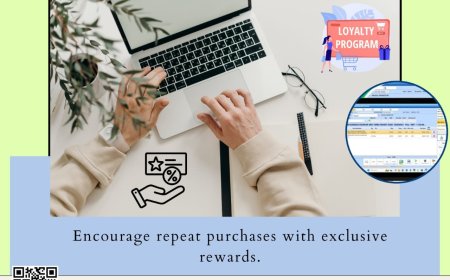
Offer loyalty programs that reward engagement, not just spending. Create exclusive content for returning customers. Celebrate anniversaries. Send handwritten thank-you notes for high-value or long-term clients.
When customers feel seen over time, they stop viewing you as a vendor. They see you as a trusted advisor, a reliable partner, even a friend. This emotional connection is what turns customers into lifelong supporters. Its also what makes them defend you when others criticize you.
Focus on retention as much as acquisition. It costs 525 times more to acquire a new customer than to retain an existing one. But beyond cost, retention is the ultimate indicator of trust. If people keep coming back, they trust you.
10. Lead with Integrity, Even When Its Hard
Integrity is doing the right thing when no one is watching. Its choosing honesty over convenience, ethics over profit, and principle over pressure. And in business, integrity is the ultimate trust multiplier.
When you have to choose between meeting a deadline and delivering a subpar product, choose quality. When a customer misunderstands your policy, clarify iteven if it means losing a sale. When a competitor cuts corners to save costs, dont follow. Stand by your values.
Integrity builds reputation. And reputation is the most powerful marketing tool you have. Customers remember when you chose the harder path. They talk about it. They recommend you because of it.
Define your core values clearlyand live by them. Make them visible on your website, in your hiring practices, in your vendor selection. When a customer sees that your values arent just words on a page but actions in practice, they know they can trust youeven in uncertain times.
Integrity doesnt always make headlines. But when it does, it lasts. And in the long run, integrity is what keeps customers loyal when everything else changes.
Comparison Table
| Strategy | Time to Impact | Effort Required | Scalability | Trust Impact |
|---|---|---|---|---|
| Transparency in Communication | Immediate | Medium | High | Very High |
| Consistent Quality | Long-term | High | High | Very High |
| Real Customer Stories | Medium | Medium | High | Very High |
| Honor Commitments | Immediate | High | Medium | Very High |
| Protect Customer Data | Medium | High | High | Very High |
| Be Human in Interactions | Medium | High | Medium | High |
| Provide Value First | Medium | Medium | High | High |
| Act on Feedback Publicly | Medium | High | Medium | High |
| Build Long-Term Relationships | Long-term | High | Low to Medium | Very High |
| Lead with Integrity | Long-term | High | High | Extreme |
FAQs
How long does it take to build customer trust?
Building customer trust is a long-term process that typically takes months to years, depending on consistency and frequency of positive interactions. While one exceptional experience can create a positive impression, true trust is cemented through repeated reliability, transparency, and integrity over time.
Can trust be rebuilt after its broken?
Yes, trust can be rebuiltbut it requires sincere acknowledgment of the mistake, consistent corrective action, and time. Apologizing without excuses, making tangible changes, and demonstrating long-term commitment to improvement are essential. Rebuilding trust is harder than building it initially, but its possible with authenticity and patience.
Is trust more important than price or features?
In most cases, yes. Customers will often pay more and tolerate minor feature gaps if they trust a brand. Trust reduces perceived risk and increases perceived value. A trusted brand becomes the default choiceeven when competitors offer lower prices or more features.
Whats the biggest mistake businesses make when trying to build trust?
The biggest mistake is treating trust as a marketing tactic rather than a cultural value. Trying to fake trust with polished ads, fake testimonials, or robotic customer service backfires. Trust is earned through actions, not appearances. Businesses that prioritize profit over principle rarely sustain long-term trust.
How do I measure customer trust?
Trust can be measured through Net Promoter Score (NPS), repeat purchase rates, customer lifetime value, review sentiment analysis, and survey questions like How much do you trust this brand to do whats right? Consistent improvement in these metrics over time signals growing trust.
Do small businesses build trust differently than large ones?
The principles are the same, but small businesses often have an advantage: personalization. They can build trust through direct relationships, handwritten notes, and local presence. Large businesses must scale trust through systems, consistency, and transparency. Both can succeedjust with different methods.
Can social media help build trust?
Absolutelywhen used authentically. Regular, honest engagement, responding to comments and concerns, sharing behind-the-scenes content, and admitting mistakes publicly all build trust on social platforms. But using social media only for promotion without interaction erodes trust.
Does trust affect customer referrals?
Yes. Customers who trust a brand are 510 times more likely to refer others. Referrals are the most credible form of marketing because they come from real people, not paid ads. Trust turns customers into your most effective advocates.
Conclusion
Trust isnt something you can buy, hack, or shortcut. Its not a campaign. Its not a logo. Its not a slogan. Trust is the quiet accumulation of integrity, consistency, and humanitydelivered day after day, interaction after interaction. The top 10 ways outlined here arent tricks. Theyre timeless principles that have guided the most respected brands for decades.
When you prioritize transparency over spin, quality over speed, empathy over efficiency, and integrity over profit, you dont just build customer trustyou build a legacy. Customers will forget your latest promotion. Theyll forget your discount code. But theyll never forget how you made them feel.
Start small. Pick one strategy from this list and implement it deeply this week. Then add another. Over time, these actions compound. The result? A brand that doesnt just sellit inspires. A brand that doesnt just serveit earns. A brand that customers dont just usethey believe in.
In a world full of noise, the most powerful thing you can do is be trustworthy. And when you are, you wont just attract customers. Youll attract loyalists. Advocates. Partners. And thats how great brands are made.