






















How to Visit Ironbridge Gorge Museums
How to Visit Ironbridge Gorge Museums Ironbridge Gorge Museums stand as one of the most significant cultural and industrial heritage sites in the United Kingdom, and indeed, the world. Recognized as a UNESCO World Heritage Site since 1986, the Gorge is widely regarded as the birthplace of the Industrial Revolution. Nestled in Shropshire, England, this compact yet profoundly rich landscape is home

How to Visit Ironbridge Gorge Museums
Ironbridge Gorge Museums stand as one of the most significant cultural and industrial heritage sites in the United Kingdom, and indeed, the world. Recognized as a UNESCO World Heritage Site since 1986, the Gorge is widely regarded as the birthplace of the Industrial Revolution. Nestled in Shropshire, England, this compact yet profoundly rich landscape is home to ten distinct museums, each offering a unique window into the innovations, lives, and labor that transformed the modern world. From the iconic Iron Bridge itself the worlds first cast iron bridge to reconstructed 18th-century homes, coal mines, and foundries, the museums collectively tell the story of how human ingenuity harnessed steam, iron, and coal to reshape industry, transportation, and society.
Visiting Ironbridge Gorge Museums is more than a day trip it is an immersive journey through the roots of modern engineering, manufacturing, and urbanization. Whether you are a history enthusiast, a student of industrial design, a family seeking educational adventure, or a traveler drawn to authentic heritage experiences, the Gorge delivers unparalleled depth and authenticity. Yet, despite its global significance, many visitors approach the site without adequate preparation, missing key exhibits, misjudging travel logistics, or overlooking seasonal offerings that enhance the experience.
This guide is designed to ensure your visit is seamless, enriching, and deeply rewarding. We will walk you through every practical step from planning your route and selecting tickets to navigating the site, understanding exhibit context, and maximizing your time. Well also explore best practices for respectful engagement with heritage spaces, recommend essential tools and digital resources, illustrate real visitor experiences, and answer the most common questions. By the end of this guide, you will possess all the knowledge needed to visit Ironbridge Gorge Museums with confidence, curiosity, and clarity.
Step-by-Step Guide
1. Research and Plan Your Visit in Advance
Before setting foot on the grounds, invest time in understanding the scope of what youll encounter. The Ironbridge Gorge Museums are not a single attraction but a network of ten independently operated yet thematically linked museums spread across a 3.5-mile stretch of the River Severn. These include the Iron Bridge and Tollhouse, Blists Hill Victorian Town, the Coalbrookdale Museum of Iron, the Museum of the Gorge, Jackfield Tile Museum, the Coalport China Museum, the Enginuity interactive science center, the Darby Houses, the Tar Tunnel, and the Shropshire Hills Discovery Centre.
Start by visiting the official website of the Ironbridge Gorge Museums Trust. Here, you can view current opening hours, seasonal variations, special events, and temporary exhibitions. Note that some museums operate on reduced schedules during winter months or close entirely on certain weekdays. For example, the Tar Tunnel is only accessible on guided tours, and Enginuity may have limited access during school holidays due to educational bookings.
Create a prioritized list of museums based on your interests. Families with children may focus on Blists Hill and Enginuity, while history purists may prioritize the Coalbrookdale Museum of Iron and the Darby Houses. If time is limited, consider selecting three to four core sites to explore thoroughly rather than rushing through all ten.
2. Choose Your Ticket Type
Ironbridge offers several ticketing options designed to accommodate different visit lengths and interests. The most common are:
- One-Day Pass Grants access to all ten museums on the same day. Ideal for visitors planning a full-day itinerary.
- Annual Pass Valid for 12 months from the date of purchase. Excellent for local residents or repeat visitors.
- Individual Museum Tickets Available for those who wish to visit only one or two sites, such as the Coalport China Museum or the Jackfield Tile Museum.
- Family Tickets Typically cover two adults and up to three children under 18. Always verify age definitions and inclusion rules.
Booking online in advance is strongly recommended. Not only does it guarantee entry during peak periods, but it often includes a small discount. Online tickets are sent via email as a QR code, which can be scanned at entry points. Avoid waiting in ticket queues at the gate, especially on weekends and school holidays.
3. Plan Your Transportation
Ironbridge Gorge is located approximately 12 miles northwest of Telford and 20 miles east of Shrewsbury. While public transport options exist, they are limited and infrequent. The most reliable method of access is by private vehicle.
If driving:
- Use GPS coordinates: 52.647 N, 2.498 W for the main visitor center near the Iron Bridge.
- Look for brown heritage signage along A4163 and A458 roads.
- There are multiple paid parking areas: the main car park near the Iron Bridge (with over 400 spaces), a smaller lot near Blists Hill, and limited street parking in the village of Ironbridge.
- Wheelchair-accessible parking is available at all major sites.
If using public transport:
- Take a train to Telford Central or Shrewsbury, then connect via bus routes 418 or 419 operated by Arriva. Schedules are sparse check timetables in advance.
- Taxis are available in Telford and Shrewsbury but should be pre-booked for return trips.
Consider arriving early parking fills quickly between 10 a.m. and 2 p.m. on weekends. Arriving by 9:30 a.m. ensures prime parking and minimal crowds.
4. Start at the Iron Bridge and Tollhouse
Begin your visit at the Iron Bridge the sites most iconic landmark. Completed in 1779, it was the first bridge in the world to be made entirely of cast iron, a revolutionary feat of engineering at the time. The Tollhouse adjacent to the bridge houses an introductory exhibition on the bridges construction, the role of Abraham Darby III, and the broader industrial context.
Take time to walk across the bridge. The views of the River Severn and the surrounding gorge are breathtaking, especially in autumn or early spring. Dont miss the interpretive panels along the walkway that explain the bridges structural innovations, including the use of mortise-and-tenon joints and the challenges of casting such a large iron structure.
Use the Tollhouse as your orientation point. Pick up a free printed map of the museums and walking routes. The map shows distances, accessibility notes, and estimated walking times between sites.
5. Explore Blists Hill Victorian Town
Located just a 10-minute walk from the Iron Bridge, Blists Hill is the largest and most immersive museum in the complex. It is a recreated 19th-century town, complete with working shops, a bank, a school, a pub, a printery, and even a functioning brickworks and iron foundry.
What sets Blists Hill apart is its living history approach. Costumed interpreters demonstrate traditional crafts: blacksmithing, pottery, candle-making, and printing. You can buy sweets from a Victorian sweet shop, send a postcard from the post office, or even ride a steam-powered fairground organ.
Pro tip: Visit the bakery between 11 a.m. and 12 p.m. to watch bread being baked in a wood-fired oven the scent alone is unforgettable. Also, dont miss the mine tour, which descends into a recreated coal shaft with authentic tools and sound effects.
6. Visit the Coalbrookdale Museum of Iron
Just a short walk from Blists Hill, this museum is housed in the original foundry buildings where Abraham Darby I first succeeded in smelting iron with coke in 1709 a breakthrough that made large-scale iron production economically viable.
Exhibits include original blast furnaces, pattern-making tools, and scale models of early steam engines. A highlight is the display of the worlds first cast iron cooking pots and kettles, many of which were exported globally. Interactive touchscreens provide detailed timelines and biographies of key inventors and industrialists.
Look for the Iron in the Making demonstration, which runs twice daily. Watch as molten iron is poured into sand molds a visceral reminder of the heat, danger, and skill involved in early metallurgy.
7. Discover the Coalport China Museum
Located in the historic Coalport porcelain factory buildings, this museum traces the evolution of ceramic manufacturing in the Gorge. Founded in 1795, Coalport became one of Englands most prestigious porcelain producers, rivaling Worcester and Derby.
Exhibits include delicate teapots, dinner services, and ornamental vases, many decorated with hand-painted scenes of the Gorge itself. Learn about the transfer-printing technique, which allowed mass production of intricate designs, and how Chinese porcelain inspired British ceramicists.
Dont miss the Painting Room where visitors can try their hand at porcelain decoration under the guidance of a master artist (additional fee applies).
8. Explore the Jackfield Tile Museum
Adjacent to the Coalport China Museum, the Jackfield Tile Museum showcases the rise of encaustic and decorative tiles in the 19th century. These tiles adorned churches, public buildings, and Victorian homes across Britain and its empire.
See original tile-making machinery, including roller presses and kilns. The museums collection includes over 2,000 tile designs from floral motifs to geometric patterns many of which were exported to India, Australia, and North America.
Check the schedule for tile-printing demonstrations, where artisans use wooden blocks to create patterns on wet clay.
9. Visit the Museum of the Gorge
This small but powerful museum, located in a former warehouse near the Iron Bridge, provides a panoramic overview of the entire Gorges industrial development. Interactive maps, video installations, and scale models illustrate how transportation networks canals, railways, and roads evolved to support industry.
Pay particular attention to the River Severn Navigation exhibit, which explains how the river was tamed and channeled to carry raw materials. The museum also features a 360-degree immersive film that takes you on a virtual journey through the Gorge in 1780.
10. Explore the Darby Houses and Tar Tunnel
The Darby Houses Abraham Darby Is home and his sons residence offer insight into the domestic lives of industrial pioneers. Furnished with period pieces, they reveal how wealth from industry translated into comfortable, even luxurious, living.
The Tar Tunnel is a lesser-known but fascinating site. This natural seepage of bitumen from underground rock formations was once mined for its use in waterproofing. A guided walk through the tunnel (booked in advance) reveals the eerie, sticky residue clinging to the walls a tangible remnant of the regions geological past.
11. End at Enginuity
Located near the main car park, Enginuity is an interactive science center focused on engineering principles behind the Gorges innovations. Designed for all ages, it features hands-on exhibits: build a bridge with foam blocks, experiment with steam power, or test gear ratios on mechanical models.
Its an ideal place to bring children or to reinforce learning after visiting the historical museums. Staff-led workshops are offered daily and often tie into school curricula on forces, materials, and energy.
12. Plan Your Exit and Reflection
Before leaving, take a moment to visit the gift shop near the main entrance. Proceeds support museum conservation and educational programs. Consider purchasing a book on the Industrial Revolution or a replica of a historic tool.
Many visitors overlook the opportunity to reflect on their experience. Consider writing down one thing you learned, one object that surprised you, and one question youd like to explore further. This practice deepens retention and transforms a sightseeing trip into a meaningful educational experience.
Best Practices
Respect the Heritage
The museums of Ironbridge Gorge are not theme parks they are preserved historic sites with fragile artifacts and original structures. Always follow posted guidelines: no touching exhibits unless marked hands-on, no flash photography in sensitive areas, and no food or drink inside exhibition halls. Children should be supervised closely, especially near open furnaces, staircases, and water features.
Wear Appropriate Footwear
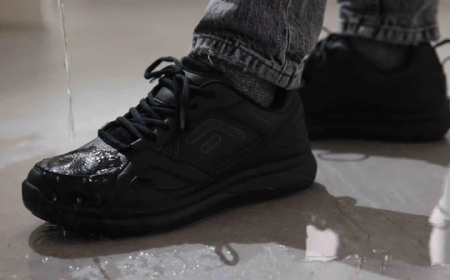
Many areas are cobbled, uneven, or involve steps and slopes. Blists Hills streets are made of original 19th-century brick, and the Tar Tunnel is damp and narrow. Wear sturdy, closed-toe shoes with good grip. High heels or sandals are not recommended.
Bring Layers and Rain Gear
The Gorge is an open-air landscape. Even on sunny days, wind can blow down the valley from the River Severn. Temperatures can drop significantly in the early morning or late afternoon. Pack a light waterproof jacket and a sweater. Umbrellas are impractical on narrow pathways and in crowded exhibits.
Use Audio Guides or Download the App
While many museums offer free printed guides, the official Ironbridge app provides multimedia content, including oral histories, 3D reconstructions, and augmented reality features. For example, point your phone at the Iron Bridge and see how it looked during construction in 1778. The app is available for iOS and Android and works offline once downloaded.
Take Breaks and Hydrate
Walking between museums can total 46 miles over the course of a day. Plan rest stops at the caf at Blists Hill, the tea room near the Museum of the Gorge, or the picnic areas by the river. Bring a reusable water bottle refill stations are available at several sites.
Engage with Interpreters and Staff
Costumed staff and volunteer guides are trained to answer questions and share stories not found in exhibits. Ask about daily routines, working conditions, or how certain tools were used. Their insights add emotional depth and human context to the technological achievements on display.
Consider Accessibility Needs
Most museums are wheelchair accessible, with ramps and elevators installed. However, some areas like the Tar Tunnel and parts of the Coalbrookdale Museum have limited access due to original architecture. Contact the visitor center in advance if you have mobility concerns. They can provide a tailored route and recommend quieter times to visit.
Support Local and Sustainable Tourism
Choose souvenirs made locally many items in the gift shops are produced by Shropshire artisans. Avoid single-use plastics. Bring your own bag for purchases. Many cafes use compostable packaging and source ingredients from regional farms.
Visit Off-Peak for a Deeper Experience
Weekdays outside school holidays, particularly Tuesday and Wednesday in spring and autumn, offer the most tranquil experience. Crowds are minimal, staff have more time to engage, and you can linger longer at exhibits without pressure.
Photography Etiquette
Photography is permitted throughout most areas for personal use. However, tripods and drones require prior permission. Avoid blocking pathways or exhibits while taking photos. Be respectful of other visitors dont use flash near delicate textiles or paintings.
Learn Before You Go
Even 20 minutes of background reading enhances your visit. Watch the 10-minute documentary The Birth of Industry on the museums website. Read about Abraham Darby, James Watt, or the development of the steam engine. Understanding the context transforms objects into stories.
Tools and Resources
Official Ironbridge Gorge Museums Website
The primary resource for accurate, up-to-date information. Includes interactive maps, ticket booking, event calendars, and downloadable PDF guides. Visit www.ironbridge.org.uk.
Ironbridge Museums App
Available on iOS and Android. Features include: audio tours for each museum, AR reconstructions, real-time wait times, and a digital scavenger hunt for children. Download before arrival it works offline.
Google Maps and Street View
Use Google Maps to preview walking routes between museums. Street View allows you to virtually walk the cobbled streets of Blists Hill or stand on the Iron Bridge before you arrive. This helps with orientation and planning.
Historic England and UNESCO World Heritage Site Pages
For deeper historical context, consult the official UNESCO listing for Ironbridge Gorge. Historic England provides conservation reports and architectural analyses of the buildings and structures.
YouTube Channels
Search for Ironbridge Gorge documentary or Coalbrookdale Foundry reconstruction. Channels like BBC History and The Industrial Revolution Channel offer short, high-quality videos that complement your visit.
Local Libraries and Archives
The Shropshire Archives in Shrewsbury hold original documents, maps, and photographs from the 18th and 19th centuries. Many are digitized and accessible online. Request access to digitized ledgers from the Darby family or mining records from the 1750s.
Books for Pre-Visit Reading
- The Iron Bridge: Symbol of the Industrial Revolution by John H. L. Smith A definitive history of the bridges construction and impact.
- The Making of the Industrial World by David Landes Broader context on how Britains industrial rise shaped global economies.
- Blists Hill: A Victorian Town Reborn by Margaret Hargreaves A detailed account of the museums creation and restoration.
- Coalport China: The Art of Porcelain by Elizabeth B. Jones Focuses on design evolution and craftsmanship.
Podcasts
Listen to The Industrial Revolution Podcast by the University of Birmingham. Episodes 712 focus specifically on Shropshire and the Darby family. Great for listening during your drive to the site.
Educational Resources for Teachers and Parents
The museums education portal offers free downloadable lesson plans aligned with UK National Curriculum standards. Topics include Materials in the Industrial Age, Engineering Design Challenges, and Life in a Victorian Town. Ideal for homeschooling families or school groups.
Real Examples
Example 1: A Family Visit The Smiths of Manchester
The Smiths parents Sarah and Mark, and their two children, ages 9 and 12 visited Ironbridge on a Saturday in May. They booked a family pass online and arrived at 9:15 a.m. After parking, they started at the Iron Bridge, where the children were fascinated by the tollhouse exhibit showing how travelers paid to cross in 1780.
At Blists Hill, they spent two hours exploring the bakery, watching the blacksmith, and buying toffee apples. The 12-year-old participated in a Design Your Own Tile workshop. The 9-year-old loved the steam train ride. They skipped the Coalport China Museum due to time, opting instead for Enginuity, where the children built a working pulley system.
They ended with a picnic by the river and used the app to scan QR codes at each site, unlocking bonus videos. It wasnt just a museum trip, Sarah wrote in a review. It felt like stepping into a living storybook.
Example 2: A Solo Academic Visitor Dr. Elena Torres
Dr. Torres, a historian of technology from Madrid, spent three days at Ironbridge conducting research. She focused on the Coalbrookdale Museum of Iron and the Darby Houses, accessing archival materials through the museums research center. She interviewed a retired foundry worker who had worked at the site in the 1960s and recorded oral histories for her thesis.
She avoided crowds by visiting on weekdays and used the apps audio guide to take detailed notes. The authenticity of the tools, the smell of coal dust in the furnace room, the weight of the original iron ladles these are things you cant replicate in a textbook, she said.
Example 3: A Group of International Tourists The Tokyo Engineering Club
A group of 15 Japanese engineering students visited Ironbridge as part of a study tour. They were particularly interested in the precision of 18th-century metal casting and the lack of modern measuring tools. Each student documented their observations in a journal.
They met with a museum engineer who demonstrated how a 1750s waterwheel powered a bellows system. We thought Japan was advanced, one student admitted. But this this was the beginning of everything.
Example 4: A Retired Couple The Millers
John and Margaret Miller, both 72, visited Ironbridge for the first time after reading a feature in The Guardian. They took their time, spending an hour at the Museum of the Gorge watching the immersive film. They were moved by the stories of child laborers in the foundries.
They skipped Enginuity and focused on quiet reflection at the Darby Houses. We saw the same china teacups my grandmother used, Margaret said. It connected us to a past we never knew.
FAQs
Do I need to book tickets in advance?
Booking in advance is not mandatory, but it is strongly recommended, especially during school holidays, weekends, and summer months. Online booking guarantees entry and often includes a discount. Walk-up tickets may be unavailable on busy days.
How long should I plan to spend at Ironbridge Gorge Museums?
A full day (68 hours) is ideal to visit 45 key museums thoroughly. If youre short on time, 4 hours allows you to see the Iron Bridge, Blists Hill, and the Coalbrookdale Museum of Iron. Avoid trying to see all ten in one day its overwhelming and reduces depth of experience.
Are the museums suitable for young children?
Yes. Blists Hill and Enginuity are especially child-friendly, with hands-on activities, costumed characters, and play areas. However, some exhibits like the Tar Tunnel or foundry demonstrations may be intense for very young children. Use discretion based on your childs interests and sensitivity.
Can I bring my dog?
Dogs are welcome in outdoor areas and on leads in some museums, but not inside most exhibition buildings. Service animals are permitted everywhere. Check the website for specific policies per site.
Is there wheelchair access?
Most museums are wheelchair accessible, with ramps, elevators, and accessible restrooms. Some historic buildings have limited access due to original architecture. Contact the visitor center ahead of your visit for a personalized accessibility plan.
Can I take photos?
Yes, for personal use. Flash photography is prohibited in areas with light-sensitive artifacts. Tripods and commercial photography require prior permission.
Are there dining options?
Yes. Multiple cafes and tea rooms are located at Blists Hill, the Museum of the Gorge, and near the main car park. Options include traditional British fare, vegetarian dishes, and childrens meals. Picnic areas are available near the river.
Whats the best time of year to visit?
Spring (AprilMay) and autumn (SeptemberOctober) offer mild weather and fewer crowds. Summer (JuneAugust) is busiest but has extended hours and special events. Winter visits (NovemberFebruary) are quiet and atmospheric, though some outdoor exhibits may be closed.
Are guided tours available?
Yes. Free guided walks depart daily from the Iron Bridge Visitor Centre. Themed tours include Foundry Workers Lives, Women in Industry, and The River That Changed the World. Book in advance for specialized tours like the Tar Tunnel.
Is there a discount for students or seniors?
Yes. Valid student ID and senior citizen cards (age 60+) receive reduced admission rates. Always present ID at the ticket desk.
Conclusion
Visiting Ironbridge Gorge Museums is not merely a tourist activity it is an encounter with the foundational moments of the modern world. The innovations born in this narrow valley did not just change how goods were made; they reshaped how people lived, worked, and connected. The cast iron bridge, the coke-smelted iron, the porcelain teacup, the printed tile each artifact is a testament to human curiosity and perseverance.
This guide has equipped you with the practical knowledge to navigate the site efficiently, the cultural awareness to engage respectfully, and the contextual understanding to appreciate the deeper significance of what you see. Whether you arrive as a curious traveler or a seasoned historian, Ironbridge rewards those who come prepared.
As you walk across the Iron Bridge, look down at the river and imagine the smoke, the clatter of hammers, the shouts of workers, the glow of molten metal. This was not just a place it was a turning point in human history. Your visit honors that legacy.
Plan wisely. Travel thoughtfully. Explore deeply. And let the Gorge speak to you not just with its exhibits, but with its silence, its stones, and its enduring spirit.