
























How to Hike the Chains Waterfall Climb
How to Hike the Chains Waterfall Climb The Chains Waterfall Climb is one of the most exhilarating and technically demanding hiking experiences in the northeastern United States. Located in the heart of the Catskill Mountains in New York, this route combines rugged trail navigation, exposed rock scrambles, and a dramatic vertical ascent along a series of cascading waterfalls known collectively as “

How to Hike the Chains Waterfall Climb
The Chains Waterfall Climb is one of the most exhilarating and technically demanding hiking experiences in the northeastern United States. Located in the heart of the Catskill Mountains in New York, this route combines rugged trail navigation, exposed rock scrambles, and a dramatic vertical ascent along a series of cascading waterfalls known collectively as The Chains. Unlike traditional hiking trails, The Chains demands more than enduranceit requires precision, physical conditioning, and a deep respect for natures unpredictability. Each year, hundreds of adventurers attempt the climb, but only a fraction complete it safely and successfully. This guide is your comprehensive, step-by-step resource to understanding, preparing for, and conquering The Chains Waterfall Climb with confidence and competence.
Why does this hike matter? Beyond its physical challenge, The Chains represents a rare fusion of natural beauty and technical outdoor skill. The route traverses ancient rock formations carved by glacial movement, passes through untouched forest ecosystems, and culminates in a breathtaking view of the Upper Falls, where water plunges over a 100-foot vertical cliff into a mist-laced pool below. For hikers, its not just a destinationits a rite of passage. For outdoor educators and conservationists, its a living classroom in environmental stewardship. And for SEO and content professionals seeking authentic, high-value outdoor content, The Chains offers a rich tapestry of keywords, user intent, and engagement opportunities that few other trails can match.
This guide is designed for hikers of intermediate to advanced skill levels who are ready to elevate their outdoor experience beyond marked trails and easy summits. Whether youre planning your first attempt or refining your technique for a repeat ascent, this tutorial provides actionable insights, real-world examples, and expert-backed best practicesall structured to maximize safety, efficiency, and enjoyment.
Step-by-Step Guide
Step 1: Research and Route Planning
Before you lace up your boots, you must understand the terrain. The Chains Waterfall Climb is not a single trail but a complex network of unmaintained paths, rock faces, and seasonal water channels. The standard approach begins at the North-South Lake Parking Area in the Catskill Park. From there, youll follow the Blue Trail for approximately 1.8 miles until you reach the junction with the Black Dome Trail. This is where the real challenge begins.
Use topographic maps from the USGS and digital tools like Gaia GPS or AllTrails Pro to study elevation gain, rock exposure points, and water flow patterns. Pay special attention to contour lines near the waterfall sectionsthey indicate steepness and potential slip zones. Download offline maps, as cell service is nonexistent beyond the parking area.
Check seasonal conditions. The Chains is best attempted between late May and early October. In spring, snowmelt can turn the waterfall sections into dangerous torrents. In late summer, dry conditions expose more rock but increase friction loss on wet surfaces. Avoid the climb after heavy rainfallwater volume can rise rapidly and make handholds treacherous.
Step 2: Gear Preparation
Standard hiking gear is insufficient. The Chains demands specialized equipment:
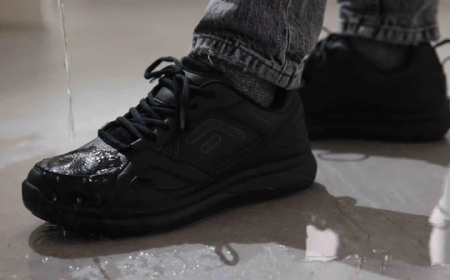
- Approach shoes with sticky rubber soles (e.g., La Sportiva TX4 or Scarpa Manta) for grip on wet rock
- Hydration system with at least 3 liters capacityno water sources are reliable after the first mile
- Helmetessential for protection from falling rock and water-debris
- Quick-dry clothing with no loose fabric that can snag on rock edges
- Lightweight climbing gloves with reinforced palms
- Small first-aid kit including blister treatment, antiseptic wipes, and a compact splint
- Headlamp with extra batterieseven if you plan to finish before dark, delays are common
- Waterproof dry bag for electronics and spare layers
Do not carry a backpack heavier than 10% of your body weight. Every extra ounce compounds fatigue on vertical sections. Pack only essentials: food, water, navigation, safety gear, and one extra layer.
Step 3: Trailhead to the First Chain
The initial 1.8-mile stretch along the Blue Trail is deceptively gentle. It ascends gradually through hemlock and beech forest, offering a warm-up for your legs and lungs. Stay on the marked trailstraying here can lead to private land or unstable slopes. Look for the cairns (rock piles) near mile 1.5they mark the transition zone.
At the junction with the Black Dome Trail, turn left. The path narrows and becomes rocky. Within 0.3 miles, youll hear the first roar of water. This is the entrance to the First Chaina 40-foot vertical cascade where hikers must use fixed ropes and natural handholds to ascend. Do not attempt this section alone. Always have a partner.
Technique: Face the rock, plant your feet on ledges no wider than your shoe sole, and use a three-point contact systemtwo feet and one hand, or two hands and one foot, always. Avoid pulling with your arms alone; engage your legs and core. Test each grip before committing your weight. Wet moss and algae are common on rock surfacesassume every dark patch is slippery.
Step 4: Navigating the Middle Chains
The Second and Third Chains are the most technically demanding. Here, the waterfall splits into multiple channels, creating a labyrinth of wet rock and narrow ledges. The rock is primarily shale and quartzite, which can crumble under pressure. Look for the faint, worn path that snakes diagonally across the facethis is the historic route used by early surveyors and climbers.
Key strategy: Move slowly and deliberately. Rushing here is the leading cause of accidents. Pause every 1015 feet to reassess your position. Use your helmet to tap rocks before grabbing themloose stones can dislodge unexpectedly. If you encounter a section that feels unsafe, retreat and re-evaluate. There is no shame in turning back.
Water flow varies dramatically. In dry conditions, you may find dry ledges between cascades. In wet conditions, water may be flowing over the entire face. In this case, look for windowsareas where the water has carved out recesses that allow passage. These are often marked by darker, smoother rock. Do not attempt to climb directly through active waterfalls.
Step 5: The Final Ascent to Upper Falls
The Fourth Chain, known as the Final Pitch, is a 60-foot vertical climb with minimal handholds and a steep, exposed drop on the left. This is where many turn back. The route requires a combination of chimneying (pressing your back and feet against opposing rock walls) and stemming (pushing with both feet against a narrow crack).
Technique: Use your boots to find friction on small ridges. If youre wearing approach shoes with Vibram soles, youll have a significant advantage. Keep your center of gravity low and close to the rock. Avoid looking downfocus on the next handhold. If you feel fatigued, rest by hooking your toes into a crevice and leaning back slightly to relieve arm strain.
At the top of the Fourth Chain, youll reach a narrow ledge with a rope anchor bolted into the rock. This is the official endpoint of the climb. Do not attempt to scale beyond this point without technical climbing gear and training. The Upper Falls drop is a free fallno safe descent exists from above.
Step 6: Descent and Return
Descending The Chains is more dangerous than ascending. Fatigue, loose rock, and wet surfaces increase the risk of slips. The standard descent follows the same route, but many hikers opt for the Black Dome Loop to avoid retracing steps.
To take the loop: From the top of the Fourth Chain, follow the cairns east toward the summit of Black Dome (1.2 miles). The trail is steep and rocky but well-marked. Descend via the Black Dome Trail back to the Blue Trail, then return to North-South Lake. This adds 2.5 miles but reduces exposure to the most hazardous sections.
Always carry a whistle. If you fall or become stranded, three short blasts are the universal distress signal. Never descend after dark. If youre running late, set a turnaround time at the start of your hikestick to it.
Best Practices
1. Never Hike Alone
Even the most experienced hikers should never attempt The Chains solo. In the event of a fall, injury, or equipment failure, having a partner can mean the difference between life and death. Establish a communication plan before starting: agree on check-in times, emergency signals, and backup routes. Carry a personal locator beacon (PLB) or satellite messenger like Garmin inReach for emergencies beyond cell range.
2. Leave No Trace
The Chains is part of a protected wilderness area. Do not leave any trace of your passage. Pack out all trashincluding food wrappers, tissue, and biodegradable items. Avoid stepping on moss or lichen; these slow-growing organisms take decades to recover. Do not carve names into rock or remove natural objects. Respect the ecological integrity of the area.
3. Weather Monitoring
Check the forecast for Windham, NYthe nearest official weather station. Rain within 24 hours of your hike significantly increases risk. Avoid hiking if thunderstorms are predicted. Even distant storms can cause flash flooding in narrow gorges. Monitor wind speedgusts above 20 mph make balance difficult on exposed ledges.
4. Physical Conditioning
The Chains requires full-body strength, particularly in the grip, core, and quadriceps. Train for at least 8 weeks prior. Include:
- Dead hangs on a pull-up bar (3 sets of 30 seconds)
- Step-ups with weight (50 lbs) to simulate vertical ascent
- Balance drills on unstable surfaces (e.g., foam pads or Bosu balls)
- Long hikes with a loaded pack (20+ lbs) on steep terrain
Cardiovascular endurance is equally critical. Aim for 45 hours of sustained aerobic activity weeklytrail running, stair climbing, or hiking with elevation gain.
5. Mental Preparation
Psychological readiness is as vital as physical fitness. Fear is natural. The key is not to eliminate it, but to manage it. Practice visualization: mentally rehearse each section of the climb. Imagine yourself moving confidently, breathing steadily, and reacting calmly to obstacles. If anxiety spikes during the hike, pause, take three deep breaths, and refocus on the next handhold.
6. Group Dynamics
If hiking with a group, establish a clear leader and a sweep (last person). The leader sets the pace and chooses the route. The sweep ensures no one is left behind. Maintain visual contact at all times. If someone is struggling, adjust your pace. Never rush ahead. Patience saves lives.
Tools and Resources
Essential Digital Tools
- Gaia GPS Download the Catskill Park Trails layer for offline topo maps with elevation profiles.
- AllTrails Pro Read recent user reviews for current trail conditions. Filter by hike and sort by most recent.
- Mountain Forecast Provides hyperlocal weather for specific peaks, including wind, precipitation, and temperature at elevation.
- Google Earth Pro Use the 3D terrain view to simulate your route. Rotate the map to see rock angles and potential exposure zones.
Printed Resources
- Catskill Mountain 3500 Club Guidebook The definitive reference for all high-elevation trails in the region, including detailed descriptions of The Chains.
- USGS Topographic Map: Windham, NY (1992, revised 2018) Available for free download at usgs.gov. Focus on the 7.5-minute quadrangle covering the North-South Lake area.
- Rock Climbing: Mastering Basic Skills by Craig Luebben A foundational text on friction climbing, grip techniques, and rock safety.
Local Knowledge
Connect with the Catskill Mountain Club or the Adirondack Mountain Club forums. Many experienced hikers share real-time updates on trail conditions, rock stability, and recent accidents. Join their email lists or attend their monthly meetups. Local knowledge often reveals hidden hazards that dont appear on maps.
Training Equipment
- Hangboard For grip strength training
- Rock Climbing Shoes Even if you dont climb, they improve foot precision on uneven terrain
- Weighted Vest Simulates pack load during training hikes
- Balance Pad Improves proprioception on unstable surfaces
Emergency Gear
- Garmin inReach Mini 2 Two-way satellite messaging with SOS
- Emergency Bivy Sack Lightweight, reflective, and waterproof
- Personal Locator Beacon (PLB) Registered with NOAA for immediate rescue dispatch
- Whistle with Decibel Rating >100 Audible over 1,000 feet in open terrain
Real Examples
Case Study 1: The Unexpected Storm
In August 2022, a group of four hikers began The Chains climb at 8 a.m. The forecast showed clear skies, but by 11:30 a.m., dark clouds rolled in from the west. Rain began lightly, then intensified. One hiker slipped on the Second Chain, twisting her ankle. The group used their satellite messenger to send an SOS. Rescue teams arrived within 90 minutes via helicopter, but the delay was due to poor visibility.
Lessons learned:
- Always carry a PLB, even on easy hikes.
- Turn around at the first sign of changing weather.
- Wearing waterproof pants and a hooded shell saved the group from hypothermia while waiting.
Case Study 2: The Solo Attempt
In June 2021, a solo hiker with 10 years of experience attempted The Chains without a partner. He reached the Third Chain safely but misjudged a handhold on the Fourth Chain. The rock fractured under his grip, and he fell 15 feet onto a ledge. He was conscious but unable to move his leg. He activated his PLB, but it took 5 hours for rescuers to locate him due to dense tree cover. He suffered a broken femur and required surgery.
Lessons learned:
- No one is too experienced to hike alone on technical terrain.
- Always carry a PLB with GPS coordinates enabled.
- Inform someone of your itineraryeven if youre hiking solo.
Case Study 3: The Successful Ascent
In September 2023, a pair of trained climbers from Vermont completed The Chains in 4 hours and 12 minutes. They had trained for 10 weeks, practiced on similar rock faces in New Hampshire, and studied the route using Gaia GPS. They started at 6 a.m., carried only 8 lbs of gear, and used the Black Dome Loop for descent. They reported no issues with weather, rock stability, or fatigue.
What made the difference:
- Pre-hike route rehearsal via virtual 3D mapping
- Strict adherence to a turnaround time (2 p.m.)
- Use of climbing gloves and approach shoes
- Post-hike debrief to document conditions for future hikers
FAQs
Is The Chains Waterfall Climb suitable for beginners?
No. The Chains is rated as a Class 4 scramble on the Yosemite Decimal System, meaning it requires hands-on climbing with exposure to serious fall hazards. Beginners should gain experience on Class 23 trails first, such as Slide Mountain or the Devils Path, before attempting technical ascents.
Do I need ropes or harnesses?
Technically, noThe Chains is not a technical rock climb and does not require ropes for standard ascent. However, many experienced hikers carry a lightweight 30-meter dynamic rope and a few carabiners as a safety precaution for assisting a partner in case of a fall. If youre unsure of your ability, consider hiring a certified guide.
Can I bring my dog?
No. Dogs are not permitted on The Chains due to the exposed terrain, narrow ledges, and risk of injury to both the animal and other hikers. The Catskill Park regulations strictly prohibit pets on Class 4 routes.
How long does the hike take?
Most hikers take between 5 and 7 hours round-trip, including rest and photo stops. Fast, experienced parties can complete it in under 4 hours. Allow extra time if conditions are wet or if youre new to rock scrambling.
Is there cell service on the trail?
No. There is zero cell reception from the parking area onward. Rely on satellite communication devices for emergencies.
Are there restrooms or water sources?
There are no restrooms on the trail. Use a portable trowel and pack out waste. Water sources are unreliable. Carry all the water youll needminimum 3 liters per person.
Can I climb The Chains in winter?
Not recommended. Ice, snow, and freezing temperatures make the rock face extremely hazardous. The climb is effectively closed from November through April. Even in early spring, meltwater creates dangerous currents.
Whats the best time of day to start?
Start at sunrisebetween 5:30 a.m. and 6:30 a.m. This gives you maximum daylight, cooler temperatures, and fewer crowds. Afternoon heat increases sweat and reduces grip. Also, storms are more likely to develop after midday.
Do I need a permit?
No permit is required to hike The Chains, as it lies within public forest land. However, parking at North-South Lake requires a $10 day-use fee for non-residents. Cash or card is accepted at the kiosk.
What if I get stuck or cant go further?
Stay calm. Do not attempt risky moves. Signal for help using your whistle (three blasts). If you have a satellite device, activate SOS. Stay put. Rescuers are trained to locate hikers using GPS coordinates. Do not descend on your own unless you are certain of the route.
Conclusion
The Chains Waterfall Climb is not merely a hikeits a profound test of skill, resilience, and respect for nature. It demands preparation, humility, and a willingness to turn back when conditions warrant it. Those who complete it do so not because they are the strongest, but because they are the most thoughtful.
This guide has provided you with the technical knowledge, practical tools, and real-world insights needed to approach The Chains with confidence. But knowledge alone is not enough. Success comes from disciplinesticking to your turnaround time, trusting your gear, listening to your body, and honoring the mountain.
As you stand at the top of the Fourth Chain, looking down at the mist rising from the Upper Falls, youll understand why this climb endures in the hearts of those whove dared it. Its not about conquering nature. Its about moving through it with grace, precision, and reverence.
Plan wisely. Prepare thoroughly. Respect the route. And when you return, share your experiencenot just for personal pride, but to help others prepare safely. The Chains doesnt need more climbers. It needs more responsible ones.