






















How to Explore Cornwall Eden Project Gardens
How to Explore Cornwall Eden Project Gardens The Eden Project in Cornwall is more than a botanical attraction—it is a living laboratory of ecological innovation, a sanctuary for biodiversity, and a testament to humanity’s potential to harmonize with nature. Nestled in a reclaimed clay pit near Bodelva, this world-renowned destination features two massive biomes housing thousands of plant species f

How to Explore Cornwall Eden Project Gardens
The Eden Project in Cornwall is more than a botanical attractionit is a living laboratory of ecological innovation, a sanctuary for biodiversity, and a testament to humanitys potential to harmonize with nature. Nestled in a reclaimed clay pit near Bodelva, this world-renowned destination features two massive biomes housing thousands of plant species from across the globe, alongside outdoor gardens, art installations, and educational exhibits. For travelers, nature enthusiasts, educators, and sustainability advocates, exploring the Eden Project is not just a day outits an immersive journey into the interconnectedness of life on Earth.
Understanding how to explore the Eden Project effectively transforms a simple visit into a meaningful, memorable experience. Many visitors arrive with high expectations but leave without fully engaging with the sites depth. This guide provides a comprehensive, step-by-step roadmap to maximize your time, deepen your understanding, and connect with the mission of the Eden Project. Whether youre planning your first visit or returning to discover new layers, this tutorial equips you with the knowledge to navigate the site with purpose, curiosity, and environmental awareness.
Step-by-Step Guide
1. Plan Your Visit in Advance
Before setting foot on the grounds, thoughtful planning is essential. The Eden Project receives over one million visitors annually, and peak seasonsespecially summer holidays and school breakscan lead to long queues and crowded pathways. Begin by visiting the official Eden Project website to review opening hours, seasonal events, and ticket options. Consider purchasing tickets online in advance; not only does this save time at the entrance, but it often grants access to discounted rates and priority entry.
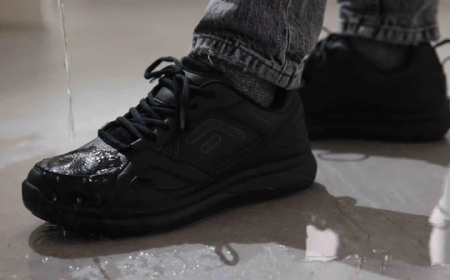
Check the weather forecast for Cornwall. The region is known for its microclimatessunny one moment and misty the next. Dress in layers, wear waterproof footwear, and bring a compact umbrella or rain jacket. The terrain includes steep slopes, gravel paths, and uneven surfaces, so comfortable walking shoes are non-negotiable.
Decide on your focus. Are you drawn to the tropical rainforest biome, the Mediterranean garden, the outdoor sculpture park, or the educational workshops? Prioritizing your interests will help you allocate time wisely. The Eden Project spans over 155 acres, and attempting to see everything in one day can lead to fatigue and diminished engagement.
2. Arrive Early and Start with the Biomes
Arriving at opening timetypically 9:30 AMgives you the advantage of fewer crowds and cooler temperatures. Begin your journey in the Rainforest Biome, the larger of the two domes. This climate-controlled environment simulates a tropical rainforest with temperatures maintained at 28C and humidity at 80%. As you enter, pause at the entrance to absorb the sensory overload: the scent of damp earth, the rustling of palm fronds, the calls of exotic birds, and the drip of water from canopy leaves.
Follow the elevated walkways that spiral upward, offering panoramic views of the jungle below. Look for the giant kapok tree, a centerpiece of the biome, and the floating water lilies in the lagoon. Take note of the educational panels that explain how rainforests regulate global climate, store carbon, and support indigenous communities. Dont rushthis is where the magic of biodiversity unfolds.
After spending 4560 minutes in the Rainforest Biome, proceed to the Mediterranean Biome. Here, the atmosphere shifts dramatically: the air is drier, the scent of rosemary and thyme fills the space, and the light is brighter. This biome replicates the climates of southern Europe, California, and parts of Australia. Observe olive trees, grapevines, and cork oaks. Learn how these regions face similar challenges to Cornwalldrought, soil erosion, and habitat lossand how sustainable agriculture practices are being adapted here.
3. Explore the Outdoor Gardens
Once youve absorbed the enclosed ecosystems, step outside into the 12-acre outdoor garden landscape. These areas are designed to reflect Cornwalls unique geology and maritime climate. The Lost Gardens of Heligan-inspired terraces, the Japanese-inspired Zen Garden, and the edible landscape near the Kitchen Garden are highlights.
Pay special attention to the Kitchen Garden, where vegetables, herbs, and fruits are grown using organic and regenerative methods. This area demonstrates how food can be produced sustainably even in temperate climates. Look for the beehives, composting systems, and rainwater harvesting featureseach element is a lesson in circular design.
Follow the paths that wind through the sculpture park. Artworks here are not decorativethey are conceptual. Pieces like The Seed by Thomas Heatherwick or The Great Wall of Cornwall by Anish Kapoor invite reflection on human impact and natural resilience. Take time to read the plaques and consider the stories behind each installation.
4. Engage with Interactive Exhibits and Workshops
The Eden Project is not a passive museumit is an active learning environment. Look for the daily schedule of talks, demonstrations, and hands-on workshops. These are often led by botanists, ecologists, and sustainability experts. Topics range from How Pollinators Shape Our Food Systems to Composting at Home. Many are free with admission and require no booking.
Visit the Change Makers exhibition, which showcases global environmental initiatives and local community projects. Here, youll encounter stories from indigenous land stewards, urban farmers, and marine conservationists. This section transforms abstract concepts like carbon neutrality into tangible human actions.
Dont miss the Water Stories interactive display near the main entrance. Using augmented reality and real-time data, it illustrates how water cycles connect Cornwall to the Amazon, the Himalayas, and the Arctic. This exhibit is particularly powerful for families and educators.
5. Navigate the Site Efficiently
The Eden Project is vast, and walking between zones can be tiring. Use the free shuttle bus that runs between the main entrance, the biomes, and the outdoor gardens. It operates every 1520 minutes and is wheelchair accessible. For those with mobility challenges, mobility scooters and wheelchairs are available for hire at the visitor center.
Use the official Eden Project app, which includes an interactive map, audio guides, and real-time updates on queue lengths and event times. The app also highlights hidden gemslike the quiet bench overlooking the orchard or the hidden waterfall near the Mediterranean Biomethat most visitors overlook.
Plan your route logically: start with the biomes, move to the outdoor gardens, then loop back toward the visitor center for lunch and exhibits. Avoid backtracking unnecessarily. The site is designed as a journey, not a checklist.
6. Eat Sustainably
Food is an integral part of the Eden Project experience. The on-site restaurantssuch as The Core Caf and The Garden Kitchenprioritize local, seasonal, and organic ingredients. Many dishes are sourced directly from the Kitchen Garden or nearby farms. Opt for plant-based meals, which have a lower environmental footprint, and avoid single-use plastics by bringing a reusable water bottle (refill stations are available throughout the site).
Sample the Cornish pasties made with heritage potatoes and locally raised beef, or try the vegan jackfruit tacos served with foraged seaweed salad. The food here is not just nourishmentits a demonstration of regional food sovereignty and ecological responsibility.
7. Reflect and Document Your Experience
Before leaving, take 1520 minutes to sit quietly in the Quiet Garden or on the grassy hill overlooking the biomes. Reflect on what youve learned. Consider journaling your thoughts: What surprised you? What surprised you? What actions can you take in your own life to support biodiversity?
Photography is encouraged, but be mindful of signage that prohibits flash near sensitive plant specimens. Capture not just the grand vistas but also the small detailsthe dew on a leaf, the texture of bark, the patterns of moss. These images can serve as lasting reminders of ecological interconnectedness.
Best Practices
Respect the Environment
The Eden Projects core philosophy is People and Planet. Every visitor has a role in preserving its integrity. Stay on designated paths to avoid trampling fragile root systems. Do not pick flowers, disturb wildlife, or feed animals. Even seemingly harmless actionslike leaving a water bottle or stepping off a trailcan disrupt delicate ecosystems.
Follow the Leave No Trace principle: carry out everything you bring in. Use the recycling and compost bins provided. The site diverts over 90% of its waste from landfill through innovative systems, and your cooperation ensures these efforts continue.
Engage with Interpretive Materials
Dont skip the signage. Each panel is carefully researched and written by botanists and environmental educators. They explain not just what youre seeing, but why it matters. For example, a sign about a cactus might explain how its spines evolved to reduce water lossa lesson in adaptation that mirrors human innovation in water-scarce regions.
Download the free audio tour or join a guided walk. These are led by trained interpreters who can answer nuanced questions and share behind-the-scenes stories not found in brochures.
Support the Mission
The Eden Project is a registered charity. Its operations rely on visitor revenue to fund education programs, research, and conservation initiatives worldwide. Consider making a voluntary donation at the gift shop or purchasing a membership. Members receive unlimited access, discounts on events, and early access to exhibitions.
When buying souvenirs, choose items made from recycled, biodegradable, or ethically sourced materials. Avoid plastic trinkets. Many products in the shop are created by local artisans or in partnership with communities in the Global South.
Bring Curiosity, Not Assumptions
Approach the Eden Project with an open mind. You may assume that tropical plants belong only in warm climatesbut the biomes prove otherwise. You may think sustainability is a buzzwordbut here, its a daily practice. Challenge your preconceptions. Ask questions. Talk to staff. The more you engage, the more youll understand.
Involve Children and Educators
The Eden Project offers dedicated family trails, scavenger hunts, and curriculum-linked resources for schools. If visiting with children, pick up a Junior Explorer activity sheet at the entrance. These guides encourage observation, critical thinking, and creativity.
Teachers can book free pre-visit resources and post-visit lesson plans aligned with national science and geography standards. The site is a living classroom that makes abstract concepts like climate change, biodiversity loss, and renewable energy tangible and personal.
Time Your Visit for Optimal Conditions
Early mornings are ideal for photography, quiet contemplation, and avoiding crowds. Late afternoons offer softer light and fewer people, perfect for lingering in the gardens. Weekdays are generally quieter than weekends.
Seasonal highlights include spring blossoms in the Mediterranean garden, summer butterfly migrations, autumn harvest festivals, and winter light installations. Check the events calendar to align your visit with a special theme or performance.
Tools and Resources
Official Eden Project Website
The primary resource for planning your visit is edenproject.com. Here, you can book tickets, view daily schedules, access downloadable maps, and read detailed descriptions of each exhibit. The site also features a blog with in-depth articles on sustainability, conservation, and behind-the-scenes stories from the team.
Eden Project Mobile App
Available for iOS and Android, the official app enhances your visit with GPS-enabled navigation, audio commentary, real-time updates on wait times, and an interactive quiz for children. It also includes a Plant Identifier feature that lets you photograph unfamiliar flora and receive instant identification and ecological context.
Free Educational Downloads
For educators and homeschooling families, the Eden Project offers a library of free PDF resources on topics such as The Carbon Cycle, Pollinators and Food Security, and Designing Sustainable Cities. These are aligned with UK National Curriculum standards and include lesson plans, worksheets, and video links.
Recommended Reading
To deepen your understanding before or after your visit, consider these titles:
- The Hidden Life of Trees by Peter Wohlleben Explores the social networks of forests, a theme echoed in the Rainforest Biome.
- Braiding Sweetgrass by Robin Wall Kimmerer Blends indigenous wisdom and scientific knowledge, resonating with Edens holistic approach.
- The Sixth Extinction by Elizabeth Kolbert Provides context for why biodiversity conservation matters globally.
- Eden: The Story of the Eden Project by Tim Smit The founders firsthand account of transforming a derelict quarry into a global icon.
Podcasts and Documentaries
Listen to the Eden Projects own podcast, The Green Room, which features interviews with scientists, artists, and activists. Watch documentaries such as The Eden Project: A New Beginning (BBC) and Planet Earth II (BBC), which showcase ecosystems mirrored in the biomes.
Local Transportation Options
While the Eden Project is accessible by car, consider using public transport to reduce your carbon footprint. The X53 bus runs from St Austell train station directly to the site. For those staying in nearby towns like Truro or Falmouth, regional buses and cycle routes are well-marked. The site also offers free parking for electric vehicles and bike racks.
Community and Volunteer Networks
For those passionate about long-term engagement, the Eden Project offers volunteer programs. Participants assist with gardening, education outreach, and event support. No prior experience is neededjust enthusiasm and commitment. Visit the website to apply or attend an open day for volunteers.
Real Examples
Example 1: The School Group That Changed a Community
A primary school in Plymouth, with limited resources, organized a fundraising campaign to send 45 students to the Eden Project. Before the trip, teachers integrated the visit into their science curriculum, studying ecosystems, climate zones, and sustainability. After returning, the students launched a school-wide composting program, installed rainwater barrels, and created a native plant garden using seeds collected from the Eden Projects Kitchen Garden. Their project won a national environmental award and inspired three neighboring schools to follow suit.
Example 2: The Retiree Who Became a Climate Advocate
After visiting the Eden Project for the first time at age 68, Margaret, a retired nurse from Exeter, was moved by the Water Stories exhibit. She began attending weekly talks, joined the volunteer team, and started a local Water Wise group that educated neighbors on reducing household water use. Within two years, her community reduced its water consumption by 30% and partnered with the Eden Project to host a regional sustainability fair.
Example 3: The Photographer Who Captured a Movement
Photographer James Liu visited the Eden Project on a rainy Tuesday and was struck by the contrast between the bustling biomes and the quiet resilience of a single fern growing through cracked concrete near the entrance. He photographed it daily for a month, documenting its growth. His series, Life in the Cracks, was exhibited at the Tate St Ives and later used in an educational campaign on urban biodiversity. The Eden Project now includes his work in its permanent collection.
Example 4: The Corporate Team That Reimagined Sustainability
A London-based tech firm sent 20 employees to the Eden Project as part of a leadership retreat focused on innovation and responsibility. They participated in a workshop on circular design and returned with a new corporate sustainability strategy: eliminating single-use plastics in their offices, switching to renewable energy suppliers, and funding a reforestation project in Madagascar. The initiative increased employee satisfaction by 40% and reduced their carbon footprint by 22% within a year.
Example 5: The International Student Who Found Her Calling
A biology student from Kenya visited the Eden Project as part of a university exchange program. She was inspired by the way the site combined indigenous knowledge with modern science. After returning home, she founded a youth-led initiative to restore degraded farmland using traditional agroforestry techniques learned from Edens partnerships with African communities. Her project now supports over 200 smallholder farmers.
FAQs
How long should I plan to spend at the Eden Project?
Most visitors spend between 4 and 6 hours to fully experience the biomes, gardens, and exhibits. If youre short on time, a minimum of 3 hours allows you to see the key areas. For those deeply interested in sustainability or botany, a full dayor even two visitsis recommended.
Is the Eden Project suitable for children?
Yes. The site is designed to engage all ages. Childrens trails, interactive exhibits, and hands-on workshops make learning fun. The outdoor play areas and open spaces allow for physical activity, and the caf offers kid-friendly meals. The Junior Explorer activity sheets are a hit with younger visitors.
Can I bring my dog?
Only registered assistance dogs are permitted on the site. This policy protects the plants, wildlife, and other visitors. There is a designated dog-walking area near the car park with waste disposal stations.
Is the Eden Project wheelchair accessible?
Yes. All main areas, including the biomes, are fully accessible via ramps and elevators. Wheelchairs and mobility scooters are available for free hire. The paths are mostly level, though some slopes are steep. Staff are trained to assist with accessibility needs.
Are there guided tours available?
Yes. Free daily guided walks are offered at 11:00 AM and 2:00 PM, led by trained interpreters. These cover the biomes, gardens, and sustainability features. For a more in-depth experience, book a private guided tour in advance.
Can I take photos?
Photography is encouraged for personal use. Flash photography is prohibited near sensitive plant collections. Tripods require prior permission. Commercial photography and drone use are not permitted without a license.
What is the best time of year to visit?
Spring (AprilJune) offers blooming gardens and mild weather. Summer (JulyAugust) is busiest but features the most events. Autumn (SeptemberOctober) provides stunning foliage and fewer crowds. Winter (NovemberFebruary) is quieter, with special light installations and indoor workshops.
Can I buy plants from the Eden Project?
Yes. The gift shop and garden center sell a curated selection of plants, seeds, and gardening toolsall sustainably sourced. Many are native or climate-resilient species suitable for UK gardens.
Is the Eden Project eco-friendly?
Yes. The site generates its own renewable energy, recycles 90% of waste, uses rainwater for irrigation, and sources food locally. The biomes themselves are constructed with recycled materials and designed for energy efficiency. The Eden Project is a global model for sustainable tourism.
How does the Eden Project support global communities?
The Eden Project partners with communities in Africa, Asia, and Latin America to support conservation, education, and sustainable agriculture. Projects include reforestation in Madagascar, teaching agroecology in Kenya, and protecting coral reefs in the Philippines. Revenue from visits directly funds these initiatives.
Conclusion
Exploring the Cornwall Eden Project Gardens is not merely a tourist activityit is an act of reconnection. In a world increasingly disconnected from nature, this site offers a rare space where science, art, culture, and ecology converge. By following the steps outlined in this guide, you move beyond passive observation to active engagement. You become part of a larger narrativeone that recognizes the fragility and resilience of life on Earth.
Every path you walk, every plant you study, every conversation you have at the Eden Project plants a seednot just in the soil, but in your understanding. The lessons here are not confined to Cornwall. They ripple outward: into your home, your community, your choices. The Eden Project does not just display natureit invites you to become a steward of it.
So plan your visit with intention. Arrive with curiosity. Leave with responsibility. And remember: the most powerful thing you can take from the Eden Project is not a souvenir, but a shift in perspective. The world is interconnected. And you, too, are part of the system.