






















How to Drive the West Quantocks Coastal Road
How to Drive the West Quantocks Coastal Road The West Quantocks Coastal Road is one of the most scenic and historically rich driving routes in southwest England, winding through rugged cliffs, ancient woodlands, and quiet coastal hamlets between Minehead and Watchet in Somerset. Though not a major highway, this lesser-known stretch of road offers an unparalleled experience for travelers seeking so

How to Drive the West Quantocks Coastal Road
The West Quantocks Coastal Road is one of the most scenic and historically rich driving routes in southwest England, winding through rugged cliffs, ancient woodlands, and quiet coastal hamlets between Minehead and Watchet in Somerset. Though not a major highway, this lesser-known stretch of road offers an unparalleled experience for travelers seeking solitude, natural beauty, and a deep connection with Englands coastal heritage. Unlike the more crowded A39 or M5 corridors, the West Quantocks Coastal Road delivers a slower, more intentional journeyperfect for photographers, history enthusiasts, and those looking to escape the pace of modern travel.
Driving this route requires more than just a GPS and a full tank of fuel. It demands awareness of narrow lanes, seasonal weather patterns, local customs, and the subtle rhythms of rural life. This guide provides a comprehensive, step-by-step walkthrough on how to drive the West Quantocks Coastal Road safely, respectfully, and enrichingly. Whether youre a first-time visitor or a seasoned road-tripper, this tutorial will equip you with the knowledge to turn a simple drive into a memorable expedition.
Step-by-Step Guide
1. Plan Your Route in Advance
Before setting out, map your journey using reliable offline tools. The West Quantocks Coastal Road is not a single named highway but a combination of minor roads, primarily the B3191 and B3192, with occasional connectors like the B3193 and unclassified lanes. Start at Minehead, where the road begins near the towns western edge, just past the junction of the A39 and the coastal path.
Use topographic maps or apps like Ordnance Survey Maps (OS Maps) or Komoot to trace the route. These platforms show elevation changes, road widths, and even surface conditions. Avoid relying solely on Google Maps or Apple Maps, as they often misroute users onto unsuitable lanes or fail to indicate closures during high tides or storms.
Key waypoints to note:
- Minehead (start)
- St. Audries Bay
- Blue Anchor
- Watchet Harbour
- West Quantocks Head
Plan to drive the route from east to west (Minehead to Watchet) for optimal lighting in the morning and better views of the coastline. The sun rises behind you, illuminating the cliffs and sea without glare.
2. Choose the Right Vehicle
While a standard sedan can navigate the road, a higher-clearance vehicle is recommended, especially after heavy rain. Many sections feature steep, uneven gradients, loose gravel, and narrow passing points where a low-slung car may scrape its undercarriage on hidden ruts.
Compact SUVs, crossovers, and even well-maintained hatchbacks with good suspension perform best. Avoid large RVs, trailers, or vehicles over 4.5 meters in lengthmany stretches are too tight for safe turning or passing. If youre towing, reconsider this route entirely; nearby A-roads provide better alternatives.
Ensure your tires are in good condition with adequate tread depth (minimum 3mm recommended). The roads surface can be slick with moss, especially in shaded areas, and sudden downpours are common in autumn and winter.
3. Check Weather and Tides
Weather on the West Quantocks coast changes rapidly. Even on a clear morning, fog can roll in by midday, reducing visibility to under 50 meters. Coastal winds can exceed 40 mph, particularly around West Quantocks Head, where the terrain funnels air between cliffs.
Use the Met Offices coastal forecast for Somerset and check tide times via the UK Hydrographic Office. Low tide exposes dramatic rock formations and tidal pools along the shore, but high tide can flood narrow access roads near Blue Anchor and St. Audries Bay. Never attempt to drive through flooded sectionsturn around and wait.
Best times to drive:
- Spring (AprilMay): Wildflowers bloom, fewer tourists
- Early Autumn (September): Mild temperatures, clear skies
- Weekdays outside school holidays: Minimal traffic
Avoid driving during storms, gales, or after prolonged rainfall. The roads clay-rich soil becomes unstable, and landslides have occurred near the Quantock Hills escarpment.
4. Understand Road Characteristics
The West Quantocks Coastal Road is not a modern highway. Its a collection of rural lanes with the following features:
- Narrow lanes: Often less than 3 meters wide. Many sections allow only one vehicle at a time.
- Sharp bends: Blind corners are common, especially near Combe Martin and the descent into Watchet.
- Unmarked junctions: Farm entrances and footpaths may appear without signage.
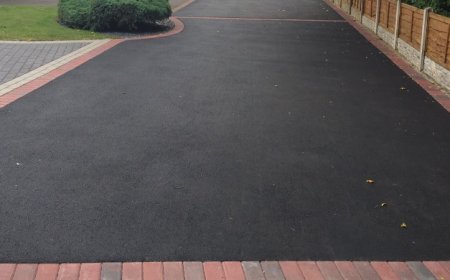
- Surface variations: Asphalt transitions to compacted gravel, then to worn cobbles near historic sites.
- No crash barriers: Many drop-offs are unprotected. Stay centered on the road.
Speed limits are not always posted, but the legal limit on unclassified rural roads in the UK is 60 mph. However, driving at more than 3040 mph is unsafe and inconsiderate. Most locals drive at 2025 mph. Match their pace.
5. Navigate Passing Zones and Oncoming Traffic
When encountering oncoming vehicles, slow down early and look for passing placesthese are widened sections of the road, often marked by a small pull-off or a gap in the hedgerow. If no passing place is visible, stop and wait. Do not attempt to squeeze past.
Use your indicators to signal your intention to pull over or proceed. A quick flash of your headlights is a traditional British gesture meaning after youuse it politely. Never honk. Honking is considered rude in rural Somerset.
When passing a cyclist, give at least 1.5 meters of clearance. Cyclists are common on this route, especially during summer. Many are touring the South West Coast Path.
6. Respect Local Traffic and Pedestrians
This road serves local residents, farmers, and walkers. Expect slow-moving tractors, sheep on the road (especially in spring), and pedestrians crossing at unmarked points. Always yield.
Children may be walking to school or playing near gates. Dogs, often uncontrolled, may dart across the road. Drive with heightened awareness between 79 AM and 46 PM.
At farm gates, do not block access. If a gate is closed, leave it as you found it. Opening gates without permission can disrupt livestock management.
7. Fuel, Food, and Rest Stops
There are no service stations along the main stretch. Fill your tank in Minehead or Watchet before starting. The nearest petrol station between these points is in Bishops Lydeardover 10 miles inland.
For refreshments, stop at:
- The Old School Tea Rooms (St. Audries): Homemade scones and local cider
- Blue Anchor Inn: Historic pub with sea views and hearty pub fare
- Watchet Harbour Caf: Fresh seafood and coffee with harbor views
Public restrooms are limited. Use facilities in Minehead or Watchet before departing. Portable toilets are not available along the route.
8. Parking and Safety
Never park on the road itself. Use designated lay-bys or marked parking areas. Illegal parking blocks emergency access and causes dangerous conflicts with oncoming traffic.
At scenic viewpoints like West Quantocks Head, parking is available but fills quickly on weekends. Arrive early. Avoid parking on grass vergesthis damages protected flora and can result in fines.
Keep valuables out of sight. While crime is rare, unlocked cars are targets for opportunistic theft.
9. Emergency Preparedness
Mobile signal is inconsistent. You may lose coverage between St. Audries and Blue Anchor. Carry a fully charged power bank and a physical map. If you break down:
- Turn on hazard lights
- Wear a high-visibility vest if exiting the vehicle
- Stand behind the barrier if one exists, or as far from the road as possible
- Call 999 and ask for Police or Fire and Rescue
Have a basic emergency kit: water, non-perishable snacks, a blanket, a flashlight, and a first-aid kit. Mobile apps like AA Roadside or RAC can assist with location sharing if you have signal.
10. Complete the Journey with Mindfulness
Driving the West Quantocks Coastal Road is not about speed. Its about presence. Pull over occasionallynot just for photos, but to listen. The wind through the gorse, the cry of seabirds, the distant chime of a church bellall are part of the experience.
Leave no trace. Take all rubbish with you. Do not pick wildflowers or disturb nesting birds. This landscape has been shaped by centuries of human and natural interaction. Be a respectful guest.
Best Practices
Drive Slowly, Observe Constantly
The cardinal rule of driving this route is: slow down to see more. Speed diminishes awareness. At 20 mph, you notice the lichen patterns on ancient stone walls, the way the light reflects off the sea at low tide, the subtle shift in bird calls as you enter a new microclimate.
Scan ahead, to the sides, and behind. Watch for sheep crossing, fallen branches, or cyclists emerging from side lanes. Anticipate rather than react.
Adopt the Look, Listen, Yield Principle
Before entering any junction or blind bend:
- Look: Check for signs of movementanimals, people, vehicles
- Listen: Listen for horns, barking dogs, or the sound of approaching engines
- Yield: Always give way to those already in the space youre entering
This principle reduces accidents and fosters mutual respect among road users.
Travel Off-Peak
Weekends, especially in summer and during school holidays, bring increased traffic from day-trippers. This increases congestion at narrow points and reduces the tranquility the road is known for.
Plan your trip for TuesdayThursday in late spring or early autumn. Youll have the road almost to yourself, and local businesses will be more attentive.
Respect Cultural and Historical Sites
The road passes near several protected heritage sites:
- St. Audries Church (12th century): Do not enter without permission
- Blue Anchors historic quay: Avoid walking on the cobblestones if they are wet or slippery
- West Quantocks Head Iron Age cliff fort: Stay on marked pathstreading on archaeological remains causes irreversible damage
These sites are not tourist attractionsthey are living parts of the landscape. Treat them with reverence.
Minimize Environmental Impact
The Quantock Hills are an Area of Outstanding Natural Beauty (AONB). Follow these guidelines:
- Do not litterplastic, food wrappers, and cigarette butts harm wildlife
- Do not feed animalsespecially gulls and foxes
- Use biodegradable cleaning products if washing hands or dishes in natural water sources
- Stick to designated trackscreating new paths erodes soil and disrupts habitats
Use Local Knowledge
Engage with locals. A farmer at a gate, a shopkeeper in Watchet, or a caf owner in Blue Anchor can provide real-time updates on road conditions, closures, or hidden viewpoints.
Ask: Is the road clear past the old quarry? or Are the cliffs safe to walk near today? Their insights are invaluable and often not found in guidebooks.
Document Responsibly
Photography is encouraged, but never at the expense of safety or privacy.
- Do not stop in the middle of the road to take photos
- Ask permission before photographing private property or people
- Use a tripod only in designated areastripods can obstruct paths and are often mistaken for surveillance equipment
Tools and Resources
Recommended Navigation Tools
While GPS is helpful, its not foolproof. Use these tools in combination:
- Ordnance Survey Maps (OS Maps App): The gold standard for UK walking and driving routes. Shows footpaths, contours, and road widths.
- Komoot: Excellent for planning scenic drives. Allows you to save offline routes and view elevation profiles.
- Google Earth (Desktop): Use satellite view to preview the roads layout, especially blind bends and steep drops.
- UK Road Conditions (gov.uk): Official updates on closures, flooding, or roadworks.
- Met Office Coastal Forecast: Detailed wind, tide, and visibility predictions for the Bristol Channel.
Essential Physical Items
Carry these even if you think you wont need them:
- Physical OS map of the West Quantocks area (Sheet 192)
- Full tank of fuel (fill up in Minehead or Watchet)
- Emergency blanket and warm clothing (temperatures drop quickly near the coast)
- Water and non-perishable snacks
- First-aid kit with antiseptic wipes and bandages
- Flashlight with extra batteries
- High-visibility vest
- Phone charger and power bank
- Pen and paper (for notes, directions, or emergency contact info)
Recommended Reading and Media
Deepen your appreciation with these resources:
- The Quantocks: A Landscape History by David H. Moore Explores the human and geological history of the area
- Coastal Somerset: A Photographic Journey by Eleanor Wills Stunning visuals of the routes changing seasons
- Podcast: The Quiet Road (Episode 7: West Quantocks) Interviews with locals and historians
- YouTube: Driving the West Quantocks Road 4K Drone Footage Visual preview of the routes most dramatic sections
Local Organizations to Support
Consider supporting these groups that maintain the roads integrity:
- Quantock Hills AONB Partnership: Manages conservation and access
- Friends of the West Quantocks Coast: Volunteers who clear litter and maintain footpaths
- Somerset County Council Highways: Responsible for road maintenance
Donations, volunteering, or simply following their guidelines helps preserve this route for future generations.
Real Examples
Example 1: The Photographers Journey
Emma, a landscape photographer from Bristol, drove the West Quantocks Coastal Road in late April. She started at 6:30 AM, with her camera gear packed and a thermos of tea. She used OS Maps to identify the best viewpoints and timed her arrival at West Quantocks Head for sunrise.
She encountered a farmer guiding his sheep across the road. Instead of honking, she stopped, turned off her engine, and waited. The farmer nodded in appreciation. At St. Audries Bay, she found an abandoned 19th-century lifeboat stationnow overgrown with ivyand captured a haunting image of the structure against the morning mist.
Emmas photos were later featured in a national photography magazine. She credited her success not to expensive gear, but to patience, timing, and respect for the roads rhythm.
Example 2: The Family Road Trip
The Carter family from Manchester drove the route with their two children, aged 7 and 10. They rented a small SUV and prepared a road trip journal for the kids, with tasks like spot 5 different birds, find the oldest building, and listen for the sound of the sea.
They stopped at the Blue Anchor Inn for lunch, where the owner gave the children a handmade sea glass pendant from the beach. The kids were fascinated by the story of how the glass was smoothed by the tide over decades.
They avoided the weekend rush by traveling on a Wednesday. The children fell asleep in the car during the quieter stretches, and the parents enjoyed uninterrupted views of the coastline.
It wasnt about getting somewhere, said Mrs. Carter. It was about being somewhere together.
Example 3: The Motorcyclists Challenge
James, a solo motorcyclist from Devon, rode the West Quantocks Coastal Road on a rainy October morning. He wore full protective gear and adjusted his speed for the slick surface.
At a sharp bend near Watchet, he encountered a fallen tree. He dismounted, assessed the situation, and used his helmet light to check for hidden hazards. He called the local councils emergency line and waited for help, using the time to photograph the storm-lashed coastline.
His ride became a story shared in motorcycle forums, praised not for speed, but for caution and adaptability.
Example 4: The Digital Nomads Retreat
A freelance writer from London drove the route to escape burnout. She parked at a quiet lay-by near Combe Martin, opened her laptop on a foldable table, and worked for three hours with only the sound of the wind and distant seagulls.
She used a portable Wi-Fi hotspot and downloaded all her files beforehand. She didnt check email after 5 PM. By sunset, she felt renewed.
This road doesnt demand attention, she wrote in her blog. It offers it. And if youre quiet enough, it gives you back a piece of yourself.
FAQs
Is the West Quantocks Coastal Road open year-round?
Yes, but sections may close temporarily due to landslides, flooding, or high winds. Always check the Quantock Hills AONB website or call Somerset County Councils highway department before traveling in winter months.
Can I drive this road with a caravan or trailer?
No. The road is too narrow and winding. There are no safe passing or turning areas for large vehicles. Use the A39 or A396 instead.
Are there any tolls or fees?
No. The West Quantocks Coastal Road is a public right of way and free to use. Parking is also free in designated areas.
Is this route suitable for electric vehicles?
Yes, but charging infrastructure is limited. The nearest public EV chargers are in Minehead and Watchet. Plan your route to include a charge before or after the drive. Range anxiety is real hereensure your vehicle has at least 100 miles of range before starting.
Whats the best time of year to drive this road?
April to May and September to early October offer the best balance of weather, light, and low visitor numbers. Winter offers dramatic skies but higher risk of closures. Summer is beautiful but crowded.
Can I walk parts of the road?
Yes. The South West Coast Path runs parallel to much of the route. Many walkers use the road to access trailheads. Be courteous and yield to pedestrians.
Are dogs allowed on the road?
Dogs are welcome but must be under control. Keep them on a leash near livestock and in protected areas. Clean up after them.
Why is this road not better known?
Its intentionally quiet. Local authorities and conservation groups have worked to preserve its rural character. Unlike major tourist routes, its not marketed aggressively. Thats part of its charm.
What should I do if I get lost?
Stay calm. Pull over safely. Use your OS map to orient yourself. Look for a landmarka church spire, a distinctive rock formation, a farm name. Call for help if needed. Do not attempt to backtrack blindly.
Can I camp along the road?
No. Wild camping is illegal in Somerset without landowner permission. Use designated campsites in Minehead, Watchet, or nearby villages.
Conclusion
Driving the West Quantocks Coastal Road is not merely a transportation taskit is a ritual. It asks you to slow down, pay attention, and engage with a landscape shaped by centuries of wind, tide, and human care. Unlike the rush of motorways or the noise of urban arteries, this route rewards patience, mindfulness, and respect.
By following the steps outlined herefrom planning with accurate maps to yielding to sheep and respecting heritage sitesyou dont just navigate a road; you become part of its story. You become a steward of its quiet beauty.
There will be days when the fog rolls in and the road disappears. There will be moments when the sea glows gold at sunset and the world feels still. These are the moments that linger long after the engine is turned off.
So when you next find yourself in Somerset, skip the crowded highways. Take the narrow lane. Turn off the music. Roll down the window. Let the salt air fill your lungs.
Drive the West Quantocks Coastal Roadnot as a destination, but as a way of being.