






















How to Hike the Hartland Quay Cliffs
How to Hike the Hartland Quay Cliffs The Hartland Quay Cliffs, located along the rugged North Devon coastline in southwest England, offer one of the most breathtaking and rewarding coastal hiking experiences in the United Kingdom. Stretching between the historic village of Hartland Quay and the dramatic headlands of the North Devon Heritage Coast, this trail delivers panoramic ocean vistas, ancien

How to Hike the Hartland Quay Cliffs
The Hartland Quay Cliffs, located along the rugged North Devon coastline in southwest England, offer one of the most breathtaking and rewarding coastal hiking experiences in the United Kingdom. Stretching between the historic village of Hartland Quay and the dramatic headlands of the North Devon Heritage Coast, this trail delivers panoramic ocean vistas, ancient geological formations, wildflower-strewn grasslands, and a profound sense of isolation that feels untouched by modern life. Unlike many well-trodden coastal paths, the Hartland Quay Cliffs route remains relatively undiscovered by mass tourism, making it ideal for hikers seeking authenticity, tranquility, and natural beauty.
This guide provides a comprehensive, step-by-step tutorial for safely and successfully hiking the Hartland Quay Cliffs. Whether youre a seasoned trail enthusiast or a first-time coastal walker, this resource equips you with everything you need to knowfrom route planning and gear selection to understanding local conditions and respecting the environment. By following these guidelines, youll not only complete the hike with confidence but also deepen your appreciation for one of Englands most underappreciated natural treasures.
Step-by-Step Guide
1. Research the Route and Choose Your Starting Point
The Hartland Quay Cliffs hike typically follows the South West Coast Path, a National Trail that spans over 630 miles along the southwestern coast of England. The segment between Hartland Quay and Hartland Point is approximately 4.5 miles (7.2 km) one way, with moderate elevation changes and uneven terrain. Most hikers begin at Hartland Quay, a small, picturesque fishing hamlet with limited parking and a historic pub, The Hartland Quay Inn, which serves as a convenient landmark.
Alternatively, you can start at Hartland Point Lighthouse, located at the northern tip of the peninsula. This option reverses the route and offers a more dramatic finish as you descend toward the quay. Both options are valid; the choice depends on your preference for sunrise/sunset views, parking availability, and whether you prefer an uphill or downhill gradient for the majority of the walk.
Use Ordnance Survey maps (Explorer OL20) or digital platforms like Komoot or AllTrails to study the trail profile. Pay attention to the elevation gainapproximately 200 meters totaland identify potential rest points, water sources, and emergency access points.
2. Plan Your Timing and Check Weather Conditions
Weather on the North Devon coast is notoriously changeable. Even on a clear morning, fog, sudden rain, or strong offshore winds can roll in within minutes. Always check the forecast from the UK Met Office, specifically for the Hartland area, and review marine conditions if you plan to photograph the cliffs or tide pools.
Best times to hike: Late spring (MayJune) and early autumn (September) offer mild temperatures, fewer crowds, and blooming wildflowers. Summer (JulyAugust) is popular but can be windy and crowded. Winter hikes are possible for experienced walkers but require extra caution due to slippery paths and shorter daylight hours.
Avoid hiking during high tide if you plan to explore the lower cliff ledges or rock pools near the base of the cliffs. Tide tables are available via the UK Hydrographic Office or apps like Tide Times. Plan your walk so that youre clear of the shoreline during peak high tide, typically around midday or midnight depending on the lunar cycle.
3. Prepare Your Gear and Clothing
Proper gear is non-negotiable on the Hartland Quay Cliffs. The terrain is exposed, the paths are often muddy or rocky, and the wind can be relentless.
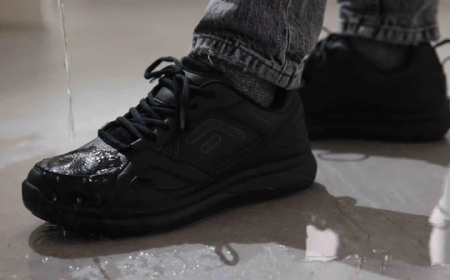
- Footwear: Sturdy, waterproof hiking boots with deep treads are essential. The path includes loose shale, wet grass, and uneven stone steps. Avoid trail runners or casual shoes.
- Layered Clothing: Wear moisture-wicking base layers, an insulating mid-layer (fleece or down), and a wind- and waterproof outer shell. Even in summer, temperatures can drop significantly near the cliffs.
- Backpack: A 1520L daypack with a hip belt helps distribute weight. Pack extra clothing, food, water, and emergency supplies.
- Navigation Tools: Carry a physical map (OS Explorer OL20) and a fully charged smartphone with offline maps downloaded via AllTrails or OS Maps app. Cell service is unreliable along much of the route.
- Other Essentials: Sunscreen, lip balm, hat, sunglasses, headlamp (even for day hikes, in case of delays), whistle, first-aid kit, and a lightweight emergency blanket.
Never underestimate the wind. It can make temperatures feel 1015C colder than the forecast suggests. Dress in layers you can easily remove or add as conditions change.
4. Begin at Hartland Quay: The First Mile
Start your hike from the small car park near The Hartland Quay Inn. Look for the brown tourist sign pointing to the South West Coast Path. The initial stretch follows a quiet lane past cottages and a small church before ascending gently onto the cliff top via a well-defined footpath.
The first 0.5 miles are relatively flat and easy, allowing you to acclimate. As you climb, youll be rewarded with your first sweeping views of the Atlantic Ocean, the rocky outcrops of the coastline, and the distant silhouette of Hartland Point Lighthouse. Take your time herethis is where many hikers pause for photos and to adjust their packs.
Watch for the distinctive red-and-white striped lighthouse in the distance. It will serve as your constant visual reference point for the next few miles.
5. Navigate the Cliff Edge and Key Landmarks
From the first ridge, the path becomes more exposed. The trail hugs the cliff edge for approximately 2.5 miles, offering uninterrupted views of the sea below. This section requires full attentionthere are no guardrails, and the drop is steep in places.
Key landmarks along this stretch:
- Devils Fingers: A series of jagged rock pinnacles jutting from the cliff face. Best viewed from the designated viewpoint to the west of the path. Do not attempt to climb or approach too closelyrockfall is a real hazard.
- Black Rock: A dark, volcanic outcrop that stands out against the lighter limestone cliffs. This is a popular resting spot with flat stones ideal for a snack break.
- St. Nectans Kieve Viewpoint: A lesser-known but stunning overlook where the path dips slightly inland. This is where the coastal geology becomes most visiblelayers of sedimentary rock tell a story of ancient seas and tectonic shifts.
Stay on the marked path at all times. Erosion has created fragile edges in several areas, and unofficial shortcuts can lead to dangerous falls. The National Trust and Cornwall Wildlife Trust maintain this section, and signs are posted to warn of erosion risks.
6. Ascend to Hartland Point Lighthouse
The final 1.2 miles involve a steady climb up to Hartland Point Lighthouse, the highest point on the trail at 108 meters above sea level. The path here becomes steeper and more uneven, with sections of exposed root and loose gravel. Take your time and use trekking poles if you have them.
The lighthouse, built in 1874, is still active and operated by Trinity House. While the interior is not open to the public, the surrounding grounds offer the most expansive 360-degree views on the entire route. You can see as far as the Bristol Channel to the south and the Welsh coast to the north.
Take time here to rest, hydrate, and absorb the solitude. This is one of the most remote and wind-swept locations in England. The sound of the waves crashing against the rocks below is a constant, rhythmic presence.
7. Return or Continue: Planning Your Descent
You have two options for completing your hike:
- Round Trip: Retrace your steps back to Hartland Quay. This adds 9 miles total and is best suited for experienced hikers with ample daylight and energy.
- One-Way with Transport: Arrange a pre-booked taxi or shuttle service to pick you up at Hartland Point and drop you at Hartland Quay. Local drivers familiar with the area can be found via the Hartland Village website or through recommendations at The Hartland Quay Inn.
If returning the same way, allow 45 hours total for the round trip, including breaks. Do not attempt to rush the descentfatigue increases the risk of slips on the rocky path.
8. Post-Hike Recovery and Reflection
After your hike, rehydrate with water or an electrolyte drink. The coastal air is dry, and wind exposure can lead to unnoticed dehydration. Eat a balanced meal rich in protein and complex carbohydrates to aid muscle recovery.
Take a moment to reflect on your experience. The Hartland Quay Cliffs are not just a physical journeythey are a spiritual one. Many hikers report a deep sense of calm and connection to nature after completing the trail. Consider journaling your thoughts or sketching the landscape to deepen the memory.
Best Practices
Respect the Environment
The Hartland Quay Cliffs are part of a Site of Special Scientific Interest (SSSI) and a Special Area of Conservation (SAC). The grasslands support rare orchids, and the cliffs are nesting grounds for seabirds including peregrine falcons, guillemots, and razorbills.
Follow these principles:
- Stay on marked paths to prevent soil erosion and protect fragile plant life.
- Do not pick flowers, disturb nesting birds, or collect rocks or shells.
- Carry out all trash, including food wrappers, fruit peels, and biodegradable items. Organic waste can disrupt local ecosystems.
- Keep dogs on a short leash (no longer than 2 meters) and under control at all times. Many sheep graze in the area, and dogs can cause stress or injury to livestock.
Practice Leave No Trace Principles
Leave No Trace is not just a sloganits a survival ethic for coastal hiking.
- Plan Ahead: Know the route, weather, and regulations before you leave.
- Travel on Durable Surfaces: Stick to the path, even if its muddy. Creating new trails damages vegetation and accelerates erosion.
- Dispose of Waste Properly: Use a portable toilet or dig a cathole at least 200 feet from water sources if nature calls. Never bury toilet paperpack it out.
- Minimize Campfire Impacts: No fires are permitted on the cliffs. Use a portable stove if you plan to cook.
- Respect Wildlife: Observe animals from a distance. Do not feed them. Even small interactions can alter their natural behavior.
- Be Considerate of Others: Keep noise levels low. This is a place of quiet reflection. Yield to other hikers on narrow sections.
Understand the Risks and How to Mitigate Them
The Hartland Quay Cliffs are not dangerous if approached with cautionbut they can be deadly if underestimated.
- Cliff Edge Hazards: The path is narrow and unfenced. Never sit or lean on the edge. Rocks can be loose, and wind gusts can push you off balance.
- Weather Shifts: Fog can roll in without warning, obscuring the path. If visibility drops below 20 meters, stop, assess, and turn back if necessary.
- Slippery Surfaces: Wet grass, moss-covered rocks, and tidal spray make the trail treacherous. Walk slowly and test each step.
- Isolation: There are no villages or services along the trail. Tell someone your planned route and expected return time.
- Health Conditions: If you have heart, respiratory, or mobility issues, consult your doctor before attempting this hike. The elevation and wind can exacerbate existing conditions.
Photography and Drone Use
The cliffs are a photographers paradise. Golden hoursunrise and sunsetcasts a warm glow over the sea and rocks, creating dramatic shadows and colors.
However, drone use is strictly prohibited within 50 meters of the cliff edge and over wildlife habitats without a special permit from Natural England. Even if youre not flying over the trail, the noise can disturb nesting birds. Stick to handheld cameras and tripods, and be mindful of other hikers when setting up shots.
Tools and Resources
Recommended Maps and Apps
- Ordnance Survey Explorer OL20: The definitive paper map for the South West Coast Path in this region. Waterproof and highly detailed.
- OS Maps App (iOS/Android): Subscription-based app with offline map downloads, live GPS tracking, and trail overlays. Essential for navigation without cell service.
- AllTrails: User-submitted trail reviews, photos, and real-time conditions. Search for Hartland Quay to Hartland Point for recent updates.
- UK Met Office Coastal Forecast: Provides wind speed, wave height, and visibility for the North Devon coast.
- Tide Times App: Accurate tide predictions for Hartland Quay and surrounding areas.
Local Organizations and Support
Several organizations maintain and protect the trail:
- South West Coast Path Association: Offers trail guides, volunteer opportunities, and safety tips. Visit their website for downloadable PDFs of the Hartland section.
- National Trust Hartland Coast: Manages access points, signage, and erosion control. They also host seasonal guided walks.
- North Devon Council Countryside Service: Provides updates on path closures due to weather or wildlife protection.
- Wildlife Trusts: The Devon Wildlife Trust runs conservation projects in the area and offers educational resources on local flora and fauna.
Recommended Reading and Media
Deepen your appreciation with these resources:
- Coastal Britain: A Walkers Guide by Mike Birkett Includes a detailed chapter on the North Devon cliffs.
- The Old Ways: A Journey on Foot by Robert Macfarlane A poetic exploration of British footpaths, including reflections on isolation and landscape.
- Documentary: Britains Wild Coast (BBC Two) Features a segment on Hartland Point and its ecological significance.
- Podcast: The Long Walk Episode 17: Cliffs of the North Devon Coast Interviews with local rangers and historians.
Where to Stay
For those planning an overnight stay, consider these options:
- The Hartland Quay Inn: A traditional pub with rooms offering sea views and hearty local meals.
- Hartland Lodge: A family-run B&B located 1 mile inland, with free parking and breakfast included.
- Camping: The nearest official campsite is Hartland Park Caravan & Camping Site, 3 miles from the quay. Book aheadspaces are limited.
Real Examples
Case Study 1: Sarahs Solo Hike Spring Sunrise
Sarah, a 34-year-old wildlife photographer from Bristol, hiked the Hartland Quay Cliffs alone in early May. She started at 5:30 a.m. to capture the sunrise over the lighthouse. She carried a 12L pack with two liters of water, a thermos of tea, a sandwich, and her camera gear.
She followed the OS map closely and stayed on the path despite the mist that rolled in around mile 2.5. She paused at Black Rock to photograph a peregrine falcon circling above. She reached the lighthouse at 8:15 a.m. and spent 45 minutes taking photos before beginning her return.
Sarah noted that the wind was stronger than forecasted but manageable with her waterproof shell. She finished the hike at 11:30 a.m., feeling energized and deeply connected to the landscape. She later posted her photos on Instagram with the hashtag
HartlandCliffs and received over 10,000 views, sparking interest among fellow hikers.
Case Study 2: The Thompson Family Multi-Generational Hike
The Thompsonsa family of four including two children aged 9 and 12hiked the route in September. They started at Hartland Point and walked toward the quay, planning to be picked up by a local taxi.
To make the hike accessible for the children, they took frequent breaks at viewpoints, played spot the bird, and used a scavenger hunt list from the National Trust website. They packed energy bars, fruit, and a small first-aid kit.
The children were fascinated by the rock formations and asked questions about how the cliffs were formed. The parents used the opportunity to teach geology basics. The hike took 5 hours total, with 90 minutes of rest time.
They later wrote a blog post titled Hiking with Kids on the Wild Edge: Our Hartland Adventure, which became a popular resource for families seeking accessible coastal walks.
Case Study 3: The Emergency Rescue Winter Storm
In December, a group of three hikers from Manchester ignored weather warnings and attempted the hike during a storm. Visibility dropped to near zero, and one hiker slipped on wet rock, twisting an ankle.
They used their emergency whistle to signal for help. A passing ranger heard the whistle and contacted the Coastguard. A rescue team arrived within 40 minutes via 4x4 vehicle and carried the injured hiker to safety.
Post-incident reports highlighted that none of the hikers had a map, phone battery was dead, and they were wearing running shoes. The incident led to increased signage along the trail and a local campaign titled Dont Risk the Cliffs.
FAQs
Is the Hartland Quay Cliffs hike suitable for beginners?
Yes, but only for beginners who are physically fit and well-prepared. The trail is not technically difficult, but the exposure, uneven terrain, and weather make it challenging for those unfamiliar with coastal hiking. Start with a shorter sectionsuch as from Hartland Quay to Black Rock (1.5 miles)before attempting the full route.
Are dogs allowed on the trail?
Yes, dogs are permitted but must be kept on a short leash at all times. This is to protect nesting birds, grazing sheep, and other hikers. Always clean up after your dog and carry waste bags.
Can I camp on the cliffs?
No. Wild camping is prohibited along the Hartland Quay Cliffs. The land is privately owned and protected under conservation law. Use designated campsites like Hartland Park Caravan & Camping Site.
How long does the hike take?
On average, 3.5 to 4.5 hours for a one-way hike. Allow 56 hours for a round trip, including rest and photo stops. Allow extra time in poor weather or if hiking with children.
Is there cell phone reception?
Spotty at best. You may get brief signals near Hartland Quay and at the lighthouse, but the majority of the trail has no coverage. Download offline maps and carry a physical map.
Are there restrooms along the trail?
No. The nearest facilities are at Hartland Quay and Hartland Point Lighthouse (public toilets near the car park). Use them before you start.
What should I do if I see a seal or dolphin?
Observe quietly from a distance. Do not approach, attempt to feed, or enter the water. Seals rest on rocks below the cliffs, especially in winter. Dolphins are often seen offshorebinoculars are ideal for viewing.
Is the trail accessible for wheelchairs or strollers?
No. The trail is steep, rocky, and narrow with no paved sections. It is not wheelchair or stroller accessible. Consider visiting Hartland Quay village or the lighthouse car park for accessible viewpoints.
Can I swim at Hartland Quay?
Swimming is not recommended. The waters are cold, unpredictable, and have strong riptides. There are no lifeguards. The quay is for viewing and photography only.
What is the best time of year to see wildflowers?
May and June are peak bloom times. Look for sea thrift, rock rose, and early purple orchids along the cliff top. Late spring also brings the highest bird activity.
Conclusion
Hiking the Hartland Quay Cliffs is more than a physical journeyits a pilgrimage through time, geology, and natural beauty. The trail offers no grand monuments or man-made wonders, yet its power lies in its raw, unfiltered authenticity. The wind, the waves, the silence, the birds, the rocksthey speak in a language older than words.
By following the steps outlined in this guide, you honor not only your own safety but also the fragile ecosystem that makes this place so extraordinary. Prepare thoroughly, respect the land, and walk with intention. You are not just visiting a trailyou are becoming part of its story.
Whether you come for the sunrise over the Atlantic, the solitude of the cliff edge, or the quiet thrill of standing where few have walked, the Hartland Quay Cliffs will leave an imprint on your spirit. Return often. Each season reveals a new face of this ancient coast.
Go lightly. Go wisely. And above allgo with wonder.