
























How to Hike the Chains Gorge Waterfall
How to Hike the Chains Gorge Waterfall The Chains Gorge Waterfall is one of the most breathtaking yet under-the-radar natural wonders in the Pacific Northwest, nestled deep within the rugged terrain of the Cascade Range. Unlike more commercialized waterfalls that draw crowds and commercial infrastructure, Chains Gorge offers an authentic, immersive wilderness experience — a journey through moss-la

How to Hike the Chains Gorge Waterfall
The Chains Gorge Waterfall is one of the most breathtaking yet under-the-radar natural wonders in the Pacific Northwest, nestled deep within the rugged terrain of the Cascade Range. Unlike more commercialized waterfalls that draw crowds and commercial infrastructure, Chains Gorge offers an authentic, immersive wilderness experience a journey through moss-laden forests, over slick rock ledges, and past cascading tiers of water that plunge into emerald pools. Hiking the Chains Gorge Waterfall is not merely a walk in the park; its a deliberate, rewarding expedition that demands preparation, respect for nature, and a spirit of adventure. For outdoor enthusiasts seeking solitude, raw beauty, and a true connection with the natural world, this trail delivers in spades. This guide provides a comprehensive, step-by-step roadmap to safely and successfully complete the hike, ensuring you return not only with unforgettable memories but with the knowledge to protect this fragile ecosystem for future generations.
Step-by-Step Guide
Hiking the Chains Gorge Waterfall is a multi-stage journey that requires careful planning, physical readiness, and attention to trail markers. Below is a detailed, phase-by-phase breakdown of what to expect and how to navigate each segment of the trail.
Phase 1: Pre-Hike Preparation
Before setting foot on the trail, preparation is non-negotiable. The Chains Gorge trailhead is located approximately 12 miles from the nearest town, with no cell service along the route. Begin by researching the current trail conditions through official park websites or regional hiking forums. Weather in the Cascades can shift rapidly even in summer, rain is frequent, and trails can become muddy or slippery. Check the 72-hour forecast and avoid hiking during or immediately after heavy rainfall, as flash flooding is a real risk in the gorge.
Obtain any required permits. While the Chains Gorge area is managed by the U.S. Forest Service and does not currently require a fee for day use, a Northwest Forest Pass is mandatory for parking at the trailhead. This pass can be purchased online through the Forest Service website or at local ranger stations in nearby towns like Leavenworth or Stevens Pass. Print a copy or save it digitally on your phone rangers do conduct random checks.
Plan your timing. The full hike is approximately 7.8 miles round-trip with an elevation gain of 1,400 feet. Most hikers complete it in 4.5 to 6 hours, depending on pace and stops. Start early ideally by 7:00 a.m. to avoid afternoon thunderstorms and to ensure you have ample daylight for the return journey. The trail is not lit, and descending in the dark on slick rocks is extremely hazardous.
Phase 2: Reaching the Trailhead
The official trailhead for Chains Gorge Waterfall is located at the end of Forest Road 730, also known as the Chains Gorge Access Road. From Leavenworth, take State Route 2 to the Stevens Pass Highway (US-2), then turn onto Forest Road 730 approximately 8 miles east of the pass. The road is gravel and narrow, with several sharp turns and steep drop-offs. A high-clearance vehicle is recommended, though a standard sedan can make it in dry conditions drive slowly and avoid the road after rain.
Parking is available at the designated lot marked by a wooden sign reading Chains Gorge Trailhead. Do not park on the shoulder or block any gates. The lot accommodates about 15 vehicles; arriving early ensures a spot. There are no restrooms or water sources at the trailhead, so use facilities in town before you leave.
Phase 3: The First Mile Forest Path to the Gorge Entrance
The trail begins gently, winding through a dense old-growth forest of Douglas fir, western hemlock, and red cedar. The path is well-defined and marked with occasional yellow trail blazes on trees. Expect a soft, needle-covered floor underfoot, and watch for roots and mossy rocks that can trip unwary hikers. This section is relatively flat, with minimal elevation gain, making it ideal for warming up.
After 0.8 miles, youll reach a junction marked by a weathered wooden sign. Turn left toward Chains Gorge Waterfall. The right fork leads to a lesser-used route to Mount Kachess do not take it unless you are experienced with off-trail navigation. Stay on the main path.
As you continue, the forest begins to thin slightly, and the sound of running water grows louder. This is your first indication that youre nearing the gorge. Around the 1.2-mile mark, youll pass a small, unofficial viewpoint where hikers often pause to photograph the distant shimmer of water through the trees. Resist the urge to scramble off-trail the terrain here is unstable and eroded.
Phase 4: Entering the Gorge The Narrow Passage
This is where the hike transforms from a woodland stroll into an adventurous ascent. The trail narrows dramatically as it enters the heart of the gorge, flanked by towering basalt cliffs that rise over 200 feet on either side. The path here is carved into the rock face, sometimes no wider than a foot and a half. In places, chains and handrails have been installed for safety always use them. Do not attempt to bypass them.
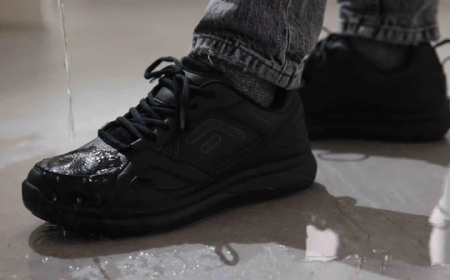
Water seeps continuously from the cliffs, creating constant dampness. Wear waterproof footwear with aggressive tread trail runners are insufficient. Gaiters are highly recommended to keep mud and spray out of your boots. The air temperature drops noticeably here, even on warm days, due to the canyons microclimate.
At 1.8 miles, youll encounter the first of several cascading waterfalls feeding into the gorge. The water here is crystal clear and cold do not attempt to drink it without purification. A small wooden bridge crosses a tributary stream. Cross slowly, gripping the handrail. The bridge is sturdy but narrow; avoid rushing.
Phase 5: The Final Ascent To the Main Falls
The final 0.7 miles are the most strenuous. The trail becomes steep, with exposed roots and rocky steps requiring careful foot placement. Use trekking poles if you have them they reduce strain on your knees and improve balance on loose scree. There are no switchbacks here; the trail climbs directly up the gorge wall.
Watch for cairns rock piles placed by previous hikers to mark the path. In areas where the trail is faint or obscured by fallen branches, follow the cairns. Do not create new ones; they can mislead others.
At 2.5 miles, youll reach the base of the main waterfall Chains Gorge Falls. The water plunges over 85 feet in three distinct tiers, crashing into a deep, turquoise pool surrounded by ferns and lichen-covered boulders. The mist rises like a veil, catching the sunlight and creating frequent rainbows on clear days. This is your destination.
Take time to rest here. Find a safe, dry rock to sit on avoid sitting directly on wet stone, as it can cause hypothermia. Hydrate, snack, and enjoy the serenity. Take photos, but do not climb on the rocks near the edge. The cliff faces are slick and unstable, and several hikers have suffered serious injuries here due to missteps.
Phase 6: The Return Journey
Do not underestimate the return hike. Fatigue, wet conditions, and fading light make the descent more dangerous than the ascent. Begin your return by 1:00 p.m. at the latest to ensure youre back at the trailhead before dusk.
On the way down, pay extra attention to your footing. Many accidents occur on the return because hikers are distracted by conversation or photography. Stay focused. Use your trekking poles to test the ground ahead of each step. If you encounter a section that feels unstable, backtrack and find an alternate route do not guess.
As you exit the gorge and return to the forest path, youll notice how the sounds of the waterfall fade a subtle reminder of how isolated and pristine this place remains. When you reach the trailhead, take a moment to appreciate what youve experienced. Pack out everything you brought in. Leave no trace.
Best Practices
Hiking the Chains Gorge Waterfall is a privilege, not a right. The ecosystem here is delicate, and the trail sees relatively few visitors a fact that contributes to its magic. To preserve this experience for others and to ensure your own safety, adhere to these best practices.
Leave No Trace Principles
Follow the seven Leave No Trace principles rigorously:
- Plan ahead and prepare. Know the weather, trail conditions, and regulations. Bring enough food, water, and layers.
- Travel and camp on durable surfaces. Stay on the marked trail. Do not create shortcuts or trample vegetation.
- Dispose of waste properly. Pack out all trash, including food scraps, toilet paper, and hygiene products. There are no trash bins on the trail.
- Leave what you find. Do not pick flowers, carve names into trees, or collect rocks or feathers. Even small souvenirs disrupt the natural balance.
- Minimize campfire impact. Fires are prohibited along the entire trail. Use a portable stove if cooking.
- Respect wildlife. Observe animals from a distance. Do not feed them. Store food securely to avoid attracting bears or rodents.
- Be considerate of other visitors. Keep noise levels low. Yield to uphill hikers. Share viewpoints courteously.
Weather and Seasonal Awareness
The best time to hike Chains Gorge is late spring (MayJune) or early fall (SeptemberOctober). In spring, the waterfall is at its most powerful, fed by snowmelt. In fall, the foliage turns golden, and the crowds have thinned. Avoid July and August while the weather is warmer, the trail can be dusty, and water levels are lower, diminishing the waterfalls impact.
Winter hiking is not recommended. Ice, snow, and frozen rock make the trail impassable and deadly. Even in early spring, snowpack can linger in shaded areas carry microspikes if hiking before June.
Group Safety and Communication
Never hike alone. Even experienced hikers should travel with at least one companion. Inform someone not on the hike of your plans your intended route, start time, and expected return time. If you dont check in within 12 hours, they should contact local authorities.
Carry a fully charged phone, even if you expect no signal. It may still register a signal at higher elevations or near open clearings. Download offline maps using apps like Gaia GPS or AllTrails before you leave. A personal locator beacon (PLB) or satellite messenger like Garmin inReach is strongly advised for remote areas like this.
Hydration and Nutrition
Bring at least 2 liters of water per person. While the waterfall looks inviting, the water is not safe to drink untreated. It may contain giardia or other pathogens from upstream animal activity. Use a filter (e.g., Sawyer Squeeze), chemical treatment (iodine or chlorine dioxide), or a UV purifier (e.g., SteriPen). Carry electrolyte tablets or salty snacks to maintain sodium levels, especially on longer hikes.
Pack high-energy, non-perishable snacks: trail mix, energy bars, dried fruit, jerky. Avoid sugary candies they cause energy crashes. Eat small amounts regularly to maintain stamina, rather than waiting until youre exhausted.
Footwear and Clothing
Your gear can make or break your experience. Wear waterproof, ankle-supporting hiking boots with Vibram or similar aggressive tread. Socks should be moisture-wicking wool or synthetic blends and bring a spare pair. Change into dry socks at the trailhead if your feet get wet.
Dress in layers: moisture-wicking base layer, insulating mid-layer (fleece or down), and a waterproof outer shell. Even on sunny days, the gorges mist can soak you quickly. Avoid cotton it retains moisture and increases risk of hypothermia.
Bring a hat, gloves, and a lightweight neck gaiter. Sunscreen is still necessary UV rays reflect off water and rock. Sunglasses with UV protection reduce glare from wet surfaces.
Tools and Resources
Success on the Chains Gorge Waterfall hike depends on the right tools and reliable resources. Below is a curated list of essential equipment and digital tools that will enhance your safety, comfort, and enjoyment.
Essential Gear Checklist
- Waterproof hiking boots with ankle support
- Moisture-wicking socks (2 pairs)
- Waterproof jacket and pants
- Backpack (2030L capacity)
- Water filter or purification system
- Minimum 2 liters of water per person
- High-calorie snacks (energy bars, nuts, jerky)
- First aid kit (blister care, antiseptic, bandages, tweezers)
- Trekking poles (collapsible recommended)
- Headlamp with extra batteries
- Map and compass (even if using GPS)
- Whistle (for emergency signaling)
- Emergency blanket
- Multi-tool or knife
- Trash bag (for packing out waste)
- Northwest Forest Pass (displayed on dashboard)
Recommended Digital Tools
Technology can be a powerful ally on remote trails. Use these apps and websites to enhance your planning and navigation:
- Gaia GPS Offers detailed topographic maps, offline download capability, and user-generated trail notes. The Chains Gorge trail is marked with high accuracy.
- AllTrails Provides user reviews, photos, and recent trail condition updates. Search Chains Gorge Waterfall for real-time reports.
- Weather.gov (National Weather Service) The most reliable source for localized forecasts. Use the Point Forecast tool for coordinates near the trailhead.
- Garmin inReach Mini 2 A satellite communicator that allows two-way messaging and SOS alerts even without cell service. Highly recommended for solo hikers.
- USDA Forest Service Wenatchee National Forest Website Official updates on trail closures, fire restrictions, and permit requirements.
Books and Guides
For deeper context and historical background, consider these publications:
- Washington State Hiking Trails: A Guide to the Best 100 Hikes by Tom Stienstra Includes a detailed section on Chains Gorge with historical notes.
- Wilderness Navigation: Finding Your Way Using Map, Compass, Altimeter & GPS by Mike and Steve Burns Essential reading for off-trail confidence.
- Northwest Waterfalls: A Guide to the Best Cascades and Cascading Streams by Eric DeLony Profiles over 200 waterfalls, including Chains Gorges geology and hydrology.
Local Resources and Support
While there are no ranger stations directly on the trail, nearby towns offer invaluable support:
- Leavenworth Visitor Center Offers free trail maps, current condition reports, and advice from local outdoor guides.
- Stevens Pass Outdoor Store Staff are experienced hikers and can recommend gear suited to the gorges conditions.
- Washington Trails Association (WTA) Volunteers regularly maintain the Chains Gorge trail. Consider donating or volunteering to help preserve access.
Real Examples
Real-world experiences provide the most compelling insights. Below are three detailed accounts from hikers who completed the Chains Gorge Waterfall trek under different conditions illustrating the variability and unpredictability of the trail.
Example 1: The Spring Adventure Sarah and Mark
Sarah and Mark, both experienced backpackers from Portland, hiked Chains Gorge in early June. Wed seen photos of the waterfall online and assumed it would be easy, Sarah recalls. It wasnt. The trail was slick from snowmelt runoff, and the final climb felt like a rock climb. We used our trekking poles and clipped our carabiners to the chains that saved us.
They brought a 3-liter hydration bladder and a Sawyer filter. We drank from the stream at the base of the falls after filtering. The water was so cold it felt like a shock, but it tasted pure. They stayed for 45 minutes, taking photos and just listening to the roar. The silence between the waterfalls was even more powerful than the noise.
They returned to the trailhead by 3:30 p.m. and made it back to their car with daylight to spare. We didnt see another soul the entire day. Thats why well go back.
Example 2: The Solo Hiker James, 68
James, a retired teacher from Seattle, hiked the trail alone in September. Hed been diagnosed with early-stage arthritis and wanted to prove to himself he could still do it. I took it slow. I stopped every 20 minutes to stretch. I wore knee braces and used my poles like crutches.
He carried a Garmin inReach and pre-downloaded the Gaia GPS map. I told my daughter Id text her at the falls. I did. She said she cried when she saw the photo.
James didnt linger long at the waterfall. I didnt need to. I just needed to be there. To feel the mist on my face and know I still could. He returned to the trailhead by 2:00 p.m. and drove home in quiet satisfaction. It wasnt about the waterfall. It was about remembering Im still alive.
Example 3: The Family Hike The Chen Family
The Chen family parents and two children aged 9 and 12 attempted the hike in late July. We thought it would be a fun day out, says mother Mei. We didnt realize how steep the last part was. Our daughter got scared on the chains. We had to sit with her for 20 minutes until she calmed down.
They brought snacks, water, and a portable speaker which they turned off once they entered the gorge. The silence was overwhelming. The kids didnt complain after that. They just stared at the water.
They turned back before the main falls, reaching a safe overlook at the 2-mile mark. It wasnt the full hike, but it was enough. We saw a rainbow. We took pictures. We told our kids this is what nature looks like when no ones trying to sell you something.
They returned the next year and this time, they made it all the way.
FAQs
Is the Chains Gorge Waterfall hike suitable for beginners?
It is not recommended for absolute beginners. The trail includes steep, narrow sections with exposed drops and slick rock. Hikers should have prior experience on uneven, off-road terrain and be comfortable with moderate elevation gain. Families with older children (ages 10+) and physically fit adults can complete it with proper preparation.
Are dogs allowed on the Chains Gorge trail?
Yes, dogs are permitted but must be kept on a leash at all times. The trails rocky terrain and water crossings can be hazardous for paws. Bring extra water for your dog and pack out all waste. Some sections are too narrow for two people and a dog to pass safely plan accordingly.
Can I swim at the base of the waterfall?
No. Swimming is strictly prohibited. The water is dangerously cold, the currents are unpredictable, and the pool is fed by underground springs with hidden drop-offs. The rocks around the base are extremely slippery. Several rescue operations have been launched here over the past decade due to unauthorized swimming.
Is there cell service on the trail?
No. There is no reliable cell service from the trailhead to the falls. Do not rely on your phone for navigation or emergency calls. Carry a satellite communicator or personal locator beacon.
How long does the hike take?
Most hikers take between 4.5 and 6 hours round-trip, including time spent at the waterfall. Faster hikers may complete it in 4 hours; slower or more cautious hikers (including families) may take 7 hours or more.
Whats the best time of year to hike Chains Gorge?
May to June and September to October are ideal. Spring offers the most powerful water flow, while fall provides cooler temperatures and vibrant foliage. Avoid July and August due to heat and lower water levels. Winter hiking is not advised.
Do I need a permit to hike Chains Gorge?
No permit is required for day hiking. However, a Northwest Forest Pass is required for parking at the trailhead. These are available online or at local vendors.
Are there any dangerous animals in the area?
Bears (black bears) and mountain lions are present in the region, but encounters are rare. Store food in bear-resistant containers or hang it from a tree at least 10 feet off the ground and 4 feet from the trunk. Make noise while hiking to avoid surprising wildlife. Carry bear spray if youre concerned though its rarely needed on this trail.
What should I do if I get lost on the trail?
Stay calm. Stop moving. Use your map and compass to reorient yourself. If youre unsure, backtrack to the last known landmark. Activate your satellite messenger if you have one. Do not wander off-trail in search of help youll make it harder for rescuers to find you.
Can I camp near the waterfall?
No. Camping is prohibited within 0.5 miles of the waterfall or along the gorge trail. Designated campgrounds are available at nearby sites like the Kachess Lake Campground, 8 miles away. Overnight stays on the trail are not permitted.
Conclusion
Hiking the Chains Gorge Waterfall is more than a physical journey its a pilgrimage into the quiet heart of the Pacific Northwest wilderness. It demands respect, preparation, and humility. The trail does not reward haste; it rewards presence. Every step along the mossy path, every grip on the cold iron chains, every moment spent listening to the waters rhythm, connects you to something ancient and enduring.
This is not a destination to be checked off a list. It is an experience to be felt in your muscles, your breath, your silence. The waterfall does not care if you took the perfect photo or if you posted about it online. It simply exists, wild and unyielding, as it has for millennia.
By following this guide, you honor that legacy. You protect the trail, preserve its solitude, and ensure that others whether they are seasoned hikers or curious children will one day stand where you stood, feel the mist on their skin, and know, without words, that some places are too sacred to be taken lightly.
Go with care. Leave with gratitude. And when you return, tell others not to rush but to listen.