





















How to Experience St Michael's Mount Tide
How to Experience St Michael's Mount Tide St Michael’s Mount, perched dramatically on a tidal island off the coast of Cornwall, England, is one of the most iconic and spiritually resonant landmarks in the British Isles. Unlike typical castles or historic sites, its accessibility is governed by the rhythm of the tides — a natural phenomenon that transforms the island from a connected peninsula to a

How to Experience St Michael's Mount Tide
St Michaels Mount, perched dramatically on a tidal island off the coast of Cornwall, England, is one of the most iconic and spiritually resonant landmarks in the British Isles. Unlike typical castles or historic sites, its accessibility is governed by the rhythm of the tides a natural phenomenon that transforms the island from a connected peninsula to a solitary fortress surrounded by water. To experience St Michaels Mount at its most magical is to understand and align with the tide. This isnt merely about timing a visit; its about immersing yourself in the ancient interplay between land and sea, history and nature, human endeavor and cosmic cycles.
Many visitors arrive expecting a static attraction a castle to tour, a chapel to admire, gardens to stroll. But those who plan around the tide unlock a deeper, more profound encounter. Walking across the causeway as the sea recedes, or arriving by boat as the tide rises, creates a sensory and symbolic journey that echoes centuries of pilgrims, monks, and sailors who have made the same passage. Understanding how to experience St Michaels Mount tide means respecting the rhythm of the natural world, planning with precision, and embracing the transient beauty of the moment.
This guide provides a comprehensive, step-by-step approach to experiencing St Michaels Mount through the lens of the tide. Whether youre a first-time visitor, a photography enthusiast, a history buff, or a spiritual seeker, this tutorial will equip you with the knowledge to turn a routine visit into a memorable, meaningful experience. Youll learn how to time your arrival, navigate the causeway safely, choose the best viewing angles, and appreciate the cultural and ecological significance of this tidal phenomenon.
Step-by-Step Guide
Step 1: Understand the Tidal Pattern
St Michaels Mount is connected to the mainland by a natural granite causeway that is submerged at high tide and exposed at low tide. The tidal range in Mounts Bay is among the highest in the UK, often exceeding 10 meters (33 feet). This means the causeway can be completely underwater for several hours twice daily. The tide follows a semi-diurnal pattern two high tides and two low tides approximately every 24 hours and 50 minutes.
To plan your visit, you must consult a reliable tide table specific to Marazion, the village directly opposite the mount. Tide times vary daily and seasonally. In winter, high tide may occur around dawn or dusk, while in summer, it often falls during midday. Low tide windows when the causeway is accessible typically last between 2.5 to 4 hours, depending on the lunar cycle.
Always verify the tide times for your exact visit date. Do not rely on general estimates or memory. A difference of 30 minutes can mean the difference between walking across safely and being stranded.
Step 2: Choose Your Approach Walk or Boat
You have two distinct ways to reach St Michaels Mount: by foot across the causeway or by boat. The choice determines your experience.
Walking across the causeway: This is the traditional and most immersive method. Its free to walk (no ticket required until you reach the castle grounds), and the path is well-maintained with stone steps and handrails. The walk takes approximately 1015 minutes one way. Its ideal for those seeking connection with the landscape, the sound of waves receding, and the feeling of stepping through time.
Walking is only possible during low tide. Check the tide table for the exact window of safe passage. Never attempt to cross when the tide is rising or if the water is visibly encroaching. The rocks can be slippery, and the currents are strong. Children and elderly visitors should be accompanied and take extra care.
Taking the boat: When the tide is high, or if you prefer not to walk, a small passenger ferry operates from Marazion harbor to the island. The boat ride takes about 5 minutes and offers a unique perspective youll see the mount rise from the sea like a medieval dream. The boat runs on a fixed schedule aligned with the tide, so tickets must be purchased in advance during peak season. This method is ideal for photographers, those with mobility challenges, or anyone who wants to witness the dramatic transformation of the landscape.
Step 3: Time Your Visit for Optimal Conditions
The ideal time to visit is during the last two hours of low tide. This allows you to walk across when the causeway is fully exposed, spend ample time exploring the castle and gardens, and return before the tide begins to rise. Arriving too early in the low tide window may mean youre walking over damp, algae-covered rocks slippery and less scenic.
For photography enthusiasts, the golden hour one hour after sunrise or one hour before sunset during low tide offers the most dramatic lighting. The low angle of the sun casts long shadows across the causeway and illuminates the castles stonework in warm tones. If youre visiting in summer, aim for late afternoon low tide to combine the walk with sunset views over the bay.
In winter, low tide often occurs in the early morning. While the light may be softer and the crowds thinner, the weather can be harsh. Dress warmly, wear waterproof footwear, and check the weather forecast alongside the tide times. A misty morning with the mount emerging from fog can be an unforgettable, almost mystical experience.
Step 4: Prepare for the Walk
Even though the causeway is paved, its not a typical path. Its made of uneven granite slabs, some of which are worn smooth by centuries of footsteps and seawater. Heres what you need:
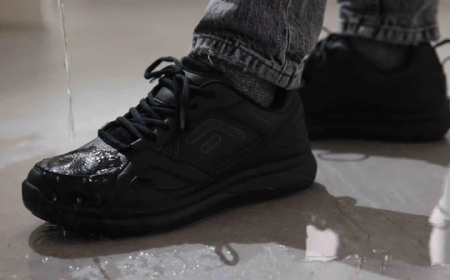
- Sturdy, non-slip footwear: Avoid sandals, heels, or smooth-soled shoes. Waterproof hiking boots or trail shoes with deep treads are ideal.
- Weather-appropriate clothing: Coastal weather changes rapidly. Bring a windproof and waterproof layer, even on sunny days. The sea breeze can be chilly.
- A small backpack: Carry water, a snack, sunscreen, and a camera. There are no shops on the causeway.
- A tide timer app or printed schedule: Keep it visible. Dont rely on phone battery life alone. Consider a physical backup.
Bring a walking stick if you have balance concerns. The rocks can be slick with seaweed, especially after rain. Children should be closely supervised the edges of the causeway drop into deep pools at low tide.
Step 5: Navigate the Castle and Gardens
Once on the island, youll find a medieval castle, a 12th-century chapel, a working village with a pub and shop, and beautifully maintained subtropical gardens. The castle is open to visitors during low tide hours and is managed by the St Aubyn family, who have lived there for over 600 years.
Plan to spend at least 23 hours on the island. The castle tour includes original furnishings, armor, and panoramic views from the battlements. The gardens, sheltered by the islands walls, are home to rare plants brought from around the world a surprising oasis in the rugged Cornish coast.
Dont miss the chapel, where pilgrims have prayed since the 8th century. The stained glass and stone carvings are exquisite. The views from the west-facing terrace looking back toward Marazion and the mainland are among the most photographed in Britain.
Step 6: Time Your Return
This is the most critical step. The tide does not wait. Once it begins to rise, the causeway becomes dangerous. The water doesnt just cover the path it rushes in with surprising speed, especially around the bends and pools.
Set a timer on your phone for 90 minutes before the next high tide. Use this as your deadline to begin your return. Even if youre enjoying the castle, prioritize your exit. The ferry will stop running once the tide rises too high, and the last boat departs approximately 30 minutes before high tide.
If youre walking back, leave at least 45 minutes before the tide begins to cover the path. Youll see signs posted by staff and locals warning of the rising tide. Pay attention to them. There are no second chances.
Step 7: Experience the Tides Transformation
After your visit, if time permits, return to Marazion harbor and watch the tide rise. Observe how the water creeps over the causeway, isolating the mount once more. The transformation is silent yet powerful. The sound of waves returns, the birdsong changes, and the island becomes a monument again not just to faith and feudalism, but to the enduring power of nature.
Many visitors return at dusk to witness this. The contrast between the bustling, accessible island during low tide and the solitary, enigmatic silhouette at high tide is deeply moving. Its a reminder of impermanence and of the cycles that have shaped human civilization for millennia.
Best Practices
Plan Ahead Dont Rely on Spontaneity
St Michaels Mount is one of the UKs most popular tourist destinations. During peak season (AprilSeptember), thousands visit daily. Without planning, you risk arriving just as the tide begins to rise, being turned away from the ferry, or missing the walking window entirely. Always check tide times at least 48 hours in advance. Bookmark a trusted source the official St Michaels Mount website or the UK Hydrographic Office tide tables.
Arrive Early Beat the Crowds
Arriving 3060 minutes before the causeway opens allows you to walk across in near solitude. The early morning light is soft, the air is crisp, and the path is dry and clean. Youll have the castle to yourself for the first hour of opening. This is especially valuable if youre photographing or seeking quiet reflection.
Respect the Environment
The tidal zone around St Michaels Mount is ecologically sensitive. The rocks are home to anemones, limpets, and rare seaweeds. Never step on exposed tidal pools or remove shells or stones. Stay on the designated path. Littering, even with biodegradable items, harms marine life. The local community and conservation groups work hard to preserve this area be part of the solution.
Learn the Local Lore
St Michaels Mount has deep roots in Celtic and Christian mythology. Legend says it was once the home of a giant named Cormoran, defeated by Jack the Giant Killer. Others believe it was a sacred site of the ancient Britons before St. Michael appeared to a fisherman in a vision, instructing him to build a chapel. Understanding these stories adds depth to your visit. Read up beforehand or pick up a guidebook at the visitor center.
Dress for the Weather Not Just the Season
Even in summer, the Cornish coast is often windy and damp. Temperatures can drop 10C (18F) faster than inland. Always carry a light rain jacket, even if the forecast is clear. Coastal fog rolls in unexpectedly. Layers are your friend.
Bring Cash and a Small Bag
While card payments are accepted in most places on the island, some smaller vendors and the boat ticket office prefer cash. Bring at least 20 in small denominations. Also, carry a small, collapsible bag youll likely want to bring home a souvenir, a book, or local honey from the islands shop.
Photography Tips
If youre capturing the experience, here are key tips:
- Use a wide-angle lens for shots of the causeway stretching toward the mount.
- Shoot during golden hour for warm tones and long shadows.
- Include people walking across to convey scale and movement.
- Use a tripod for sunset or sunrise shots the light fades quickly.
- Dont forget to put the camera down and experience the moment. Some of the best memories are the ones you dont photograph.
Accessibility Considerations
The causeway is not wheelchair-accessible due to its uneven surface and steps. However, the boat service is fully accessible and accommodates mobility aids. The castle has limited wheelchair access due to its historic structure, but audio guides and detailed floor plans are available. If you have mobility concerns, contact the site in advance to arrange assistance.
Tools and Resources
Official Tide Tables
The most accurate tide predictions for St Michaels Mount are available through:
- UK Hydrographic Office (UKHO) ukho.gov.uk provides official Admiralty tide tables with precision to the minute.
- St Michaels Mount Official Website stmichaelsmount.co.uk publishes daily tide times and ferry schedules, updated in real time.
- Surf Forecast surf-forecast.com offers tide graphs with swell data, ideal for photographers and surfers.
Mobile Apps
Download one or more of these apps before your visit:
- Tide Graph Simple, visual interface with tide curves and alerts.
- Windy Combines tide, wind, and weather in one map. Excellent for planning coastal visits.
- Google Maps Search St Michaels Mount tide times it often pulls from local data and displays the next low tide window.
Books and Guides
Deepen your understanding with these recommended reads:
- St Michaels Mount: A History by John P. T. H. St Aubyn The definitive historical account by the current family custodians.
- The Cornish Coast: A Natural History by David G. Smith Explores the ecology of the bay and its tidal systems.
- Myths and Legends of Cornwall by John T. H. Penrose Includes the legend of Jack the Giant Killer and the origins of the mounts sacred status.
Local Information Centers
Before you leave for the island, stop by the Marazion Visitor Centre. Staff are knowledgeable about current conditions, weather warnings, and any temporary closures. They often have printed tide charts and can advise on the best time to arrive based on todays conditions.
Weather and Wind Forecast Tools
Wind direction affects wave action on the causeway. Strong onshore winds can create choppy water even at low tide. Use:
- AccuWeather For localized forecasts.
- Met Office The UKs official meteorological service.
- Windfinder For wind speed and direction over Mounts Bay.
Audio Guides and Virtual Tours
For those who cannot visit in person, or as a preparatory tool:
- St Michaels Mount offers a free audio guide via their app, narrated by a local historian.
- Google Arts & Culture features a high-resolution virtual tour of the castle interiors and gardens.
- YouTube channels such as Cornwall Travel and Historic UK have documentary-style videos showing the tide transformation in real time.
Real Examples
Example 1: The Photographers Perfect Day
Emma, a landscape photographer from Bristol, planned her trip to St Michaels Mount for a late April weekend. She checked the tide table and found a low tide window from 3:15 PM to 7:00 PM. She arrived at 2:00 PM, walked across at 3:00 PM, and spent two hours exploring the castle. She positioned herself on the west terrace just before sunset, using a 24mm lens to capture the causeway as a dark ribbon leading to the glowing stone castle. The sky turned fiery orange, and the sea began to lap at the base of the path. She took 87 photos and only one, taken at 6:47 PM, became her award-winning entry in the National Landscape Photography Awards. The tide didnt just frame the shot, she says. It was the subject.
Example 2: The Family Who Missed the Tide
The Henderson family from Manchester arrived at 1:30 PM, excited to walk across. They didnt check the tide times, assuming the causeway was always open. By 4:00 PM, they were halfway to the island when they noticed the water rising rapidly. A local fisherman shouted a warning. They ran back, soaked to the knees, and missed the castle tour entirely. They took the ferry back the next day this time, after researching tide patterns. We learned the hard way, says their 10-year-old daughter. Now I check the tide app before every trip.
Example 3: The Spiritual Seeker
David, a retired teacher from Wales, visited St Michaels Mount after recovering from illness. He came alone, arriving at dawn during a spring low tide. He walked slowly, silently, feeling the cool stone beneath his feet. He spent an hour in the chapel, lighting a candle for his late wife. As the tide rose, he watched from the harbor, tears in his eyes. It felt like the sea was returning something to me, he wrote in his journal. Not a memory a presence. He returned every year since, always at low tide, always alone.
Example 4: The International Tourist
A group of Japanese tourists visited in October. They had read about the tidal island in a travel magazine and were determined to experience it. They arrived at 8:00 AM, timed perfectly with low tide. They took photos, followed the audio guide, and ate lunch at the islands caf. One member, a geology student, was fascinated by the granite formations. In Japan, we have islands too, she said, but none that change like this alive, breathing, following the moon. They left with postcards, a guidebook, and a new understanding of natural cycles.
FAQs
Can I walk across St Michaels Mount at any time of day?
No. The causeway is only accessible during low tide. The exact window varies daily and can last anywhere from 2.5 to 4 hours. Always check the official tide schedule before planning your visit.
Is it safe to walk across the causeway?
Yes, if you follow the guidelines. The path is well-maintained, but its slippery when wet. Never attempt to cross when the tide is rising, when visibility is poor, or if youre unsure. Follow local signage and advice.
Do I need to pay to walk across the causeway?
No. Walking across the causeway is free. You only pay for entry to the castle, chapel, and gardens once you reach the island. Boat tickets are separate and must be purchased at the harbor.
How long does it take to walk across the causeway?
Approximately 1015 minutes at a moderate pace. The path is about 500 meters long. Allow extra time if youre stopping to take photos or admire the tidal pools.
What happens if Im stuck on the island when the tide comes in?
The ferry service stops before high tide, so you wont be stranded. The island is fully staffed, and there are safe areas to wait. However, you will not be able to leave until the next low tide. Plan your return carefully to avoid this scenario.
Can I bring my dog?
Dogs are allowed on the causeway and in the gardens but must be kept on a lead. They are not permitted inside the castle or chapel. Water bowls are available at the entrance.
Are there guided tours available?
Yes. Free guided walks are offered daily during peak season, covering the history of the castle and the significance of the tide. Audio guides are available in multiple languages.
Is St Michaels Mount open in winter?
Yes, but with reduced hours. The castle and gardens typically open from 10 AM to 4 PM between October and March. The causeway is still accessible during low tide, but the boat service may run less frequently. Always check the website before traveling.
Can I swim around the island?
No. The waters around St Michaels Mount are strong, cold, and dangerous. Swimming is strictly prohibited for safety and conservation reasons.
Is there parking near the causeway?
Yes. There is a large paid parking lot in Marazion, a 5-minute walk from the causeway. During peak season, it fills quickly arrive early. Public transport, including buses from Penzance, is also available.
Conclusion
Experiencing St Michaels Mount through the tide is not a tourist activity it is a ritual. It is an invitation to slow down, to observe, to align with a rhythm older than any human structure. The causeway is not just a path; it is a threshold. The tide is not just water; it is time made visible.
By following the steps outlined in this guide understanding the tide, preparing appropriately, respecting the environment, and timing your visit with care you transform a simple visit into a profound encounter. You become part of a lineage of pilgrims, artists, and seekers who have crossed that same path for over a thousand years.
St Michaels Mount does not yield its secrets to the hurried. It reveals itself to those who wait, who watch, who listen. The sea will rise. The stones will be covered. The island will stand alone again. But in that fleeting window when land meets sea, and history meets the present you will feel something timeless. That is the true experience of St Michaels Mount tide.
Plan wisely. Arrive with reverence. Leave with wonder.