






















How to Experience Oxford University Punting
How to Experience Oxford University Punting Oxford University punting is more than a leisurely activity—it is a timeless ritual that connects visitors with centuries of academic tradition, serene river landscapes, and the quiet elegance of one of the world’s most storied cities. Punting, the act of propelling a flat-bottomed boat called a punt along the River Cherwell or the River Cam using a long

How to Experience Oxford University Punting
Oxford University punting is more than a leisurely activityit is a timeless ritual that connects visitors with centuries of academic tradition, serene river landscapes, and the quiet elegance of one of the worlds most storied cities. Punting, the act of propelling a flat-bottomed boat called a punt along the River Cherwell or the River Cam using a long pole, is deeply woven into the fabric of Oxfords cultural identity. While often associated with Cambridge, Oxfords version of this pastime offers its own unique charm: historic college backdrops, hidden gardens, and the gentle rhythm of a summer afternoon on the water. For travelers, students, and history enthusiasts, experiencing Oxford punting is not merely a tourist attractionit is an immersive encounter with the soul of the university city.
This guide provides a comprehensive, step-by-step walkthrough of how to experience Oxford University punting with confidence, authenticity, and deep appreciation. Whether youre a first-time visitor or a returning scholar, this tutorial will equip you with the knowledge to navigate the logistics, understand the etiquette, and maximize the emotional and aesthetic rewards of your journey. From choosing the right time of day to mastering the subtle art of pole propulsion, every detail matters. This is not just about getting on a boatits about becoming part of a living tradition.
Step-by-Step Guide
1. Understand What Punting Is
Before stepping onto the riverbank, its essential to grasp the fundamentals of punting. A punt is a long, narrow, flat-bottomed boat with square ends, designed for shallow waters. Unlike rowboats or canoes, punts are propelled not by oars but by a single poletypically made of aluminum or woodthat is pushed against the riverbed. The punter stands at the stern (back) of the boat and uses the pole to push off the bottom, moving the vessel forward in a controlled, gliding motion. The technique requires balance, timing, and a gentle touchtoo much force causes the boat to spin or lurch, while too little results in stagnation.
In Oxford, punting is most commonly enjoyed on the River Cherwell, which flows through the grounds of several historic colleges, including Magdalen, Christ Church, and Somerville. The River Cam, more famously associated with Cambridge, is rarely used for punting in Oxford. The Cherwell offers a calmer, more intimate experience, with tree-lined banks and secluded meadows that contrast beautifully with the stone architecture of the colleges.
2. Choose Your Punting Location
Oxford offers multiple access points for punting, each with its own character and advantages. The three primary launch sites are:
- Christ Church Meadow This is the most popular and picturesque location, offering views of Christ Church Colleges grand gates and the iconic Tom Tower. The meadow itself is a protected green space used by locals for picnics and walks, making it an ideal starting point for a scenic journey.
- Magdalen Bridge Boathouse Located just south of Magdalen Bridge, this is the most centrally located and easily accessible point. Its ideal for those staying in the city center and offers quick access to the upper Cherwell.
- Boathouse Lane (near Somerville College) A quieter, more local option, this launch site is favored by students and those seeking a less crowded experience. It provides access to the lower Cherwell and passes by charming riverside cottages and hidden gardens.
For first-timers, Christ Church Meadow is highly recommended. Its combination of accessibility, beauty, and proximity to amenities makes it the perfect introduction to the experience.
3. Book or Rent Your Punt
Punts are not available for spontaneous, unregulated use. All punting in Oxford is managed through licensed operators. You can either rent a punt for self-propulsion or book a guided tour. Both options have distinct benefits.
Self-Punted Rentals: Ideal for those who want freedom, privacy, and the challenge of learning the technique. Rentals typically cost between 2035 per hour, depending on the season and group size. Most operators provide a pole, life jacket (mandatory), and a brief 510 minute orientation. Youll be expected to sign a liability waiver, and operators may ask you to demonstrate basic balance before releasing the boat.
Guided Tours: Perfect for those who prefer to relax and absorb the history. A professional punteroften a current or former Oxford studentwill steer the boat while narrating stories about the colleges, alumni, and local legends. Guided tours range from 4070 per person and last between 45 minutes to 1.5 hours. Many include commentary on the architecture, famous graduates, and even literary connections (such as Lewis Carrolls ties to the area).
Booking in advance is strongly advised, especially between April and September. Use the official websites of operators like Christ Church Punting, Magdalen Bridge Boathouse, or Cherwell Punting to reserve your slot. Avoid third-party vendors who may not be licensed or insured.
4. Prepare for Your Trip
What you bring matters almost as much as when you go. Heres a checklist for optimal preparation:
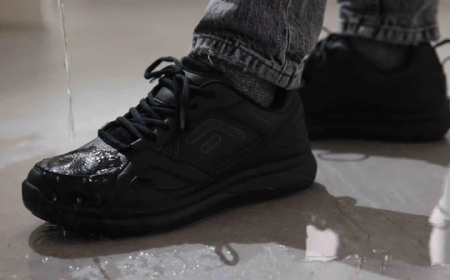
- Weather-appropriate clothing: Oxfords weather is unpredictable. Even on sunny days, the river breeze can be cool. Layer with a light waterproof jacket, and wear closed-toe shoes with non-slip solessandals or heels are dangerous on wet wooden decks.
- Water and snacks: Most punts dont have storage, but you can bring a small backpack with water, fruit, or sandwiches. Avoid glass containers.
- Camera or smartphone: The scenery is extraordinary. Capture the golden light reflecting off the water, the spires of New College, and the swans gliding beneath the willows. A tripod or stabilizer is unnecessarythe movement of the punt adds charm to candid shots.
- Sun protection: In summer, UV levels can be high on open water. Apply sunscreen, wear a hat, and consider UV-blocking sunglasses.
- Patience and a sense of humor: First-time punters often spin in circles, bump into reeds, or accidentally poke the pole into the mud. Embrace the mishapstheyre part of the tradition.
5. Launch and Learn the Technique
Once youve boarded your punt, your operator will give you a quick demonstration. Heres how to replicate it:
- Stand correctly: Position yourself at the stern, feet shoulder-width apart, knees slightly bent. Keep your back straight and center your weight over the boats midpoint.
- Hold the pole: Grip the pole with one hand near the top and the other about halfway down. The pole should be vertical when youre not pushing.
- Lower the pole: Gently lower the pole until the flat end touches the riverbed. Dont force itlet gravity do the work.
- Push backward: Using your legsnot your armspush the pole firmly backward. The motion should be smooth and controlled. As you push, shift your weight slightly forward to maintain balance.
- Recover the pole: As the boat glides forward, lift the pole out of the water and swing it gently forward to prepare for the next stroke. Dont rush this motion; fluidity is key.
Practice makes perfect. Most people get the hang of it within 510 minutes. If youre struggling, ask your operator for a second demonstration. Remember: the goal isnt speedits grace.
6. Navigate the River
Once youre moving, follow these navigation tips:
- Stay to the right: Just like road traffic, punts generally keep to the right side of the river to avoid collisions.
- Watch for bridges: Low bridges, such as the one near Magdalen College, require you to crouch or lower your pole. Always check clearance before approaching.
- Avoid the center: The middle of the river is deeper and has stronger currents. Stay close to the banks for easier propulsion and better views.
- Respect private property: Many stretches of the riverbank are part of private college grounds. Do not attempt to land or trespass.
- Watch for wildlife: Swans, ducks, and even kingfishers are common. Give swans a wide berththey are protected and can be aggressive if they feel threatened.
7. Enjoy the Scenery and History
As you glide past the colleges, take time to observe the architecture and listen to the stories. Key landmarks include:
- Magdalen College: Famous for its deer park and the tower where the May Morning choir sings at dawn.
- Christ Church Meadow: The meadow itself is a designated Site of Special Scientific Interest. Look for the ancient oaks and the statue of John Henry Newman.
- New College: One of the oldest colleges, founded in 1379. Its cloisters inspired parts of Hogwarts in the Harry Potter films.
- St. Johns College: Known for its beautiful bridge and the Bridge of Sighs, which connects two parts of the college over the river.
- The Wardens Garden (at New College): A hidden gem accessible only by water. The garden is open to the public on select daysask your guide if its accessible during your trip.
Many guided tours include recitations of poetry or excerpts from Oxford authors like J.R.R. Tolkien, C.S. Lewis, and Oscar Wilde. Even if youre punting solo, bring a printed copy of The Wind in the Willows by Kenneth Grahamea book that immortalized punting on the Thames and Cherwell.
8. Return and Reflect
When your time is up, return to the launch point and carefully dock your punt. Most operators will assist you in securing the boat. Take a moment to reflectnot just on the technique youve learned, but on the atmosphere youve absorbed. The stillness of the water, the rustle of the reeds, the distant chime of a college bellall contribute to a rare sense of peace.
Consider writing a brief note or journal entry about your experience. Many visitors return year after year, drawn not by the novelty but by the emotional resonance of the moment. Punting is not a checklist itemits a memory you carry.
Best Practices
Timing Is Everything
The best time to punt is early morning or late afternoon, particularly during the spring and summer months (April to September). Between 810 a.m., the river is quiet, the light is soft, and the air is cool. Late afternoon, just before sunset, offers golden-hour photography conditions and fewer crowds. Avoid midday in peak seasonespecially weekendswhen the river can become congested.
Weekdays are significantly less crowded than weekends. If youre seeking solitude, aim for Tuesday through Thursday. Evenings are rarely available for punting due to safety regulations and reduced daylight.
Respect the Environment
Oxfords rivers are ecologically sensitive. Never litter. Do not feed the wildlifebread is harmful to ducks and swans. Avoid using single-use plastics. Many operators now provide reusable water bottles or encourage guests to bring their own. Stay on designated routes and avoid disturbing nesting birds or fragile riverbank flora.
Group Size Matters
Most punts accommodate 46 people comfortably. Larger groups should split into multiple boats. Overcrowding destabilizes the punt and increases the risk of capsizing. If youre bringing children, ensure they are supervised at all times and seated in the center of the boat, away from the edges.
Learn the Etiquette
Punting is steeped in tradition. Here are key courtesies:
- Do not play loud music. The river is a place of quiet contemplation.
- Do not attempt to race other punters. This is not a sportits a meditation.
- If you encounter a guided tour, yield the right of way. They often have limited maneuverability.
- Do not climb on bridges or railings to take photos. This is dangerous and disrespectful.
- If you see someone struggling to punt, offer a polite word of encouragementnot unsolicited advice.
Weather and Safety
Punting is suspended during high winds, heavy rain, or thunderstorms. Operators monitor river conditions closely. If your trip is canceled due to weather, most companies offer a full refund or rescheduling. Never attempt to punt alone if youre inexperienced. Always wear the provided life jacketeven strong swimmers are required to do so.
Photography and Social Media
While its tempting to capture every moment, avoid blocking the river with selfie sticks or tripods. Use your phones stabilization feature. If posting on social media, tag the official punting operator and use hashtags like
OxfordPunting or #CherwellRiver to support local businesses and promote responsible tourism.
Tools and Resources
Official Punting Operators
Only book through licensed providers. These are the most reputable and trusted:
- Christ Church Punting Website: christchurchpunting.co.uk. Offers self-rentals and guided tours. Located in Christ Church Meadow. Known for excellent customer orientation.
- Magdalen Bridge Boathouse Website: magdalenbridgeboathouse.co.uk. Centrally located, open daily. Offers family packages and evening lights tours in summer.
- Cherwell Punting Website: cherwellpunting.co.uk. Specializes in private bookings and custom routes. Ideal for couples or small groups seeking exclusivity.
Mobile Apps and Digital Guides
While on the river, these digital tools enhance your experience:
- Oxford University App (by Visit Oxford) Includes an interactive map of punting routes, historical points of interest, and real-time weather updates.
- Google Arts & Culture Oxford Colleges Offers 360-degree virtual tours of college interiors and gardens youll pass by. Download offline before your trip.
- MapMyWalk (by Under Armour) Use to track your route along the riverbank if you decide to walk part of the path before or after punting.
Books and Literature
Deepen your understanding with these essential reads:
- The Wind in the Willows by Kenneth Grahame The quintessential literary portrayal of punting and riverside life.
- Three Men in a Boat by Jerome K. Jerome A humorous 19th-century account of a punting trip along the Thames, with parallels to Oxfords Cherwell.
- Oxford: A Cultural History by John Martin A richly illustrated overview of the citys academic and social evolution, including chapters on river traditions.
- The Secret History of Oxford by Lucy Worsley Explores lesser-known stories of students, scholars, and river rituals.
Seasonal Events
Plan your visit around these annual events for a unique twist:
- May Morning (May 1st) Though not a punting event, the dawn chorus from Magdalen Tower is best viewed from the river. Some operators offer pre-dawn trips during this time.
- Oxford Literary Festival (March/April) Many events are held riverside. Some guided punts include readings by visiting authors.
- Summer Lights Punting (JulyAugust) Electric lanterns are placed along the banks for an enchanting evening experience.
Real Examples
Example 1: A Students First Punt
Emma, a first-year student from Canada, arrived in Oxford with a list of must-do activities. Punting was near the bottomuntil she saw photos of the Cherwell at sunset. She booked a self-rental at Magdalen Bridge Boathouse on a Wednesday afternoon. I spent 20 minutes spinning in circles, she recalls. I kept hitting the reeds. But then, suddenly, I got it. The boat just glided. I passed New College and saw a group of students reading poetry under a tree. I didnt speak to them, but we smiled. Thats when I knew why people come back here. She returned three more times during her year, each time with a different friend.
Example 2: A Familys Memory
The Henderson family from Texas visited Oxford during their European tour. They booked a two-hour guided punt with Christ Church Punting. Their 10-year-old daughter, Lily, was initially unimpressed. I thought it was boring, she admitted. But when the guide told the story of how Lewis Carroll (Charles Dodgson) used to punt here with Alice Liddelland how the Mad Hatters tea party was inspired by a picnic on the riverbankLily became transfixed. I didnt know books could be real, she said afterward. The family still talks about that afternoon. Theyve since gifted Lily a first edition of Alices Adventures in Wonderland.
Example 3: A Wedding Proposal on the Water
James, a former Oxford graduate, proposed to his girlfriend, Sofia, during a private sunset punt arranged through Cherwell Punting. He hired a musician to play a violin rendition of Clair de Lune as they passed under the bridge near Somerville. He had arranged for rose petals to be placed in the punt and a small cake delivered to the launch point. We didnt say much, James recalls. We just held hands and watched the light change. When I asked her, she criedand then laughed because shed already seen the ring in my pocket from the reflection in the water. They returned last year with their toddler, who now points at the river and says, Thats where Daddy asked.
Example 4: A Photographers Journey
David, a landscape photographer from London, spent a week in Oxford documenting the rivers changing light. He rose before dawn for three consecutive days, capturing the mist rising off the Cherwell as the first light touched Magdalen Tower. His series, Still Waters of Oxford, was exhibited at the Ashmolean Museum. Punting taught me patience, he says. You cant rush a moment on the water. You have to wait for it to come to you.
FAQs
Is punting in Oxford difficult for beginners?
It can be challenging at first, but most people learn within 1015 minutes. Operators provide brief training, and the boats are stable. Dont worry about perfectionembrace the wobbles. The charm lies in the learning process.
Can I punt alone?
Yes. Most punts are designed for solo use. However, if youre inexperienced, its safer to have a companion. Some operators require a second person for rentals during peak season.
Are children allowed to punt?
Yes, but children under 12 must be accompanied by an adult. Children should sit in the center of the punt and never stand or lean over the sides. Life jackets are mandatory for all ages.
Do I need to book in advance?
Highly recommended. Especially between May and August, spots fill up days in advance. Walk-ins are rarely accommodated during weekends or holidays.
Can I bring alcohol on the punt?
No. Alcohol is strictly prohibited on all punts, regardless of operator. This is a safety and licensing regulation. Picnics with non-alcoholic drinks are welcome.
How long should I plan for a punting trip?
A minimum of 45 minutes is recommended to fully appreciate the scenery. Most people choose 11.5 hours. Guided tours typically last 6090 minutes.
Is punting available in winter?
Most operators suspend services from November to March due to weather and river conditions. Some offer limited tours in late February if conditions permit, but its rare.
Can I take photos while punting?
Yesabsolutely. In fact, its one of the most photographed experiences in Oxford. Just be mindful of others and avoid obstructing the river with equipment.
What happens if I capsize?
Capsizing is extremely rare due to the boats design and shallow water. If it does happen, stay calm. The water is shallow enough to stand, and operators are trained in emergency response. Life jackets are provided for safety.
Is punting accessible for people with disabilities?
Some operators offer adapted punts with wider platforms and support rails. Contact them in advance to arrange accommodations. Not all boats are wheelchair-accessible, but many launch points have accessible paths.
Conclusion
Experiencing Oxford University punting is not about ticking a box on a tourist itinerary. It is a quiet, deeply personal encounter with history, nature, and the enduring spirit of scholarship. The rhythmic push of the pole, the whisper of water against wood, the silhouette of ancient stone against a golden skythese are moments that linger long after youve stepped back onto dry land.
This guide has provided you with the practical knowledge to navigate the logistics of punting, the ethical awareness to respect the environment and traditions, and the cultural context to appreciate the stories embedded in every bend of the river. But beyond the steps and the tips lies something more profound: the invitation to slow down.
In a world that moves too fast, punting offers a sanctuary. It demands presence. It rewards patience. It connects younot just to Oxford, but to generations of students, poets, and dreamers who have glided these same waters, seeking clarity, inspiration, or simply peace.
So when you stand at the stern of that punt, pole in hand, remember: you are not just a visitor. You are a temporary steward of a tradition older than most nations. Push gently. Look closely. Listen quietly. And let the river carry younot just downstream, but inward.