






















How to Attend Cambridge Folk Festival
How to Attend Cambridge Folk Festival The Cambridge Folk Festival is more than just a music event—it’s a cultural institution, a gathering of global folk traditions, and a celebration of storytelling through song. Held annually since 1965 in the picturesque grounds of Cherry Hinton Hall near Cambridge, England, it has earned a reputation as one of the most respected and beloved folk festivals in t

How to Attend Cambridge Folk Festival
The Cambridge Folk Festival is more than just a music eventits a cultural institution, a gathering of global folk traditions, and a celebration of storytelling through song. Held annually since 1965 in the picturesque grounds of Cherry Hinton Hall near Cambridge, England, it has earned a reputation as one of the most respected and beloved folk festivals in the world. From intimate acoustic sets to electrifying ensemble performances, the festival brings together legendary artists, emerging talents, and passionate audiences from over 40 countries. Attending the Cambridge Folk Festival isnt merely about buying a ticket and showing up; its about preparing for an immersive, multi-day experience that blends music, community, and nature in a uniquely British setting. Whether youre a lifelong folk enthusiast or a curious first-timer, understanding how to attend this festival with intention and preparation will transform your visit from a simple outing into a deeply memorable journey.
The importance of knowing how to attend the Cambridge Folk Festival goes beyond logistics. Its about respecting the ethos of the eventits commitment to accessibility, sustainability, and artistic integrity. Unlike commercial music festivals, Cambridge Folk Festival prioritizes artist compensation, audience engagement, and environmental responsibility. Knowing how to navigate ticketing, camping, transport, and festival etiquette ensures you contribute positively to this community while maximizing your personal enjoyment. This guide provides a comprehensive, step-by-step roadmap to help you attend the festival with confidence, comfort, and cultural awareness.
Step-by-Step Guide
Step 1: Understand the Festival Dates and Schedule
The Cambridge Folk Festival typically takes place over four days in late July, often spanning the last weekend of the month. Exact dates vary slightly each year, so its essential to verify the official calendar on the festivals website well in advance. The event usually begins on a Thursday afternoon and concludes on Sunday evening. Each day features multiple stages with overlapping performances, so planning your schedule around your preferred artists is critical.
Begin by reviewing the full lineup announcement, which is typically released in early spring. The program includes headliners, rising stars, international acts, workshops, jam sessions, and spoken word performances. Some artists perform only once during the festival, so if theres a specific musician you want to see, note their set time and location. The festivals official app and printed program (available on-site) provide real-time updates and stage changes.
Step 2: Purchase Tickets Early
Tickets for the Cambridge Folk Festival sell out quicklyoften within hours of going on sale. The festival uses a tiered pricing model: full weekend tickets, single-day passes, and discounted rates for under-18s and seniors. Full weekend tickets offer the best value and include access to all stages, camping, and most workshops. Single-day tickets are limited and usually released later, so dont wait if youre only planning to attend one day.
Visit the official Cambridge Folk Festival website to buy tickets directly. Avoid third-party resellers, as tickets may be invalid or overpriced. Registration is required to purchase tickets, so create an account early. The festival offers a waiting list for sold-out tickets, which is activated if returns occur. Sign up for their newsletter to receive early access alertssubscribers often get a 24-hour priority window before general sales.
Step 3: Choose Your Accommodation
Most attendees choose to camp on-site, which is included in the ticket price. Camping opens on Wednesday afternoon, giving you time to settle in before the festival begins. The camping areas are divided into general, family, and quiet zones. Family camping is ideal for those with children and offers dedicated facilities. Quiet camping is designated for those seeking minimal noise after 11 PM.
If camping isnt your preference, there are several off-site options. Nearby towns like Cambridge, Grantchester, and Waterbeach offer hotels, B&Bs, and vacation rentals. However, these fill up quickly, so book at least three to six months in advance. Consider staying with a local through platforms like Airbnb or Couchsurfing, but verify proximity to shuttle routes. Some local churches and community centers also offer limited overnight accommodations for festivalgoerscheck the festivals website for partnerships.
Step 4: Plan Your Transportation
Public transport is the most efficient way to reach the festival. The venue is located approximately 4 miles south of Cambridge city center. Direct shuttle buses run from Cambridge railway station and the city center to the festival entrance throughout the event. These shuttles are free for ticket holders and operate on a frequent schedule, even late into the night.
If driving, be aware that on-site parking is extremely limited and reserved for permit holders only (e.g., performers, crew, and those with accessibility needs). General public parking is not permitted on the grounds. Instead, use the official Park & Ride service located at Madingley Road, which offers free parking and regular shuttle buses. Avoid private parking on surrounding roadsthis is strictly enforced and can result in fines or towing.
Cyclists are encouraged to ride to the festival. Secure bike parking is available near the main entrance, and the route from Cambridge city center is flat and well-marked. For those arriving from further afield, consider taking a train to Cambridge and then the shuttlethis avoids traffic, parking stress, and environmental impact.
Step 5: Pack Smart and Responsibly
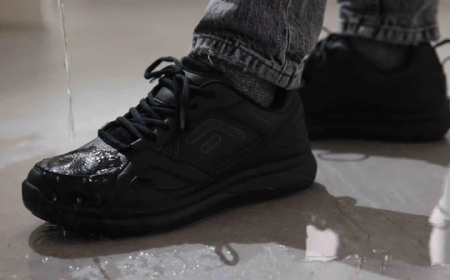
Weather at the festival can be unpredictable. July in Cambridgeshire can bring sunshine, sudden rain, or cool evenings. Pack layers: waterproof jacket, thermal base layers, a warm hat, and gloves for nighttime. Sturdy, waterproof footwear is essentialgrass fields turn muddy after rain, and paths can be uneven.
Bring a tent suitable for four-season conditions, even in summer. A groundsheet, extra pegs, and a mallet are recommended. Sleeping bags rated for 5C are ideal. Dont forget a headlamp or flashlightcamping areas are dimly lit after dark.
Food and drink are available on-site, but bringing your own snacks and reusable water bottle saves money and reduces waste. The festival provides free drinking water refill stations. Avoid single-use plastics; many vendors offer discounts for bringing your own cup. A small foldable chair, picnic blanket, and portable phone charger are also useful. Leave behind prohibited items: glass containers, fireworks, drones, and large speakers.
Step 6: Navigate the Festival Grounds
The festival site is laid out in a circular pattern with the main stage at the center. Other stages include the Acoustic Tent, The Arena, The Club Tent, The Young Folk Stage, and The Poetry & Spoken Word Corner. A detailed map is available on the website and at information kiosks. Use landmarks like the giant willow tree or the old barn to orient yourself.
Each stage has a different vibe. The Main Stage features headline acts and draws the largest crowdsarrive early for popular performers. The Acoustic Tent offers intimate, unplugged performances ideal for close listening. The Club Tent hosts late-night jam sessions and open mic spots. The Young Folk Stage showcases emerging artists under 25 and is a hub for innovation.
Signage is clear, and volunteers in bright vests are stationed throughout the site to answer questions. Download the festival app for real-time stage updates, artist locations, and restroom maps. The app also includes a live schedule with set time alerts.
Step 7: Engage with the Festival Community
Cambridge Folk Festival thrives on participation, not just observation. Attend workshops: learn to play the bodhrn, join a folk dance circle, or try your hand at bush ballad writing. Many sessions are free and require no prior experience. Bring an instrument if you playits common for impromptu jams to form near the camping areas.
Volunteer opportunities are available for those who want deeper involvement. Roles include stewarding, information desk assistance, or helping with the childrens area. Volunteers receive a free ticket and a festival T-shirt. Applications open in May and are competitive.
Respect the quiet zones and be mindful of noise after 11 PM. Many attendees are there to rest and recharge. Share space generouslythis festival is built on mutual respect.
Step 8: Stay Connected and Safe
Mobile reception can be spotty in parts of the site, especially near the main stage. Consider downloading offline maps and saving key contacts. Emergency services are stationed throughout the grounds, with first aid tents clearly marked. There are also designated safe spaces for those feeling overwhelmed or needing support.
Keep valuables secure. Use lockers available for rent near the main entrance or keep essentials in a waterproof, zippered bag. Never leave belongings unattended. The festival has a lost and found center at the information booth.
Best Practices
Arrive Early, Stay Late
One of the greatest secrets to enjoying the festival is arriving early on the first day. This gives you time to explore the site, locate your favorite stages, and meet fellow attendees before crowds build. Staying late allows you to catch the hidden gemslate-night acoustic sets, spontaneous collaborations, and the magical closing ceremonies that often feature all performers on stage together.
Embrace the Unplanned
While planning is essential, the best moments often come unexpectedly. A set you didnt know about might be the highlight of your weekend. Leave room in your schedule for wandering. Follow the sound of a fiddle drifting through the trees. Join a circle of dancers youve never seen before. The spirit of the festival lies in serendipity.
Support the Artists
Many performers sell their own CDs, vinyl, or handmade merchandise at their tents. Buying directly supports them more than streaming ever could. Dont hesitate to thank an artist after their setmany appreciate the personal connection. Some even stay after performances to chat with fans.
Practice Sustainable Festival Habits
The Cambridge Folk Festival is a leader in environmental responsibility. Bring a reusable water bottle, refuse single-use plastics, and use recycling bins. Participate in the Leave No Trace campaignpack out everything you bring in. Avoid using disposable cutlery; many food vendors offer compostable options, but bringing your own is best.
Use the festivals eco-bins, which separate food waste, recyclables, and general trash. Composting is done on-site, and organic waste is turned into fertilizer for local farms. Consider carpooling or using public transport to reduce your carbon footprint.
Respect Cultural and Musical Traditions
Folk music is deeply rooted in cultural heritage. When attending performances from Indigenous, Celtic, or global traditions, listen with humility. Avoid filming or photographing without permissionsome artists and communities request no recording. Learn a few words of the language used in songs if possible; it shows respect and deepens your appreciation.
Engage with the Young Folk Scene
The Young Folk Stage is a breeding ground for tomorrows legends. Many of todays most acclaimed artistslike Sam Lee, Eliza Carthy, and Lankumbegan here. Give young performers your attention. Ask them questions. Share their music on social media. Your support helps sustain the future of folk.
Stay Hydrated and Nourished
Even if youre not dancing, the summer sun and long days can be draining. Drink water regularlyeven if you dont feel thirsty. Eat balanced meals. The food stalls offer diverse options: vegan, gluten-free, and halal choices are clearly labeled. Dont rely solely on festival snacks; try local specialties like Cornish pasties, Welsh cakes, or homemade pies.
Connect with Fellow Attendees
One of the festivals greatest strengths is its community. Strike up conversations in the queue for coffee, at the campfire, or during a workshop. Share stories about your favorite folk songs. Exchange music recommendations. Many lifelong friendships begin here.
Tools and Resources
Official Festival Website
The primary resource for all information is cambridgefolkfestival.co.uk. Here youll find the complete lineup, ticket sales portal, shuttle maps, camping rules, and a downloadable PDF guide. The site is updated regularly with weather advisories, schedule changes, and emergency notices.
Festival App
The official Cambridge Folk Festival app (available on iOS and Android) is indispensable. Features include:
- Live schedule with set time alerts
- Interactive map with stage locations
- Artist bios and playlists
- Real-time updates on stage changes
- Lost and found reporting
- Weather forecasts for the site
Download the app before arrival and enable notifications.
Transportation Tools
For planning your journey:
- Trainline for booking train tickets to Cambridge
- Google Maps for cycling routes and shuttle timings
- Cambridge City Council Shuttle Info official shuttle schedules
Weather Forecasting
Use AccuWeather or Met Office for hyperlocal forecasts of Cherry Hinton. Check conditions daily in the week leading up to the event. Wind direction matters for tent placement and noise levels.
Music Discovery Platforms
Before the festival, explore artists on:
- Spotify curated playlists like Folk Revival or UK Folk Roots
- Bandcamp direct support for independent folk artists
- YouTube live session archives from past festivals
Many artists release exclusive live recordings from Cambridgesearch Cambridge Folk Festival [artist name] to find gems.
Community Forums and Social Media
Join the official Facebook group Cambridge Folk Festival Attendees to connect with others before the event. Ask questions, trade tips, and organize carpools. Instagram accounts like @cambridgefolkfest and @folk_festival_life post behind-the-scenes content and artist interviews.
Accessibility Resources
The festival offers comprehensive accessibility services, including:
- Accessible camping areas
- Wheelchair-accessible viewing platforms
- Sign language interpreters for select performances
- Quiet rooms for sensory needs
- Personal assistant tickets for those requiring support
Contact the accessibility team via the website well in advance to arrange accommodations.
Real Examples
Example 1: Sarahs First Festival Experience
Sarah, a 28-year-old teacher from Manchester, had never attended a folk festival before. She bought a weekend ticket after hearing a live recording of Seth Lakeman on YouTube. She arrived on Wednesday, set up her tent in the family zone, and spent her first evening listening to a local choir perform sea shanties near the lake. On Friday, she missed her favorite artists set because she got lostbut ended up discovering a young Irish fiddler named Aoife ODonovan, whose performance moved her to tears. She bought Aoifes album on the spot and now hosts monthly folk nights in her community. I didnt go to the festival for music, Sarah says. I went for an experience. I found both.
Example 2: The Miller Family Tradition
The Millers have attended every year since 2005. Their three childrennow adultsstill come back with their own families. Its our reunion, says David Miller, now 67. We camp in the same spot. We know the volunteers by name. My daughter learned to play the concertina here. My grandson wrote his first song under the willow tree. Theyve seen legends like Bob Dylan, Joan Baez, and Martin Carthy perform. Its not about the big names, David says. Its about the continuity. The music connects us across generations.
Example 3: A Global Collaboration
In 2022, a group of musicians from Senegal, Scotland, and Japan performed an impromptu collaboration on the Acoustic Tent. They had never met before the festival. A Senegalese kora player, a Scottish bagpiper, and a Japanese shakuhachi flutist were all scheduled to play within an hour of each other. After their sets, they jammed together in the grass, blending rhythms and melodies into something entirely new. A video of the performance went viral, and the trio later recorded an album titled Folk Without Borders. The festivals open-door philosophy made it possible.
Example 4: The Volunteer Who Became a Legend
Before becoming a headliner, musician and songwriter John Smith volunteered at the festival for five years. He worked at the information desk, helped load gear, and cleaned up after late-night sets. He wrote songs during his breaks. One evening, a producer heard him singing near the food stalls and invited him to play the Young Folk Stage. He was a last-minute addition. That set launched his career. He returned as a headliner in 2021. The festival didnt just give me a stage, he says. It gave me a community.
FAQs
Can I bring my dog to the Cambridge Folk Festival?
No. Only registered assistance animals are permitted on-site. This policy ensures the safety and comfort of all attendees, especially those with allergies or anxiety.
Is there Wi-Fi available at the festival?
There is no public Wi-Fi on-site. Mobile data is available but can be unreliable. Plan ahead by downloading maps, playlists, and schedules offline.
Are children allowed? Is there a kids area?
Yes, children are welcome. The festival has a dedicated Childrens Area with storytelling, puppet shows, craft workshops, and family-friendly performances. Entry is free for under-12s when accompanied by a ticket holder.
Can I bring my own food and drink?
Yes. You may bring your own food and non-alcoholic drinks. Alcohol must be purchased on-site. Glass containers are prohibited.
What happens if it rains?
The festival continues rain or shine. Most stages are covered or partially sheltered. Bring waterproof gear and sturdy boots. Mud is part of the experiencemany attendees consider it a badge of honor.
Can I camp with my car next to my tent?
No. Cars are not permitted in camping areas. Park at the designated Park & Ride and use the shuttle service.
Are there vegetarian or vegan food options?
Yes. Over 70% of food vendors offer plant-based options, clearly marked. Many are fully vegan. The festival also has a dedicated vegan food court.
What time do the stages close?
Main stage performances usually end by 11 PM. The Club Tent and late-night sessions continue until 1 AM. Quiet camping areas enforce a 11 PM noise curfew.
Can I resell my ticket if I cant attend?
Yes, but only through the official ticketing platform. Resale is permitted up to 48 hours before the festival begins. Third-party sales are not allowed and may result in ticket invalidation.
Is the festival wheelchair accessible?
Yes. All stages, restrooms, and camping areas are accessible. Accessible shuttles and viewing platforms are available. Contact the accessibility team in advance for personalized support.
Conclusion
Attending the Cambridge Folk Festival is not a transactionits a transformation. Its about stepping into a world where music is not a product but a pulse, where strangers become friends over shared songs, and where the boundaries between performer and audience dissolve into collective joy. The steps to attend are simple: plan, prepare, and open your heart. But the experience is profound.
This festival endures because it refuses to become a spectacle. It remains rooted in authenticity, community, and the quiet power of acoustic strings and unamplified voices. Whether youre drawn by the legends on stage or the quiet moments between sets, your presence matters. You are not just an attendeeyou are part of the living tradition.
As you pack your bag, choose your tent spot, and walk through the gates, remember this: the magic of Cambridge Folk Festival doesnt come from the headliners alone. It comes from youthe person who listens deeply, who shares a blanket with a stranger, who learns a new chord, who leaves no trace, who sings along even when you dont know the words.
So go. Listen. Participate. And carry the music with you long after the final note fades.