






















How to Visit Hurlestone Point Shipwreck
How to Visit Hurlestone Point Shipwreck Hurlestone Point Shipwreck is one of the most evocative and historically significant maritime relics along the southern coast of England. Located on a rugged stretch of shoreline near the village of Hurlestone, this partially submerged vessel offers a haunting glimpse into the region’s seafaring past. Unlike many well-marked tourist attractions, the shipwrec

How to Visit Hurlestone Point Shipwreck
Hurlestone Point Shipwreck is one of the most evocative and historically significant maritime relics along the southern coast of England. Located on a rugged stretch of shoreline near the village of Hurlestone, this partially submerged vessel offers a haunting glimpse into the regions seafaring past. Unlike many well-marked tourist attractions, the shipwreck is not formally managed or heavily promoted, making access both a challenge and a reward for those who seek it. Visiting Hurlestone Point Shipwreck is not simply a matter of following a GPS pinit requires preparation, respect for the environment, and an understanding of local conditions. This guide provides a comprehensive, step-by-step walkthrough for safely and responsibly visiting this hidden historical site, whether youre a history enthusiast, a photographer, a coastal walker, or a curious traveler. Understanding how to reach, interpret, and preserve this site ensures its survival for future generations while enriching your personal experience.
The significance of Hurlestone Point Shipwreck extends beyond its physical form. Believed to be a 19th-century merchant brig or fishing vessel, its remains offer tangible evidence of the perils faced by mariners navigating the treacherous waters off the Dorset coast. Storms, fog, and uncharted reefs claimed many vessels in this area, and Hurlestone Point stands as a silent memorial to those lost at sea. Its exposure during low tide reveals rusted iron frames, fragmented timber, and the ghostly outlines of cargo holdseach element whispering stories of trade, hardship, and survival. For historians, archaeologists, and coastal communities, the wreck is a non-renewable cultural asset. For visitors, it is an opportunity to connect with history in its most raw and unfiltered form.
Unlike museum exhibits or curated heritage trails, Hurlestone Point Shipwreck demands engagement on its own terms. There are no signs, no ticket booths, no guided tours. What you find is what the tide and the elements allow you to see. This guide will equip you with the knowledge to navigate these uncertainties, avoid common pitfalls, and maximize the value of your visitboth personally and ethically. By the end of this tutorial, you will know exactly how to plan your trip, what to bring, how to interpret what you see, and how to leave no trace behind. This is not just a how-to; it is a manifesto for responsible coastal exploration.
Step-by-Step Guide
Step 1: Research the Site and Its History
Before setting foot on the coast, invest time in understanding the background of Hurlestone Point Shipwreck. Begin with academic sources such as the Historic England Archive, local maritime museums, and digitized newspapers from the 1800s. The wreck is often referenced in regional records as the Hurlestone Brig or The Wreck at Hurlestone Rocks, with reports dating back to 1872. These documents may describe the vessels origin, cargo, and the circumstances of its loss. Knowing the story transforms your visit from a scenic walk into a meaningful pilgrimage.
Use online databases like the National Record of the Historic Environment (NRHE) to access official archaeological records. These often include coordinates, condition assessments, and photographs taken during tidal surveys. Cross-reference these with modern satellite imagery on Google Earth to identify the exact location relative to landmarks such as Hurlestone Lighthouse, the cliff edge, and the tidal pool known locally as The Cauldron. Understanding the sites context helps you recognize features when you arrive and distinguish between natural rock formations and actual wreckage.
Step 2: Check Tidal Patterns and Weather Forecasts
The accessibility of Hurlestone Point Shipwreck is entirely dependent on the tide. The wreck is only fully visible during low tide, and even then, only for a narrow window of approximately two to three hours before and after low water. High tide submerges the wreck entirely, making it invisible and potentially dangerous to approach. Use reliable tidal prediction tools such as the UK Hydrographic Offices Tide Tables or the Tides Near Me app, which provide precise local data for Hurlestone Point (grid reference SZ 725 145).
Plan your visit for a spring low tidethose occurring during new or full moonswhen the water recedes furthest. Avoid neap tides, which offer minimal exposure. Always check the weather forecast for wind direction and wave height. East or southeast winds push water away from the coast, enhancing tidal exposure. West or northwest winds can cause water to pile up, reducing visibility even during low tide. Rain, fog, or high winds can make the rocky terrain slippery and hazardous. Never visit during storm warnings or gale-force conditions.
Step 3: Choose the Right Route and Parking
The most reliable access point is via the South West Coast Path, starting from the small coastal hamlet of Hurlestone. Park at the designated layby on Hurlestone Lane (postcode DT2 9JF), which offers space for 45 vehicles. Avoid parking on the roadside or in private driveways. The walk to the wreck is approximately 1.8 kilometers (1.1 miles) along a well-maintained but uneven path. It descends steeply in places and passes through private farmlandstay on marked trails to avoid trespassing.
For those seeking a more direct route, a shorter but significantly more hazardous path exists from the cliffside footpath near Hurlestone Lighthouse. This route is not recommended for beginners, children, or those with mobility issues. It involves scrambling over loose shale and navigating narrow ledges with no guardrails. If you choose this route, wear grippy footwear and carry a walking pole for balance. Always inform someone of your planned route and estimated return time.
Step 4: Prepare Your Gear
Proper gear is non-negotiable. Even on a sunny day, coastal winds can be biting, and the rocks remain damp and cold. Essential items include:
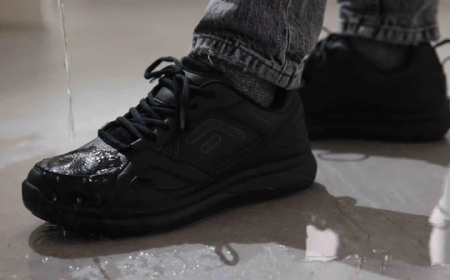
- Sturdy, waterproof hiking boots with aggressive treadno sandals or sneakers
- Waterproof outer layer (jacket or shell) to fend off sea spray and sudden showers
- Thermal base layers for insulation, even in summer
- Reusable water bottle and high-energy snacks
- Headlamp or flashlighteven if visiting midday, shadows in rock crevices can obscure details
- First aid kit including antiseptic wipes, bandages, and tweezers for removing sea urchin spines
- Binoculars to examine the wreck from a safe distance without stepping on fragile remains
- Camera with wide-angle lens for capturing the scale of the wreck against the landscape
- Map and compasscell service is unreliable along this stretch of coast
Do not bring drones. Their use is prohibited within 50 meters of coastal heritage sites under the UKs Civil Aviation Authority guidelines. Additionally, avoid metal detectorsdisturbing artifacts is illegal under the Protection of Wrecks Act 1973.
Step 5: Navigate to the Wreck Site
Upon reaching the coastal plateau, follow the path marked by faded white waymarkers. The terrain becomes rockier as you descend. Look for a distinctive outcrop of black basalt known locally as The Sentinelthis marks the final landmark before the wreck. From here, the path narrows to a single-file trail along the cliff edge. Stay close to the inner side, away from the drop-off.
Once you reach the tidal zone, scan the rocks for the wrecks outline. It lies approximately 40 meters from the base of the cliff, exposed between two large boulders known as The Twins. The hull is fragmented, with vertical iron ribs protruding like skeletal fingers. The bow points northwest, consistent with a vessel caught in a northeasterly gale. The stern is largely buried under sand and sediment, but the keel remains visible in low tide.
Do not climb on the wreck. Even seemingly stable timbers may be weakened by salt corrosion. Walk around the perimeter, keeping a distance of at least two meters from all exposed metal and wood. Use your binoculars to examine details such as rivet patterns, cargo remnants, or possible anchor chains. If you spot a piece of pottery or glass, photograph it in situ and do not touch it. These are protected archaeological finds.
Step 6: Document and Reflect
Take time to observe the wrecks interaction with the environment. Notice how barnacles cling to iron, how seaweed drapes over timbers, how gulls nest in the upper ribs. This is not a static artifactit is a living ecosystem. Record your observations in a journal or voice memo. Note the time of day, tide level, wind direction, and any other vessels visible on the horizon. These details help contextualize the wrecks history and your personal experience.
If you are a photographer, shoot during golden hourthe hour after sunrise or before sunsetwhen the low angle of light casts dramatic shadows across the rusted metal. Use a tripod if possible, and avoid using flash, which can disturb wildlife. Capture wide shots to show the wreck in relation to the cliffs and sea, and close-ups of textures and details. Always tag your images with location data and date for archival purposes.
Step 7: Leave No Trace
Leave the site exactly as you found it. Do not remove any object, no matter how small. A single nail, a shard of glass, or a piece of rope may be the last physical link to a lost crew. Even taking a stone from the beach disrupts the natural sediment balance. Pack out all trashincluding food wrappers, bottles, and biodegradable items like apple cores. Organic waste can attract invasive species or disrupt local wildlife.
If you notice litter left by others, collect it and carry it out. Consider bringing a small bag to gather debris. This act of stewardship honors the site and sets an example for others. Never carve initials, leave flags, or place offerings. These actions degrade the sites integrity and may trigger enforcement actions under heritage protection laws.
Step 8: Return Safely and Report Your Visit
As the tide begins to rise, start your return immediately. The path back is steeper when wet, and the rocks become slick with seaweed. Do not linger. If youre unsure of the time, use your tide apps rising tide alert feature. Once back at your vehicle, wash your boots and gear to remove salt and prevent corrosion.
Consider submitting a brief report to the Dorset Historic Environment Record (HER) or the Maritime Archaeology Trust. Include your date of visit, tide level, weather conditions, and any new observations (e.g., exposed artifacts, erosion patterns). These reports help professionals monitor the sites condition over time. Your contribution, however small, supports ongoing preservation efforts.
Best Practices
Respect the Legal Framework
Hurlestone Point Shipwreck is protected under the Protection of Wrecks Act 1973 and the Ancient Monuments and Archaeological Areas Act 1979. It is a criminal offense to tamper with, remove, or damage any part of the wreck or its surrounding seabed. Violations can result in fines of up to 5,000 and confiscation of equipment. Even well-intentioned actionslike trying to clear debris or restore a piece of woodare illegal. The wreck is a time capsule; intervention, however minor, alters its historical record.
Minimize Environmental Impact
The coastal ecosystem around Hurlestone Point is fragile. The rocks host rare lichens, algae, and invertebrates that take decades to grow. Avoid stepping on tidal pools or crushing sea anemones. Do not use soap, sunscreen, or insect repellent near the sitechemicals can wash into the water and harm marine life. Use reef-safe products if swimming nearby, and rinse off thoroughly after your visit.
Practice Ethical Photography
Photography is encouraged, but not at the expense of the site. Never use artificial lighting that alters the natural appearance of the wreck. Avoid posing on or near fragile structures. Do not use drones to hover over the sitethis is not only illegal but also disruptive to nesting seabirds. Share your images responsibly: avoid geotagging exact coordinates on public platforms like Instagram, as this can lead to overcrowding and vandalism. Instead, tag general locations like Dorset Coast or South West England.
Engage with Local Knowledge
Speak with local residents, fishermen, or members of the Hurlestone Heritage Group. They often hold oral histories not recorded in official archivesstories of storms, rescues, or family connections to the wreck. These narratives add depth to your understanding and help preserve intangible heritage. Always listen more than you speak. Respect that some locals may not wish to discuss the site publicly due to personal or cultural reasons.
Plan for Seasonal Variations
Winter visits offer the clearest views due to stronger tides and fewer visitors, but they come with increased risks: shorter daylight hours, icy rocks, and stronger winds. Summer visits are safer for beginners but bring crowds and higher humidity. Spring and autumn are ideal: moderate temperatures, stable tides, and fewer tourists. Avoid holidays and school breaks when the area becomes congested.
Travel in Small Groups
Limit your group to no more than four people. Larger groups increase the risk of accidental damage, create noise pollution, and make it harder to navigate narrow paths. Solo travelers should inform someone of their plans. If youre bringing children, ensure they understand the importance of staying on paths and not touching anything. Teach them to view the wreck as a sacred space, not a playground.
Support Preservation Efforts
Donate to organizations like the Maritime Archaeology Trust or the National Trusts Coastal Heritage Fund. Volunteer for beach cleanups or archaeological surveys. Subscribe to newsletters that track coastal site conditions. Your support helps fund monitoring, erosion control, and public education programs that protect Hurlestone Point and similar sites nationwide.
Tools and Resources
Tidal Prediction Tools
Accurate tide data is critical. Use the following resources:
- UK Hydrographic Office Tide Tables Official, authoritative data for all UK ports and coastal points
- Tides Near Me (iOS/Android) Real-time tide graphs with alerts and location-based predictions
- Coastal Explorer (web) Interactive map showing tide levels, wind, and wave height overlays
Mapping and Navigation
GPS signals can be unreliable near cliffs and rock formations. Use:
- Ordnance Survey Explorer Map 119 (Dorset Coast) Paper map with 1:25,000 scale, essential for off-grid navigation
- OS Maps App Download offline maps before your trip; includes footpaths, contours, and heritage markers
- Google Earth Pro Use historical imagery to compare changes in the wrecks exposure over decades
Historical Archives
Deepen your understanding with primary sources:
- Historic England Archive Search Hurlestone Shipwreck for photographs, reports, and excavation records
- British Newspaper Archive Search for Hurlestone wreck between 18501900 for contemporary accounts
- Dorset County Museum Maritime Collection Physical and digital artifacts related to local shipwrecks
- Maritime Archaeology Trust Website Research papers, educational guides, and conservation updates
Community and Volunteer Networks
Connect with others who share your interest:
- Hurlestone Heritage Group Local volunteers who monitor the site and host seasonal walks
- Coastal Archaeology Society National network offering training in non-invasive recording techniques
- Maritime Heritage Forum Online community for sharing photos, reports, and preservation strategies
Essential Apps
Download these before your visit:
- Windy Real-time wind, wave, and weather forecasts for coastal areas
- Dark Sky (iOS) Hyperlocal precipitation and temperature alerts
- AllTrails User-submitted trail reviews and photos of the Hurlestone Path
- PhotoPills For planning sunrise/sunset shots with tidal alignment
Real Examples
Case Study 1: The Photographer Who Preserved a Legacy
In 2018, amateur photographer Eleanor Whitmore visited Hurlestone Point during a spring low tide. She captured a series of images showing a previously unseen section of the hull, including a cluster of rivets arranged in a distinctive triangular pattern. She submitted the photos to the Maritime Archaeology Trust, who confirmed the pattern matched 1860s British merchant vessels. This discovery helped date the wreck more accurately and led to a formal archaeological survey. Eleanors images are now used in educational materials at the Dorset County Museum. Her approachdocumenting without disturbingset a standard for ethical coastal photography.
Case Study 2: The School Group That Learned Respect
A local secondary school organized a field trip to Hurlestone Point as part of a coastal history unit. The teacher, aware of the sites sensitivity, spent two weeks preparing students with lectures on maritime archaeology and legal protections. Upon arrival, students were given a checklist: Observe, photograph, record, but never touch. One student noticed a piece of ceramic embedded in the sand and, instead of picking it up, took a photo and noted its position. The teacher later submitted the data to the HER. The experience transformed the students view of historyfrom something to be collected, to something to be protected.
Case Study 3: The Storm That Revealed More
In January 2021, a severe storm system swept across the English Channel, eroding the sand dunes near Hurlestone Point. When the tide receded, a previously buried section of the wrecks keel was exposed, revealing a section of iron plating with a makers mark: W. & J. Hargreaves, Liverpool, 1867. This discovery, made possible by natural erosion, prompted a rapid-response survey by Historic England. Volunteers from the Hurlestone Heritage Group documented the find with photogrammetry. The event underscored the importance of regular monitoring and the unpredictable nature of coastal archaeology.
Case Study 4: The Visitor Who Crossed the Line
In 2019, a tourist removed a small iron bolt from the wreck, believing it to be just a piece of junk. He posted a photo online with the caption, Souvenir from a forgotten ship! The image was flagged by a local historian, who reported it to authorities. The man was contacted, fined 1,200, and required to attend a heritage education course. His bolt was later returned to the site by the Maritime Archaeology Trust. This incident illustrates how even minor actions can have legal and ethical consequencesand how community vigilance protects our shared heritage.
FAQs
Can I walk on the Hurlestone Point Shipwreck?
No. Walking on or climbing the wreck is strictly prohibited. The structure is fragile and legally protected. Even stepping on exposed timbers can cause irreversible damage. Observe from a safe distance and use binoculars for closer views.
Is there a fee to visit Hurlestone Point Shipwreck?
No. There is no entrance fee. The site is publicly accessible via the South West Coast Path. However, parking at the designated layby is free but limited. Do not attempt to park illegally.
What should I do if I find an artifact?
Do not touch it. Take a photograph from multiple angles, note its exact location using GPS, and report it immediately to the Maritime Archaeology Trust or Historic England. Artifacts are protected by law and may be part of a larger, undiscovered context.
Can I bring my dog?
Yes, but only if kept on a short lead. Dogs can disturb nesting birds and damage fragile coastal vegetation. Clean up after your pet and avoid letting them run on the rocks near the wreck.
Is the site accessible for wheelchair users?
Not currently. The path to the wreck involves steep, uneven terrain with no ramps or handrails. The tidal zone is rocky and unstable. There are no adapted facilities at the site. However, the cliff-top viewpoint near Hurlestone Lighthouse offers a distant but respectful view of the wreck.
Can I swim near the wreck?
Swimming is strongly discouraged. The area is subject to strong undercurrents, submerged rocks, and sudden drop-offs. The wreck itself is not a swimming attraction and poses entanglement hazards. Stay on land.
How often is the wreck visible?
It is visible for approximately two to three hours around low tide, twice daily. Spring tides (during new and full moons) offer the best exposure. Use a tide app to plan your visit precisely.
Are there guided tours available?
There are no official guided tours. However, the Hurlestone Heritage Group occasionally hosts informal, volunteer-led walks in spring and autumn. Check their website or local noticeboards for announcements.
Can I use a metal detector?
No. The use of metal detectors on or near protected wrecks is illegal under UK law. Violations can lead to prosecution and confiscation of equipment.
Why is this wreck not more famous?
Hurlestone Point Shipwreck is intentionally understated. Unlike large, easily accessible wrecks such as the Mary Rose, it is deliberately preserved in its natural state to protect its archaeological integrity. Its obscurity is part of its valueit remains untouched by mass tourism and commercial exploitation.
Conclusion
Visiting Hurlestone Point Shipwreck is not a casual outingit is an act of historical communion. To stand before its rusted ribs, to witness the seas slow reclamation of human endeavor, is to confront the impermanence of all things. This site does not ask for your admiration; it asks for your reverence. The steps outlined in this guide are not merely logisticalthey are ethical. Each choice you make, from the boots you wear to the photos you take, contributes to the legacy of this silent sentinel.
As coastal erosion accelerates and climate change alters tidal patterns, sites like Hurlestone Point are becoming increasingly vulnerable. What we see today may be gone in a decade. Your visit, conducted with care and knowledge, becomes an act of preservation. You are not just a visitoryou are a witness, a documenter, and a guardian.
Do not seek to own this wreck. Do not seek to take a piece of it home. Instead, take a memory. Take a photograph. Take a story. And when you leave, leave nothing behind but footprintswashed away by the tide, as all things must be.
Hurlestone Point Shipwreck endures not because it is famous, but because it is respected. Be the kind of visitor who ensures it continues to do so.