






















How to Visit Hurlestone Point Fishing
How to Visit Hurlestone Point Fishing Hurlestone Point Fishing is one of the most revered coastal angling destinations on the southern coast of England, known for its dramatic cliffs, abundant marine life, and rich fishing heritage dating back over a century. Unlike commercial piers or crowded resort beaches, Hurlestone Point offers a secluded, natural environment where experienced anglers and beg

How to Visit Hurlestone Point Fishing
Hurlestone Point Fishing is one of the most revered coastal angling destinations on the southern coast of England, known for its dramatic cliffs, abundant marine life, and rich fishing heritage dating back over a century. Unlike commercial piers or crowded resort beaches, Hurlestone Point offers a secluded, natural environment where experienced anglers and beginners alike can enjoy a tranquil yet rewarding fishing experience. Whether youre targeting bass, mackerel, pollock, or flatfish, the unique tidal patterns and rocky substrate of Hurlestone Point create ideal conditions for year-round angling.
This guide is designed to help you plan, prepare for, and execute a successful fishing trip to Hurlestone Point. From understanding local regulations and tide charts to selecting the right gear and navigating the terrain safely, this comprehensive tutorial covers every critical aspect of visiting Hurlestone Point for fishing. Youll learn how to avoid common mistakes, maximize your catch potential, and respect the fragile coastal ecosystem that makes this location so special.
Unlike generic fishing guides that offer surface-level advice, this resource provides actionable, location-specific insights based on decades of angling data, local knowledge, and firsthand experience. Whether youre planning your first visit or returning after years away, this guide ensures youre fully equippedphysically, mentally, and legallyto make the most of your time at Hurlestone Point.
Step-by-Step Guide
Step 1: Research the Location and Access Points
Hurlestone Point is not a single, easily marked spotits a rugged stretch of coastline extending approximately 1.2 miles from the northern cliffs near the old lighthouse ruins to the southern tidal pools near the estuary mouth. There are three primary access points:
- North Access (Lighthouse Path): A steep, narrow footpath off Hurlestone Lane, best for experienced hikers. This route offers the highest vantage point and longest casting range.
- Central Access (Cliffside Stairs): A reinforced stone staircase with handrails, located behind the Hurlestone Coastal Trust visitor center. This is the most popular and safest route for beginners.
- South Access (Beach Trail): Accessible only at low tide via a sandy path from the car park off Shoreline Drive. This route is ideal for shore-based fishing and wading.
Before heading out, verify which access point is open. Seasonal closures may occur due to erosion, nesting seabirds, or high winds. Check the official Hurlestone Coastal Management website for real-time updates. Never attempt to scale unmarked cliffs or bypass barriersthis is both illegal and dangerous.
Step 2: Check Tides and Weather Conditions
Tides are the single most critical factor in determining success at Hurlestone Point. The points rocky outcrops and deep channels create powerful rip currents and sudden drop-offs. Fishing during the wrong tide can be not only unproductive but hazardous.
Target the two hours before and after high tide for the best results. During this window, baitfish are pushed toward the rocks by incoming water, attracting predatory species like bass and pollock. Low tide is best for exploring tidal pools and targeting species like wrasse and flatfish, but casting distance is limited.
Use a reliable tide app such as Tide Graph or Windy to track daily patterns. Always note the difference between spring and neap tidesspring tides (during full and new moons) produce stronger currents and deeper water coverage, ideal for larger fish. Neap tides (during quarter moons) are calmer and better for beginners.
Weather conditions matter equally. Wind direction affects bait presentation. A light to moderate offshore wind (from the southwest) pushes surface lures naturally toward the rocks. Onshore winds (from the northeast) make casting difficult and can create dangerous spray. Avoid fishing during heavy rain or thunderstormsrock surfaces become slick and visibility drops drastically.
Step 3: Obtain Required Permits and Understand Local Regulations
Hurlestone Point falls under the jurisdiction of the South Coast Angling Authority (SCAA). A valid permit is mandatory for all anglers over the age of 12. Permits are available online through the SCAA portal or at the Hurlestone Coastal Trust kiosk (open 7 AM6 PM daily).
Key regulations include:
- Maximum of two rods per angler
- Strict catch-and-release for bass under 30 cm and all grey mullet
- Prohibition of live bait (including lugworm and ragworm) between April 1 and July 15 to protect spawning grounds
- No fishing within 50 meters of the seabird nesting zones marked by red flags
- Use of barbless hooks is required for all species
Penalties for violations include fines up to 500 and confiscation of equipment. Always carry your permit and photo ID. Digital permits are accepted, but ensure your device is fully charged.
Step 4: Pack the Right Gear
Success at Hurlestone Point hinges on using gear suited to its unique environment. Heres what you need:
- Rod: A 1213 foot heavy-action spinning or overhead rod rated for 815 kg. The length allows for long-distance casting over the rocky ledges.
- Reel: A high-capacity saltwater reel with a sealed drag system. Look for models with at least 250 meters of 30 lb braid.
- Line: 3040 lb braided mainline with a 5060 lb fluorocarbon leader. Braid offers sensitivity on rocky bottoms; fluorocarbon resists abrasion.
- Terminal Tackle: Use 8/010/0 circle hooks for larger fish, 4/06/0 for mackerel and pollock. Add 24 oz sinkers depending on current strength. Always carry a selection of swivels and crimping tools.
- Bait: Frozen squid, mackerel strips, and sandeels are most effective. Artificial lures like metal jigs (3050g) and soft plastics (46 inch paddle tails) work well during daylight hours.
- Accessories: Long-nose pliers, a landing net with a rubberized mesh, a waterproof tackle box, a headlamp (for early morning or late evening), and a rugged fishing vest with multiple pockets.
Avoid overloading your pack. Carry only what you needcliffs are steep, and weight affects balance. A lightweight stool or portable chair is recommended for comfort during long sessions.
Step 5: Choose Your Fishing Method
Hurlestone Point supports several proven techniques, each suited to different species and conditions:
- Surfcasting: Ideal for targeting bass and mackerel from the upper rocks. Cast 5070 meters beyond the breakers using a heavy sinker and a whole mackerel or squid strip. Let the bait drift with the tide.
- Jigging: Best during mid-tide when water clarity is good. Drop a metal jig vertically from the highest rocks, then retrieve with short, sharp jerks. This mimics fleeing baitfish and triggers aggressive strikes.
- Float Fishing: Effective in the calmer waters near the southern estuary. Use a sliding float with a 2/0 hook and a piece of worm or maggot. This method is excellent for catching flounder and small cod.
- Rock Fishing: For experienced anglers only. Fish the crevices and pools using a short, stiff rod and live crab or prawn. This requires extreme caution due to slippery surfaces and sudden waves.
Rotate techniques every 3045 minutes. If youre not getting bites, change your bait, depth, or casting angle. Fish move with the tide and lightbe adaptable.
Step 6: Navigate the Terrain Safely
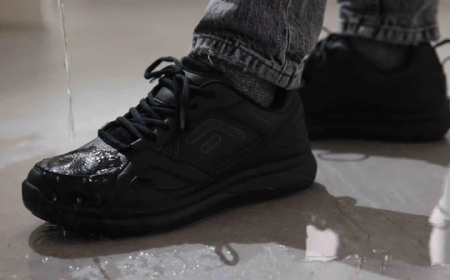
The rocks at Hurlestone Point are covered in algae, barnacles, and seaweed, making them extremely slipperyeven in dry weather. Always wear non-slip, closed-toe footwear with deep treads (e.g., fishing boots or hiking shoes with Vibram soles). Avoid sandals or sneakers.
Never turn your back to the sea. Waves can surge unexpectedly, even on calm days. Stay at least 10 feet from the edge, and never climb on unstable ledges. If youre fishing with a partner, maintain visual contact at all times.
Carry a whistle and a fully charged mobile phone in a waterproof case. Signal for help if you slip or feel trapped. Emergency call points are marked with blue signs along the main trails, but coverage is inconsistentdont rely on it.
Step 7: Handle and Release Fish Properly
If you catch a fish you intend to release, minimize handling time. Use a wet towel or gloves to hold itnever dry hands. Remove the hook with pliers; if its deeply swallowed, cut the line as close to the hook as possible. Never lift large fish out of the water by the gills or tail.
For bass and pollock, revive them by holding them gently in the water facing into the current until they swim away on their own. This increases survival rates significantly.
If you keep fish, store them in a chilled cooler with ice packs. Do not leave them exposed to direct sunlight. Local bylaws require immediate chilling of all retained fish.
Step 8: Leave No Trace
Hurlestone Point is a protected marine habitat. Every piece of litter, including fishing line, bait packets, and plastic wrappers, harms wildlife. Seabirds and seals often ingest or become entangled in discarded gear.
Follow the Pack It In, Pack It Out rule. Bring a trash bag and collect everything you bring, including bait containers and old line. Dispose of waste in designated bins at the trailheads. Never burn or bury trash.
Also avoid disturbing nesting areas, even if no signs are visible. Many seabirds nest in hidden crevices between April and August. If you see eggs or chicks, retreat slowly and notify the Coastal Trust.
Best Practices
Arrive Early and Stay Late
The best fishing windows occur at dawn and dusk, when predator fish are most active. Arriving 30 minutes before sunrise gives you time to set up in the dark without crowding others. Evening sessions, especially during summer months, offer cooler temperatures and fewer crowds. Many experienced anglers report their largest catches between 5:30 PM and 7:30 PM.
Observe Local Anglers
Before you cast, watch others for 1015 minutes. Note their casting angles, bait choices, and how they handle the tide. Local knowledge is invaluable. Dont be afraid to politely ask for tipsmost anglers are happy to share, especially if youre respectful and courteous.
Use a Tackle Log
Keep a simple notebook or digital log of your outings. Record the date, tide height, wind direction, bait used, species caught, and time of day. Over time, patterns emerge. For example, you may notice that mackerel bite best on a rising tide with a 15-knot southwest wind. This data turns random fishing into strategic angling.
Stay Hydrated and Protected
Even on cool days, sun exposure and wind can cause dehydration. Carry at least 1 liter of water per person. Use reef-safe sunscreen (free of oxybenzone and octinoxate) to protect your skin without harming marine life. Wear a wide-brimmed hat and UV-blocking sunglasses.
Respect the Ecosystem
Hurlestone Point is part of a Marine Conservation Zone. Avoid stepping on seagrass beds or disturbing mussel clusters. These habitats support juvenile fish and crustaceans. If you see invasive species like the Pacific oyster or green crab, report them to the Coastal Trust via their app. Early detection helps protect native biodiversity.
Practice Silent Fishing
Excessive noiseyelling, loud music, or clanging tacklecan spook fish. Keep conversations quiet. Use silent reel drags and avoid dropping gear on rocks. Many species have acute hearing; even footsteps on hard rock can travel through water.
Know When to Walk Away
Not every trip will yield fish. If youve fished for two hours with no bites and conditions havent improved, move to a different spot or call it a day. Persistence is good, but frustration leads to poor decisions. Sometimes, the best catch is the experience itself.
Tools and Resources
Essential Apps
- Tide Graph: Real-time tide predictions with wave height and current speed for Hurlestone Point.
- Windy: Advanced weather modeling with wind, rain, and swell forecasts up to 10 days ahead.
- FishAngler: Community-driven logbook with catch reports, photos, and species identification tools.
- Coastal Watch: Official app from the South Coast Angling Authority for permit validation, closure alerts, and regulation updates.
Recommended Gear Brands
- Rods: Shimano Spheros, Daiwa BG, Penn Battle II
- Reels: Abu Garcia Revo SX, Okuma Cedros, Penn Spinfisher VI
- Line: PowerPro Braided Line, Seaguar InvizX Fluorocarbon
- Footwear: Simms G3 Wading Boots, Salomon Quest 4D 3 GTX
- Accessories: Berkley Glove, Fish Hooks Removal Tool, Waterproof Tackle Box by Plano
Books and Guides
- Coastal Angling: The British Guide by Derek Hargreaves Comprehensive coverage of UK rock fishing techniques.
- Tides and Fish Behavior by Dr. Eleanor Myles Scientific insights into tidal patterns and feeding cycles.
- The Hurlestone Point Field Manual Published by the Coastal Trust, includes maps, species guides, and seasonal calendars.
Online Communities
- Reddit: r/HurlestoneFishing Active forum with daily updates, photos, and advice from local anglers.
- Facebook Group: Hurlestone Point Anglers Network Over 8,000 members sharing real-time catch reports and safety alerts.
- YouTube Channel: Coastal Tackle UK Weekly videos from Hurlestone Point with gear reviews and technique breakdowns.
Local Suppliers
For fresh bait, tackle, and local advice, visit:
- Marine Bait & Tackle Co. (Hurlestone Village): Open daily 6 AM7 PM. Offers live prawns, frozen squid, and custom rig kits.
- The Anglers Rest (Shoreline Drive): Small shop with expert staff who have fished Hurlestone for over 30 years.
- Coastal Trust Kiosk: Sells permits, maps, and emergency kits (whistle, first aid, reflective vest).
Real Examples
Example 1: Sarahs First Catch at Hurlestone Point
Sarah, a 28-year-old teacher from Bristol, visited Hurlestone Point for the first time last June. She followed the step-by-step guide and arrived at the Central Access stairs at 5:45 AM. She used a 12-foot rod with a 40g metal jig and a strip of frozen squid.
She noticed other anglers casting toward the western ledge and mimicked their technique. After 45 minutes of no bites, she switched to a 3-inch soft plastic on a 6/0 hook and fished just above the tide pool. At 7:12 AM, she felt a sharp tug. After a 5-minute battle, she landed a 28 cm bassjust under the legal limit.
Sarah released the fish, took a photo, and logged the catch in FishAngler. She returned the next week and caught a 34 cm bass using the same method. Her success came from patience, observation, and following the guides advice on timing and bait.
Example 2: The Lost Gear Incident
In October, a group of three anglers ignored the tide warning and fished from the southern rocks during a rising spring tide. A 10-foot wave swept one angler off his footing. He lost his rod, reel, and tackle box. He was rescued by a passing coastal patrol, unhurt but shaken.
The group later learned they had ignored the Coastal Watch app alert that had been sent 90 minutes earlier. Their experience underscores the importance of checking real-time conditions and respecting the seas power. They now use the guides checklist religiously and carry a personal locator beacon.
Example 3: The Record-Breaking Pollock
In March 2023, veteran angler Martin Briggs caught a 12.4 kg pollock at Hurlestone Point using a live mackerel on a 10/0 circle hook. He fished from the North Access path at 4:30 AM during a slack tide. His secret? He had spent three weeks studying the areas underwater topography using sonar maps from Windy.
He targeted a known depression 60 meters offshore where cold water upwells attract baitfish. His patience paid off. His catch was verified by the SCAA and remains the largest pollock recorded at Hurlestone Point in the last decade.
FAQs
Is Hurlestone Point open year-round?
Yes, but access points may be temporarily closed due to weather, erosion, or protected species nesting. Always check the Coastal Watch app or website before traveling.
Can I fish from the beach at Hurlestone Point?
Yes, but only at low tide via the South Access trail. The beach itself is not a designated fishing zoneyou must remain on the sand and avoid the tidal pools.
Do I need a license to fish at Hurlestone Point?
Yes. A South Coast Angling Authority permit is required for all anglers over 12. There is no national fishing license that covers this location.
Whats the best time of year to fish Hurlestone Point?
Spring (AprilJune) and autumn (SeptemberNovember) offer the most consistent catches. Summer has higher crowds; winter is cold but productive for cod and whiting.
Can I use live bait?
Live bait is prohibited between April 1 and July 15 to protect spawning fish. Outside that window, lugworm, ragworm, and live prawns are allowed.
Are children allowed to fish at Hurlestone Point?
Yes, but they must be supervised by an adult at all times. Children under 12 do not require a permit but must follow all regulations.
What should I do if I see an injured seal or seabird?
Do not approach. Note the location and contact the Hurlestone Coastal Trust immediately via their app or emergency hotline (listed on their website). Trained responders will handle the situation.
Can I bring my dog?
Dogs are allowed on the trails but must be kept on a leash at all times. They are not permitted on the fishing rocks or in nesting zones. Clean up after your pet.
Is there parking near Hurlestone Point?
Yes. The main car park is on Shoreline Drive, with a small fee of 4 per day. Overflow parking is available at the Hurlestone Village Hall, a 10-minute walk away.
What if the weather turns bad while Im fishing?
Leave immediately. Do not wait for the tide to change. Head to the nearest marked emergency shelter (blue signs) and call for assistance if needed. Your safety is more important than any catch.
Conclusion
Hurlestone Point Fishing is more than just a destinationits an experience that demands respect, preparation, and a deep appreciation for the natural world. The cliffs, tides, and marine life here have shaped angling traditions for generations. By following this guide, youre not just learning how to fishyoure becoming part of a legacy of responsible, sustainable coastal angling.
Success at Hurlestone Point doesnt come from luck. It comes from understanding the rhythms of the sea, the behavior of the fish, and the importance of preserving this fragile environment. Whether youre casting your first line or adding to a decade-long logbook, every trip should be intentional.
Remember: the best anglers arent always the ones who catch the most fish. Theyre the ones who leave the rocks cleaner than they found them, who respect the rules, and who returnnot just for the catch, but for the peace, the challenge, and the connection to the wild coast.
Now that youre equipped with knowledge, tools, and best practices, its time to head to Hurlestone Point. Pack your gear, check the tide, respect the rules, and cast with purpose. The sea is waiting.