






















How to Tour Combe Martin Silver Mines
How to Tour Combe Martin Silver Mines Combe Martin Silver Mines, nestled in the scenic coastal village of Combe Martin in North Devon, England, is one of the most historically significant and visually captivating mining sites in the United Kingdom. Though no longer active, these ancient tunnels and shafts offer a rare glimpse into the industrial heritage of 18th and 19th-century mining operations.

How to Tour Combe Martin Silver Mines
Combe Martin Silver Mines, nestled in the scenic coastal village of Combe Martin in North Devon, England, is one of the most historically significant and visually captivating mining sites in the United Kingdom. Though no longer active, these ancient tunnels and shafts offer a rare glimpse into the industrial heritage of 18th and 19th-century mining operations. For history enthusiasts, geology buffs, and adventurous travelers, touring the Combe Martin Silver Mines is more than a sightseeing excursionits a journey through time, where the echoes of pickaxes and the whispers of miners still linger in the damp, cool air of the underground passages.
Unlike commercialized tourist attractions, Combe Martin Silver Mines provide an authentic, unfiltered experience of Britains mining past. However, accessing and navigating the site requires careful planning, respect for its fragile condition, and awareness of safety protocols. Many visitors mistakenly assume the mines are fully open and guided, but the reality is far more nuanced. This guide will walk you through everything you need to know to plan, prepare for, and safely experience a tour of the Combe Martin Silver Mineswhether youre a solo explorer, a history student, or part of a small group seeking off-the-beaten-path destinations.
This tutorial is not merely a list of directions. Its a comprehensive resource designed to help you understand the historical context, logistical requirements, ethical considerations, and practical tools necessary to make your visit meaningful, safe, and memorable. By the end of this guide, youll know exactly how to approach the site, what to expect, how to interpret what you see, and how to contribute to its preservation.
Step-by-Step Guide
Step 1: Research the Sites History and Significance
Before setting foot near the entrance, invest time in understanding the background of the Combe Martin Silver Mines. These mines were primarily active between the late 1700s and early 1800s, with intermittent operations extending into the mid-19th century. Though named for silver, the primary extractables were lead, zinc, and small quantities of silver and copper. The ore was transported via packhorses to the coast and shipped to smelters in Wales and the Midlands.
Understanding the geological context is equally important. The mines are located within the Carboniferous limestone and slate formations of the North Devon coast, where mineral-rich hydrothermal veins formed over millions of years. This geology made the area unusually rich for a region not typically associated with metal mining.
Start by reading authoritative sources such as the Devon County Councils heritage archives, the British Geological Surveys reports on Cornish and Devonian mining, and the Combe Martin Museums publications. Knowing the history will transform your visit from passive observation into an immersive educational experience.
Step 2: Confirm Accessibility and Legal Status
Combe Martin Silver Mines are not a managed tourist attraction with regular opening hours. The site is partially collapsed, unstable, and located on private land with restricted access. Unlike the nearby Lynton and Lynmouth caves or the Cheddar Gorge show caves, these mines are not maintained for public entry.
As of the latest available information, the main entrance near the old mine office is blocked by a steel grating and warning signs. Some shafts are open but hazardous. Trespassing is illegal and dangerous. However, limited access is sometimes permitted through organized heritage groups or with prior written permission from the landowner.
Begin by contacting the Combe Martin Heritage Trust or the Devon Historic Environment Record. These organizations occasionally coordinate guided walks or archaeological surveys that include access to the mine entrances. Do not rely on unofficial blogs or YouTube videos claiming secret entrancesthese are often misleading and potentially life-threatening.
Step 3: Plan Your Visit Around Guided Events
The safest and most rewarding way to tour the Combe Martin Silver Mines is through an officially sanctioned event. These are rare but do occurtypically once or twice a year during Heritage Open Days in September or during special archaeological fieldwork.
Subscribe to newsletters from:
- Combe Martin Heritage Trust
- Historic Englands Events Calendar
- Devon Archaeological Society
- South West Heritage Trust
When an event is announced, register immediately. These tours are usually limited to 1015 participants and require a waiver acknowledging the risks. Participants are provided with hard hats, headlamps, and guided by trained archaeologists or mining historians.
If no event is scheduled, consider volunteering with a local heritage group. Many archaeological digs in the area welcome trained or willing participants. This is the most ethical and sustainable way to gain access and contribute to preservation efforts.
Step 4: Prepare Physically and Logistically
Even if youre part of an official tour, physical preparation is essential. The mine tunnels are narrow, uneven, and often flooded. Some sections require crawling. Others have vertical drops. You must be in good physical condition, comfortable in tight, dark spaces, and free from claustrophobia or respiratory issues.
Essential gear includes:
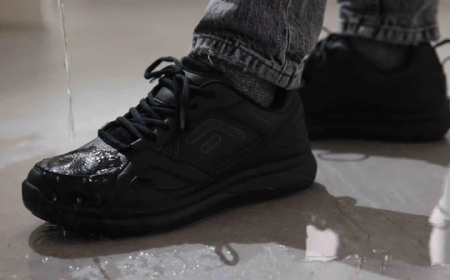
- Sturdy waterproof boots with ankle support
- Multiple sources of light (headlamp with spare batteries, handheld torch)
- Weather-appropriate clothing (thermal layers, waterproof outer shell)
- Gloves (abrasion-resistant)
- Backpack with water, energy bars, and a first-aid kit
- Whistle (for signaling in case of separation)
Never enter alone. Always have at least one companion. Inform someone outside the group of your planned route and estimated return time. Carry a mobile phone, but do not rely on signalcoverage is nonexistent underground.
Step 5: Navigate the Site Responsibly
If you are granted access, follow your guides instructions exactly. Do not deviate from marked paths. Do not touch walls, artifacts, or equipment remnants. Even small disturbances can accelerate structural decay.
Look for:
- Tool marks on tunnel wallsthese indicate hand-chiseled excavation
- Wooden supports (some still intact)these show early engineering techniques
- Remnants of ore carts and railsevidence of early transport systems
- Water channelsused to drain water from the mine
Take photographs, but avoid using flash, which can damage delicate mineral deposits. Record your observations in a notebook if permitted. These notes may contribute to ongoing research.
Respect all signage. Danger: Unstable Ground is not a suggestionit is a warning. If a tunnel is blocked or roped off, do not attempt to bypass it. Many fatalities in abandoned mines occur because visitors ignore basic safety boundaries.
Step 6: Document and Reflect
After your visit, document your experience thoughtfully. Write down what you saw, what surprised you, what questions arose. Share your reflections with the heritage group that hosted you. Many researchers value firsthand visitor accounts.
If youre a student or researcher, consider submitting a short case study to a local historical journal. Even a 500-word account of your tour, including photos and observations, can aid in the sites preservation narrative.
Remember: The goal is not just to see the mines, but to understand them. The stones, the rusted iron, the damp airthey all tell stories of labor, innovation, and environmental cost. Your awareness and respect are part of the legacy.
Best Practices
Practice 1: Prioritize Preservation Over Exploration
Abandoned mines are archaeological sites, not playgrounds. Every footprint, every removed stone, every spray-painted tag degrades irreplaceable history. The Combe Martin Silver Mines are among the few remaining examples of early industrial mining in the South West. Their survival depends on public restraint.
Adopt the Leave No Trace principle: take nothing but photos, leave nothing but footprints, and disturb nothing but air. If you see litter, pick it up. If you see a loose rock near an entrance, report itnot because you should move it, but because trained professionals need to know about structural vulnerabilities.
Practice 2: Educate Yourself Before You Go
Visitors who come unprepared often misinterpret what they see. A pile of rubble might be a collapsed tunnelor it might be the remains of a 200-year-old ore sorting area. A rusted pipe might be modern debrisor it might be part of a 19th-century ventilation system.
Study basic mining terminology: stopes, winzes, shafts, drifts, headframes. Learn the difference between surface workings and underground galleries. This knowledge transforms vague curiosity into informed observation.
Recommended reading: Mining in Devon and Cornwall by Peter Rose, and The Archaeology of Mining by Andrew Goudie.
Practice 3: Respect Cultural and Spiritual Significance
For many local communities, these mines are more than relicsthey are part of ancestral memory. Miners families lived in Combe Martin for generations. Some graves in the local churchyard belong to those who worked underground and died from silicosis or cave-ins.
Speak quietly near the site. Avoid loud music or frivolous behavior. Treat the area as a place of remembrance, not a backdrop for selfies.
Practice 4: Report Hazards, Not Just Views
If you notice new collapses, open shafts, or signs of vandalism, report them immediately to the Devon County Councils Historic Environment Team or the Combe Martin Heritage Trust. Include GPS coordinates if possible. Your report could prevent an accident or trigger a preservation intervention.
Do not attempt to seal or cover hazards yourself. Improvised barriers can create false security and lead to more deaths.
Practice 5: Support Local Heritage Initiatives
Visit the Combe Martin Museum. Buy a local guidebook. Donate to the heritage trust. Volunteer for clean-up days. These actions ensure the mines remain part of public consciousnessnot just a forgotten ruin.
When you support local efforts, you help fund archaeological surveys, safety signage, and educational programs. You become part of the solution, not just a spectator.
Tools and Resources
Essential Digital Tools
Technology can enhance your understanding and safetybut only if used responsibly.
- Google Earth Pro Use the historical imagery slider to see how the mine entrances have changed since the 1950s. Look for changes in vegetation and structure.
- OS Maps App (Ordnance Survey) Download the 1:25,000 Explorer map for Combe Martin. The mine entrances are marked as Mine Workings with a symbol. Know your exact location before you arrive.
- OpenStreetMap Crowdsourced data sometimes includes access routes and warnings not found on official maps.
- Geological Survey of Great Britain App View mineral deposit maps to understand why silver and lead were found here.
- Sound Meter App In quiet areas, use this to detect air movementsometimes, wind flowing through tunnels creates subtle sounds that indicate hidden openings.
Recommended Physical Resources
- Combe Martin Heritage Trail Map Available at the village post office or online from the parish council. Includes marked paths to mine entrances.
- The Silver Mines of Combe Martin by David A. Smith A self-published but meticulously researched monograph with original drawings and interviews from former miners descendants.
- Hard Hat and Headlamp Kit Purchase a CE-certified industrial headlamp with 100+ lumens and a 10-hour battery life. Brands like Petzl and Black Diamond are reliable.
- Field Notebook and Pencil Waterproof paper and a mechanical pencil are essential for recording observations. Ink smudges; pencil does not.
Organizations to Connect With
- Combe Martin Heritage Trust Maintains archives, organizes walks, and liaises with landowners.
- Devon Archaeological Society Offers training in field recording and surveying.
- Historic England Provides grants for site conservation and publishes condition reports.
- British Cave Research Association (BCRA) Although focused on natural caves, they offer safety training applicable to man-made mine environments.
- South West Heritage Trust Manages regional heritage sites and occasionally includes Combe Martin in educational programs.
Online Archives and Databases
- British Librarys Mining Collection Digitized reports, maps, and photographs from the 1800s.
- Historic England Archive Search Combe Martin Mines for aerial surveys and condition assessments.
- National Archives (Kew) Contains mining licenses, worker pay records, and accident reports.
- Devon Heritage Centre (Exeter) Holds original mine plans, deeds, and correspondence.
Real Examples
Example 1: The 2019 Heritage Open Days Tour
In September 2019, the Combe Martin Heritage Trust partnered with Historic England to host a guided tour of the upper levels of the Silver Mines. Twenty participants, including two university geology students and three retired miners descendants, were given access under strict supervision.
During the tour, a previously undocumented ventilation shaft was identified. The team documented its construction techniquehand-cut stone blocks with wooden lintelsand submitted the find to the Devon Historic Environment Record. The discovery led to a small grant for structural stabilization.
One participant, a 72-year-old local resident, shared that her grandfather had worked in the mines as a child in 1910. Her oral account helped researchers date a particular set of tools found near the entrance. This blend of archaeology and personal history enriched the interpretation of the site beyond technical records.
Example 2: The Unlicensed Explorer Incident (2021)
In July 2021, a group of three young men entered the mine via a collapsed side shaft, ignoring warning signs. One man slipped on wet rock and suffered a fractured ankle. Rescuers had to be called from Lynton, and the incident required a full-day response involving the local mountain rescue team and fire service.
The man was treated, but the mines entrance was permanently sealed with concrete and reinforced fencing afterward. The group was fined under the Town and Country Planning Act for trespassing on a protected heritage site.
This case became a cautionary example used in local school programs. The Heritage Trust now includes this incident in their educational materials to emphasize the real human cost of recklessness.
Example 3: The School Project That Saved a Record
In 2020, a local primary school in Combe Martin launched a project called Voices from the Mine. Students interviewed elderly residents, collected photographs from family albums, and compiled a digital archive of memories related to the mines.
One child found a faded photograph of her great-great-grandfather holding a miners lamp. The image was submitted to the Devon Heritage Centre and digitized as part of a permanent exhibit. The project received a national award for community heritage.
The mines, once seen as dangerous ruins, became a living part of the villages identity. The childrens work helped shift public perceptionfrom fear to reverence.
Example 4: The Drone Survey That Revealed Hidden Entrances
In 2022, a volunteer drone operator from the South West Heritage Trust used a DJI Mavic 3 with thermal imaging to survey the hillside above the mine. The thermal data revealed two previously unknown air ventsindicating undiscovered tunnel systems beneath the surface.
The findings were shared with archaeologists, leading to a non-invasive ground-penetrating radar survey. While no new tunnels were excavated, the data confirmed the mines complexity and prompted a revision of its heritage designation.
This example shows how modern technology, used ethically and collaboratively, can deepen our understanding without damaging the site.
FAQs
Can I just walk in and explore the Combe Martin Silver Mines on my own?
No. The mines are not open to the public for independent exploration. The entrances are blocked or unstable, and entering without authorization is both illegal and extremely dangerous. Many people have been injured or killed attempting unsupervised visits. Always seek access through official channels.
Are there any guided tours available year-round?
No. There are no regular, commercial guided tours. Access is only possible during special events organized by heritage groups, typically once or twice a year. Check their websites or subscribe to their newsletters for updates.
Is it safe to bring children?
Children are permitted only on officially organized family-friendly events, and even then, age restrictions apply (usually 12+). The terrain is hazardous, and children must be under constant supervision. Never bring children to the site unless it is part of a sanctioned program.
What should I do if I find an artifact?
Do not touch or remove it. Note its location using GPS if possible, take a photo, and report it to the Combe Martin Heritage Trust or Historic England. Artifacts are protected under the Treasure Act 1996, and removal is a criminal offense.
Why are there so many warnings about collapsing tunnels?
These mines were dug by hand over 200 years ago. Timber supports have rotted, and water erosion has weakened the rock. The ground is unstable. Even areas that look solid may collapse without warning. This is not exaggerationits geology.
Can I use a metal detector near the mines?
No. Metal detecting on heritage sites without a license is illegal in the UK. The area is designated as a Scheduled Monument. Unauthorized use can result in fines and confiscation of equipment.
Are there any plans to fully restore and open the mines?
There are no current plans to fully restore or open the mines for public access. The cost and risk are prohibitive. The focus remains on preservation, documentation, and controlled access for research and education.
How can I help preserve the site?
Volunteer with local heritage groups, donate to conservation funds, report hazards, educate others, and never trespass. The best way to honor the site is to protect it from the very people who want to see it.
Whats the best time of year to visit the area?
Spring and early autumn are ideal for visiting the village of Combe Martin. The weather is mild, the coastal paths are clear, and heritage events are most likely to occur. Avoid winter monthsrain makes the ground treacherous, and access roads may be closed.
Are there any nearby attractions worth visiting?
Yes. The Combe Martin Museum, the West Country Miners Memorial, the coastal path to Ilfracombe, and the Exmoor National Park are all within a 20-minute drive. Combine your mine interest with the broader cultural landscape of North Devon.
Conclusion
Touring the Combe Martin Silver Mines is not a casual outing. It is an act of historical engagement, a commitment to preservation, and a responsibility to those who came before. These tunnels are not a theme parkthey are a cemetery of industry, a classroom of geology, and a monument to human endurance.
By following the steps outlined in this guide, you do more than visit a ruin. You become a steward of memory. You honor the miners whose names are lost to time but whose labor shaped a region. You contribute to the understanding of a vanished way of life.
There will be no grand signage, no gift shop, no audio tour. What you gain is far more valuable: authenticity. The silence of the tunnels, the smell of wet stone, the faint glint of pyrite in the darkthese are the real treasures.
Approach this journey with humility. Prepare with care. Respect the boundaries. And when you leave, take with you not just photos, but a deeper awareness of how the earth holds our pastand how we, in turn, must hold it.
The Combe Martin Silver Mines will outlast us. But only if we choose to protect them.