





















How to Drive the Purbeck Hills Road
How to Drive the Purbeck Hills Road The Purbeck Hills Road, often referred to as the scenic spine of Dorset’s Jurassic Coast, is one of the most captivating driving routes in southern England. Stretching from the chalky downs of Swanage to the rugged cliffs near Corfe Castle and beyond, this winding stretch of road offers more than just a means of transportation—it delivers an immersive journey th

How to Drive the Purbeck Hills Road
The Purbeck Hills Road, often referred to as the scenic spine of Dorsets Jurassic Coast, is one of the most captivating driving routes in southern England. Stretching from the chalky downs of Swanage to the rugged cliffs near Corfe Castle and beyond, this winding stretch of road offers more than just a means of transportationit delivers an immersive journey through ancient geology, pastoral landscapes, and historic villages. For travelers, photographers, motorcyclists, and road enthusiasts alike, mastering the art of driving the Purbeck Hills Road is not merely about navigating curves and climbs; its about understanding the rhythm of the land, respecting its heritage, and savoring every panoramic vista.
Unlike high-speed motorways or urban arteries, the Purbeck Hills Road demands attention, patience, and a deep appreciation for the natural environment. Its narrow lanes, blind summits, and frequent wildlife crossings require a different mindset than typical highway driving. This guide provides a comprehensive, step-by-step approach to safely and enjoyably traversing this iconic route, whether youre a first-time visitor or a seasoned local seeking to refine your experience.
By the end of this tutorial, you will possess the knowledge to anticipate road conditions, optimize your route timing, select appropriate vehicles, and engage with the landscape in a way that enhances both safety and satisfaction. This is not just a driving guideits a cultural and environmental primer for experiencing one of Britains most beautiful drives.
Step-by-Step Guide
Plan Your Route Before You Leave
Before you turn the key in the ignition, map out your journey with precision. The Purbeck Hills Road is not a single named highway but a network of interconnected B-roads and minor routes, primarily centered around the B3351, B3074, and B3157. Start by identifying your entry and exit pointscommon starting hubs include Swanage, Wareham, or Corfe Castle. Use offline maps such as Ordnance Survey Explorer maps (OL14 and OL15) or apps like ViewRanger or Locus Map, which allow navigation without mobile signal.
Consider your desired route length. A full loop from Swanage to Corfe Castle, via Norden and the summit at Worth Matravers, is approximately 28 miles and takes 1.5 to 2 hours without stops. For a shorter experience, drive from Corfe Castle to Worth Matravers (12 miles), which captures the most dramatic elevation changes and views. Always note the location of fuel stations, as options are sparseWareham and Swanage are your most reliable refueling points.
Choose the Right Vehicle
While most standard cars can handle the Purbeck Hills Road, certain vehicle characteristics significantly improve comfort and safety. Opt for a vehicle with good ground clearance, responsive brakes, and a low center of gravity. Hatchbacks, compact SUVs, and well-maintained sedans are ideal. Avoid large RVs, trailers, or vehicles with high profiles, as narrow sections and sharp bends can make maneuvering difficult.
Ensure your tires are in excellent condition with adequate tread depth (minimum 3mm recommended). The road surface, particularly on the higher ridges, can be uneven and littered with loose gravel or chalk dust after rain. A vehicle with traction control and ABS is advantageous but not essentialdefensive driving techniques matter more than technology.
Time Your Drive for Optimal Conditions
Timing is critical. The Purbeck Hills Road is most enjoyable during early morning or late afternoon. Between 7:00 AM and 9:00 AM, youll encounter minimal traffic, ideal lighting for photography, and cooler temperatures that reduce tire wear. Late afternoon, from 4:00 PM onward, offers golden-hour illumination across the chalk downlands and the distant English Channel.
Avoid weekends in peak season (late May to early September), especially bank holidays, when the road becomes congested with tourists and motorcyclists. If you must drive during these times, aim for midweek or arrive before 8:00 AM. Winter months (NovemberFebruary) present additional challenges: fog, icy patches on shaded bends, and sudden downpours. Check local weather forecasts from the Met Office and avoid driving in heavy rain or dense mist.
Approach Each Curve with Purpose
The Purbeck Hills Road is defined by its serpentine bendssome gentle, others sudden and blind. Never assume a curve is safe based on appearance. Always reduce speed before entering a bend, not during it. Use the slow in, fast out principle: brake early while still on the straight, then gently accelerate as you exit the curve. This maintains tire grip and vehicle stability.
Pay attention to road markings. White chevrons and reflective studs indicate sharp turns. Look for warning signs such as Dangerous Bend, Steep Hill, or Cattle Crossing. On descents, use engine braking by downshifting rather than relying solely on the foot brake to prevent brake fade. On ascents, select a lower gear to maintain momentum and avoid stalling on steep inclines.
Watch for Wildlife and Pedestrians
Wildlife is abundant along this route. Deer, badgers, foxes, and even rare species like the Dorset heath butterfly are frequently spotted, especially at dawn and dusk. Be especially vigilant between dusk and dawn. Slow down near hedgerows, woodland edges, and fields flanking the road. If you see an animal near the roadside, assume it may dart out.
Pedestrians are also commonhikers, cyclists, and local residents often use the roads shoulders. Many walkers wear dark clothing and may not be visible until they are very close. Always leave at least 1.5 meters of clearance when passing. If the road is too narrow, stop and wait patiently. Do not honk or rev your engine; it startles animals and disrupts the tranquility of the area.
Use the Passing Places Wisely
Many sections of the Purbeck Hills Road are single-lane with occasional passing places. These are marked by white paint or widened sections of the verge. When you see a vehicle approaching from the opposite direction, assess whether you can safely pass. If not, pull into the nearest passing place and wait. Always yield to vehicles coming uphill if the road is steep and narrowthey require more momentum to restart.
Never attempt to pass another vehicle on a blind bend or crest. Even if you think you see the road ahead clearly, visibility can be deceptive due to the undulating terrain. Patience is not just courteousits lifesaving.
Stop at Designated Viewpoints, Not the Roadside
While the views from the road are breathtaking, stopping on the narrow shoulder is dangerous and often illegal. Instead, use official viewpoints and parking areas. Key locations include:
- Worth Matravers Viewpoint Offers panoramic vistas over the Purbeck Hills and the Isle of Wight on clear days.
- Corfe Castle Gatehouse Car Park A secure, well-maintained stop with toilets and historical information.
- Swanage Pier Car Park Ideal for starting or ending your journey with coastal views.
Use these stops to stretch your legs, refill water, and capture photos without obstructing traffic. Never park on grass verges or block access gatesthis damages fragile ecosystems and angers local residents.
Prepare for Weather Variability
The Purbeck Hills experience microclimates. It can be sunny in Swanage while fog rolls in over Worth Matravers. Always carry a lightweight waterproof jacket, even in summer. Rain transforms the chalky road surface into a slick, slippery film. Reduce speed by 2030% when wet and increase following distance.
Wind is another factor. On exposed ridges, particularly near the summit of the hills, sudden gusts can affect high-sided vehicles. Grip the steering wheel firmly and anticipate lateral movement. If youre towing, consider postponing your trip if high winds are forecast.
Respect Local Traffic and Pace
Local drivers know the road intimately. They drive slowly, predictably, and with awareness. Do not tailgate or attempt to overtake aggressively. If a local vehicle signals you to pull over, do soits not impatience, its safety. Many residents use this road daily to reach farms, shops, and schools. Your delay of a few minutes is insignificant compared to their routine.
Be courteous. Wave or nod when passing others. Its a small gesture, but it reinforces the community spirit of the area. This road is not a raceits a shared experience.
Best Practices
Drive Defensively, Not Aggressively
The cardinal rule of driving the Purbeck Hills Road is to assume every other road user is unpredictable. A cyclist may swerve to avoid a pothole. A sheepdog may chase livestock across the road. A tourist may stop suddenly to take a photo. Anticipate these scenarios and drive as if youre navigating a minefieldcalmly, deliberately, and with constant awareness.
Scan the road ahead, not just the vehicle in front of you. Check your mirrors every 58 seconds. Use your peripheral vision to monitor side lanes and verges. Your reaction time improves dramatically when youre not fixated on a single point.
Maintain a Consistent, Moderate Speed
Speed limits on the Purbeck Hills Road are typically 40 mph, but the safe speed is often 30 mph or lower. Use the 1 in 10 rule: if you cannot see at least 10 seconds ahead on the road, reduce your speed. On a twisty, hilly road like this, visibility rarely exceeds 100 meters. Driving at 40 mph in such conditions means youll cover that distance in under 9 secondsleaving no time to react.
Use cruise control only on long, straight, open stretches between bends. Never use it on curves, descents, or in wet conditions. The roads nature demands manual control and constant adjustment.
Minimize Distractions
Put your phone away. Even hands-free systems can divert attention. If you need to navigate, set your route before departure and use a dash-mounted GPS with voice prompts. Avoid eating, adjusting climate controls, or fiddling with music while driving. The concentration required for this route is comparable to driving in a city during rush hourbut with fewer visual cues and more environmental variables.
Passengers should assist by navigating, watching for wildlife, and alerting you to upcoming signs or bends. Make them active participants in the journey.
Understand Road Surface Conditions
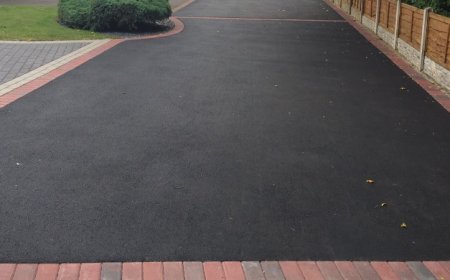
The Purbeck Hills Road is composed of a mix of tarmac, compacted chalk, and gravel. Chalk dust, especially after dry spells, creates a slick surface that reduces tire traction. After rain, the chalk turns to mud, particularly on steep gradients. If your wheels begin to spin on an incline, ease off the accelerator and let the vehicle roll back slightly before trying again.
Watch for washoutsareas where water runoff has eroded the road edge. These are common after heavy rain and can be hidden by tall grass. Stay centered in your lane and avoid hugging the verge.
Respect the Environment
The Purbeck Hills are part of an Area of Outstanding Natural Beauty (AONB). Littering, off-road driving, and disturbing wildlife are not just illegalthey destroy the very qualities that make this road special. Carry all trash with you. Do not pick wildflowers or remove stones. Stick to marked paths if you exit your vehicle.
Consider the noise pollution you create. Loud exhausts, revving engines, and blaring music disrupt the natural soundscape. Many visitors come for the silencethe birdsong, the wind, the distant chime of a church bell. Be part of preserving that.
Know Your Limits
If you feel fatigued, anxious, or overwhelmed, pull over. There are quiet laybys and picnic spots where you can rest. Driving this road requires mental stamina. If youre unfamiliar with winding roads, practice on less challenging routes first. There is no shame in turning back.
Do not drive if youre under the influence of alcohol, medication, or fatigue. The consequences of an accident here are severeemergency services can take over 30 minutes to reach remote sections.
Carry Essentials
Even on a short trip, pack the following:
- A fully charged mobile phone (even if signal is poor, emergency calls may still go through)
- A first-aid kit
- Water and non-perishable snacks
- A flashlight or headlamp
- A spare tire and jack (check condition before departure)
- A reflective warning triangle
- A physical map as backup
These items are not optionalthey are insurance against the unexpected.
Tools and Resources
Recommended Navigation Apps
While GPS is invaluable, not all apps handle rural roads well. Use these trusted tools:
- Ordnance Survey Maps App Offers 1:25,000 scale topographic maps, perfect for tracing footpaths and road gradients.
- ViewRanger Allows offline map downloads and includes user-uploaded routes from local drivers.
- Google Maps (Offline Mode) Download the Purbeck region in advance. Use Driving mode and disable traffic updates to avoid rerouting suggestions that lead to unsuitable lanes.
- Windy.com For real-time wind, fog, and precipitation forecasts specific to the Purbeck Hills elevation.
Vehicle Preparation Checklist
Before setting out, perform this quick inspection:
- Check tire pressure and tread depth
- Ensure all lights are functioning (including brake lights)
- Top up windshield washer fluid (chalk dust clogs nozzles quickly)
- Verify brake fluid level and condition
- Confirm spare tire is inflated and accessible
- Test the horn and hazard lights
Local Weather and Road Condition Sources
Monitor these official sources for real-time updates:
- Met Office Provides localized forecasts for Dorset, including hilltop wind speeds and fog predictions.
- Dorset Council Highways Updates on road closures, maintenance, and weather-related advisories.
- Highways England Though primarily for motorways, their regional alerts sometimes include A and B roads affected by weather.
Photography and Scenic Spot Guides
For those capturing the journey, these resources pinpoint the best photo opportunities:
- Purbeck Hills Photography Guide (Dorset Wildlife Trust) A downloadable PDF with exact GPS coordinates of sunrise/sunset viewpoints.
- Geograph Project A crowdsourced archive of photographs taken along every mile of the road, showing seasonal changes.
- Instagram hashtags Search
PurbeckHillsDrive, #SwanageToCorfe, and #DorsetRoadTrip for real-time user photos and tips.
Community Forums and Local Knowledge
Engage with local communities for insider tips:
- Dorset Road User Forum A moderated group where drivers share recent conditions, animal sightings, and road hazards.
- Facebook Groups: Purbeck Walkers and Drivers Residents post updates on livestock movements, fallen trees, and temporary closures.
- Local Visitor Centers Swanage, Corfe Castle, and Wareham all have information points with printed maps and driver advisories.
Real Examples
Example 1: The First-Time Visitor
Emma, a 28-year-old photographer from London, planned a weekend trip to capture the Purbeck Hills at sunrise. She rented a compact SUV and loaded her gear the night before. Using the OS Maps app, she plotted a route from Swanage to Worth Matravers, arriving at 6:15 AM. She avoided the main tourist route via the A35 and instead took the quieter B3351.
At the first bend near Norden, she encountered a slow-moving tractor. Instead of attempting to pass, she pulled into a designated layby and waited. The farmer waved gratefully. She stopped at the viewpoint at Worth Matravers, where the morning mist was lifting over the chalk ridges, revealing a landscape bathed in soft amber light. She captured 47 images before continuing.
On the descent toward Corfe Castle, she noticed fog rolling in. She slowed to 25 mph, turned on her fog lights (not high beams), and maintained a steady speed. She arrived at her accommodation with time to spare, energized and inspirednot stressed.
Example 2: The Experienced Motorcyclist
David, a 52-year-old motorcyclist with 30 years of riding experience, rides the Purbeck Hills Road weekly. He owns a BMW R1250GS and uses the road to test his skills and connect with nature. He never rides with a passenger on this route, citing the need for full control.
He always checks the weather and road conditions on Dorset Councils site before leaving. He avoids riding in rain and prefers early Tuesday mornings for solitude. He uses a GPS tracker that logs his route and shares it with a friend for safety.
One winter morning, he encountered a fallen tree blocking the road near Kingston. He stopped, assessed the situation, and used his phone to call the councils emergency number. While waiting, he photographed the scenesnow dusting the trees branches against the pale chalk. He later shared the image online, raising awareness about tree maintenance on rural roads.
Example 3: The Family Road Trip
The Patel family from Birmingham took their 7-year-old daughter on a summer holiday to Dorset. They rented a 7-seater MPV and planned a two-day itinerary including the Purbeck Hills Road. They left Swanage at 9:00 AM, avoiding the morning rush.
They made frequent stops at viewpoints, allowing their daughter to explore short, safe trails. They brought snacks, books, and a portable speaker with nature sounds to keep her engaged. They never rushed, even when other drivers honked.
At Corfe Castle, they parked in the official lot and walked to the ruins. Their daughter asked why the road was so twisty. They explained how the road followed the shape of the hills, shaped by millions of years of erosion. It became a lesson in geology and respect for nature.
FAQs
Is the Purbeck Hills Road dangerous?
It can be if approached carelessly. The roads narrow lanes, blind curves, and elevation changes require focused driving. However, with proper preparation, moderate speed, and awareness, it is as safe as any rural road in the UK. Most accidents occur due to speeding, distraction, or poor tire conditionnot the road itself.
Can I drive it in a convertible?
Yes, but with caution. Convertibles are more susceptible to wind gusts on exposed ridges. Ensure the roof is secure, and avoid driving in high winds or rain. The open-air experience is wonderful, but prioritize safety over spectacle.
Are there speed cameras on the Purbeck Hills Road?
There are no fixed speed cameras, but mobile units are occasionally deployed, particularly near villages and accident blackspots. The absence of cameras does not mean speed limits are unenforced. Police patrols are common, especially on weekends.
Whats the best time of year to drive this road?
Spring (AprilMay) and early autumn (Septemberearly October) offer the best conditions: mild weather, fewer tourists, and vibrant landscapes. Summer is busy but offers long daylight hours. Winter is dramatic but risky due to fog and ice.
Can I cycle the Purbeck Hills Road?
Yes, and many do. Cyclists are common, especially on weekdays. Drivers should give at least 1.5 meters of clearance and avoid overtaking on blind bends. Cyclists should wear helmets, use lights, and ride single file when traffic is present.
Are there any tolls or fees to drive the road?
No. The Purbeck Hills Road is entirely free to use. Parking at official viewpoints is also free, though some car parks may charge a small fee during peak season.
What should I do if my car breaks down?
Pull over as far off the road as possible, turn on hazard lights, and exit the vehicle from the passenger side if safe. Use your warning triangle. Call for assistance using your mobile phone. Emergency services are dispatched from Wareham or Poole, and response times vary from 15 to 45 minutes depending on location.
Can I drive this road in an electric vehicle?
Absolutely. Many EV owners use this route. Charging points are available in Swanage, Corfe Castle, and Wareham. Plan your charge stops using Zap-Map. Regenerative braking is helpful on descents, but avoid rapid acceleration on steep climbs to preserve battery life.
Conclusion
Driving the Purbeck Hills Road is not a task to be completedit is an experience to be lived. It is a road that rewards patience, demands respect, and offers beauty in its most unfiltered form. Whether youre drawn by the geology, the solitude, the challenge of the curves, or the quiet majesty of the landscape, this journey will leave a lasting impression.
By following the steps outlined in this guideplanning ahead, driving defensively, respecting the environment, and embracing the rhythm of the hillsyou transform a simple drive into a meaningful pilgrimage through one of Englands most cherished landscapes.
There are no shortcuts here. No quick fixes. No rush. Just the road, the wind, the light, and the landunchanged for centuries, waiting for you to slow down, look up, and drive with purpose.
So when you next find yourself at the foot of the Purbeck Hills, take a breath. Turn the key. And begin your journeynot as a driver, but as a visitor to a place that has welcomed travelers for millennia.